Notion to iPhone app
Turn your Notion site into a real iPhone app
Borel turns a Notion site into a native iPhone app. Paste your published Notion page's address: Borel photographs its first screen, takes the title, look and visible entries from that picture and your screenshots, and writes an app in Swift with SwiftUI, with lists, detail screens and accounts in place of a web page. Try it on a live iOS Simulator, then publish it to the App Store.
Updated
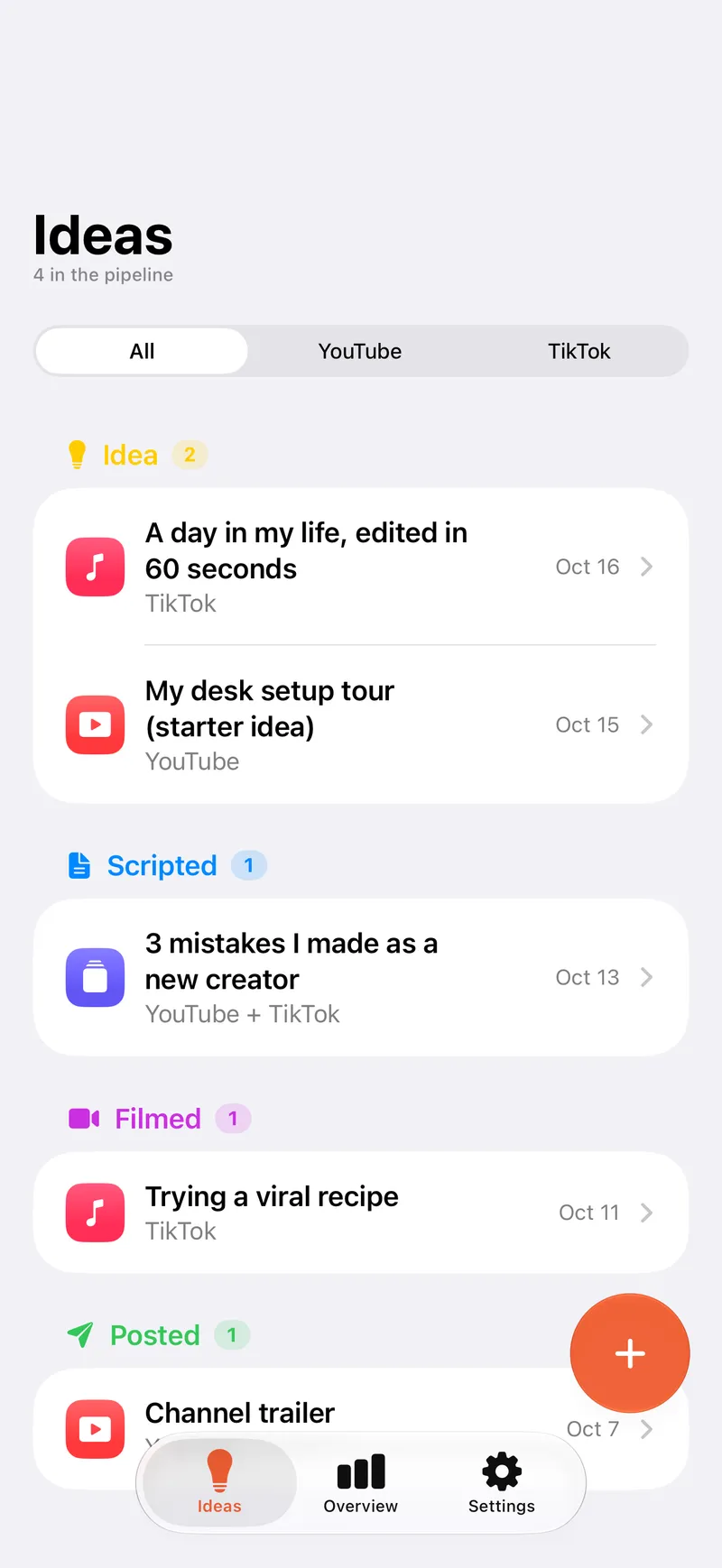
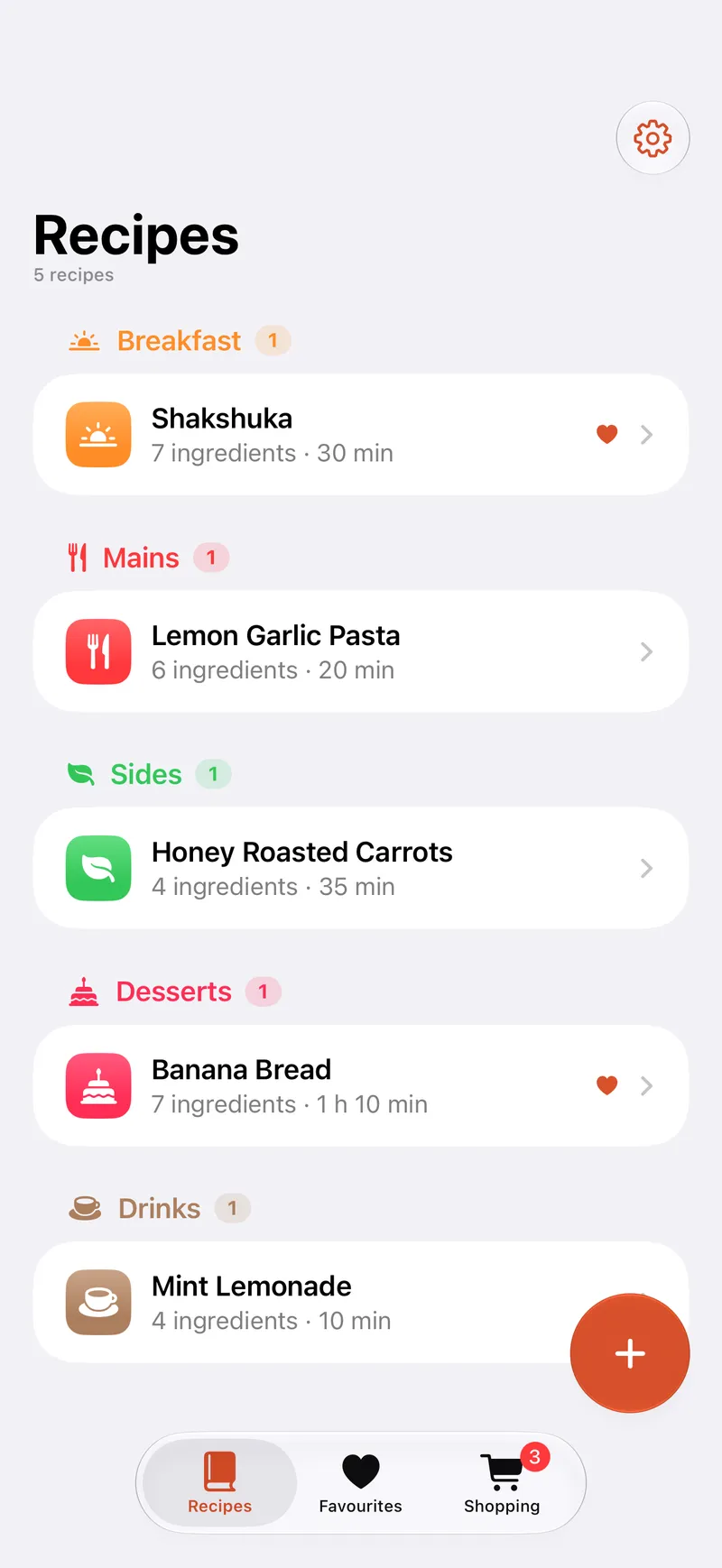
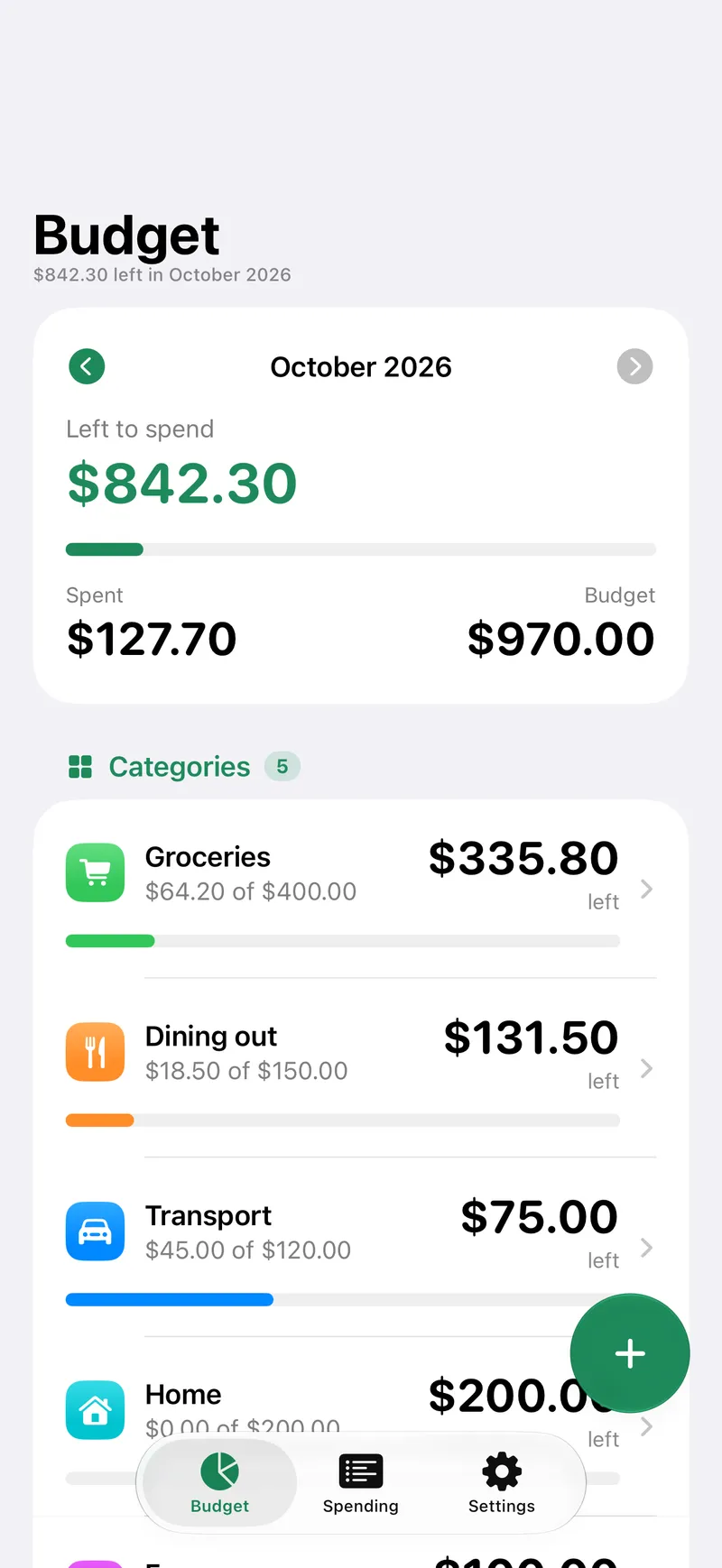
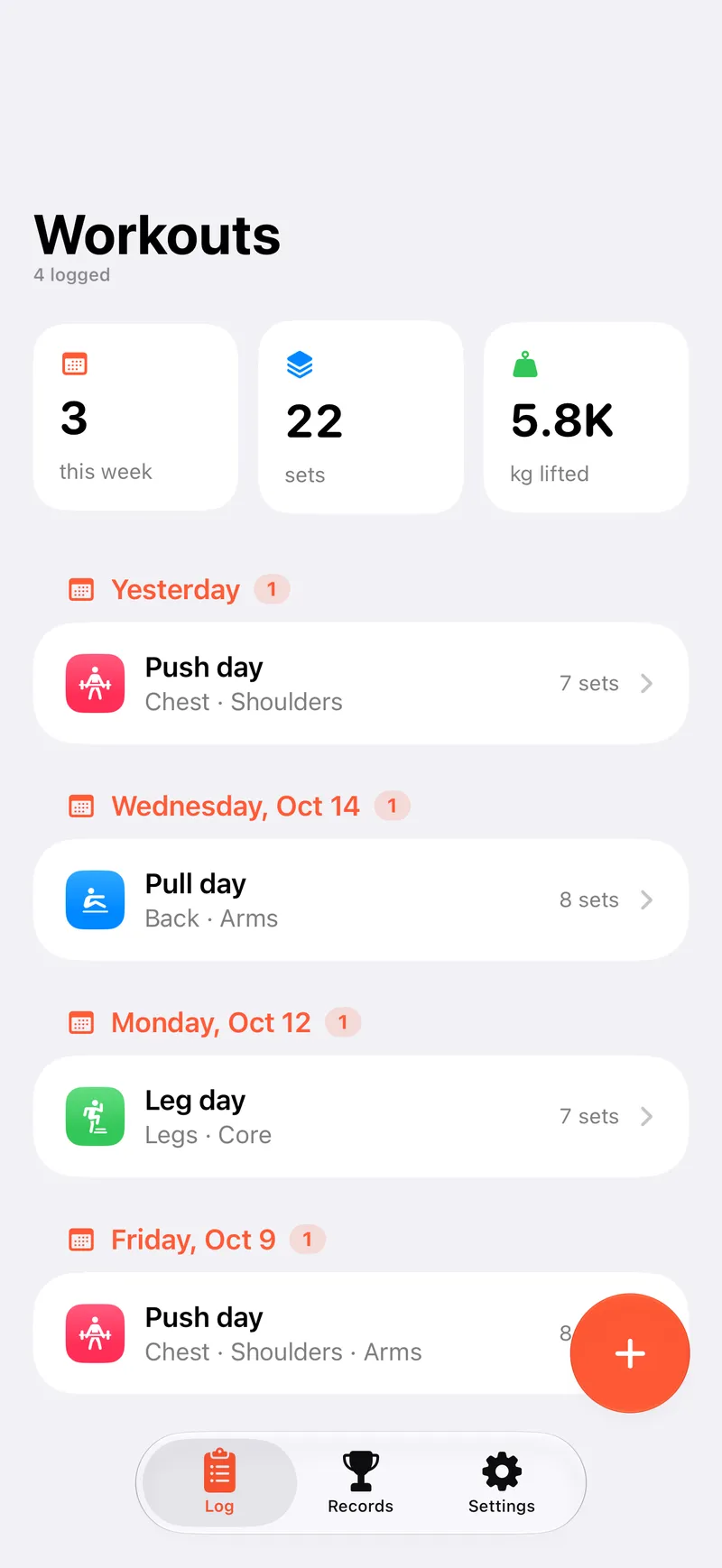
Native apps built by Borel, in the iOS Simulator.
Notion
What does Notion make?
Any page you build in Notion can be published as a Notion Site from the Share menu. The site lives on a notion.site domain, or on a domain of your own that you connect.
Notion's own guide lists company websites, team blogs, resumes, portfolios and help centres as things people publish this way. Whatever you edit in the page shows up on the site automatically.
The iPhone question
Isn't the Notion app already on the iPhone?
It is, for you. Notion presents its app as a way to work on the go, on iOS and Android, inside your own workspace. A Notion Site is a web address visitors open in a browser.
Notion's publishing help covers the Share menu, domains and search indexing, and nothing in it turns a site into an App Store app. A published page inside an app frame would be the repackaged website of Apple's guideline 4.2. The useful move is to take what the page is for, a directory, a guide, a catalogue, and build that as an app.
Apple's rule
Why a rebuild beats a wrapper
Apple reviews every app before it reaches the App Store, and a website in an app's frame is what its guideline 4.2 is about.
“Your app should include features, content, and UI that elevate it beyond a repackaged website. If your app is not particularly useful, unique, or “app-like,” it doesn’t belong on the App Store.”
Borel never wraps your Notion site. It writes a separate app in Swift with SwiftUI, Apple’s own language and interface framework, so the screens, scrolling and controls are the iPhone’s.
Step by step
How to turn your Notion site into an iPhone app
- 1
Publish the page, copy the link
Use the address of the published site, on notion.site or your domain, with https:// first. A page that is only shared inside your workspace is invisible to Borel.
- 2
Explain what the page is for
Send the prompt below and name the database or list that matters. For views that don't fit on one screen, attach screenshots, up to four in a message.
- 3
Blocks become native screens
Borel photographs the first screen at iPhone and desktop size, takes the title and visible entries from that picture and your screenshots, and turns a database into a SwiftUI list with a detail screen for each entry.
- 4
Open it on a simulated iPhone
The iOS Simulator streams the app to your browser, free. When you want it in your pocket, Borel Companion, on Pro, installs it on your iPhone.
- 5
Publish it
On Pro, with Apple's Developer Program, Borel builds and signs the app and uploads it to App Store Connect. The Notion page stays published.
Just for you? Skip step 5: personal apps need no App Store.
Your first message
A prompt to start from
Put your address where it says, fill in the brackets, and send it as your first message.
Make a native iPhone app from my Notion site at <your address>. Keep its title, wording and tone. Turn [the database or list on the page] into a list with a detail screen, make [sections] the tabs, and let people save [items] to an account made with email.
Moving over
What moves over, and what is made new
Borel works from what your app shows, the screenshots you add and the words you write. It doesn't copy code or accounts out of another platform.
| In your Notion site | In the iPhone app |
|---|---|
| Title and wording | Moves over. Taken from the photograph of the first screen and your screenshots; longer text you paste in the chat. |
| Items a database view shows | Moves over. The entries visible in the photograph and your screenshots become the app's starting entries. |
| Page structure | Moves over. Sections and sub-pages you name become tabs and screens. |
| Notion databases | Made new. Not connected. The entries Borel sees are written into the app, and what people add themselves goes into tables in Borel's cloud. |
| Live updates from Notion | Made new. Not carried over. An edit in Notion changes the site, and the app changes when you ask Borel in the chat. |
| Workspace members and permissions | Made new. People sign up in the app with email and password. A table is private to whoever made the row or open for everyone to read; one only your team sees isn't possible yet. |
| Your Notion page and site | Stays. Edited in Notion and published as before. |
Frequently asked questions
No. Notion updates the published site by itself, but the iPhone app is separate, with its content written in when Borel builds it. After a larger edit, send Borel fresh screenshots and ask it to update the app.
No. Borel doesn't sign in to Notion or read a workspace. It photographs the published page as any visitor would see it, and works from that picture, your screenshots and your description.
Borel writes the entries it can see into the app as starting content, in the shape you describe. Rows that people add in the app go to a table in Borel's cloud. The original stays in Notion.
Because that is a web page in a frame, and Apple's review asks for more than a repackaged website. A rebuilt app has native lists and detail screens, saved items and accounts of its own.
Yes. Borel Companion, on Pro, keeps an app on your own iPhone with a free Apple ID, without the App Store.
Paste your Notion site
See your page as a native iPhone app with lists, saved items and sign-in.