App business
Build an iPhone app business with Borel
Borel is the easiest way to build a real native iPhone app and grow it into a business. Describe the app, and Borel builds in sign-in, a place to keep your users' data, AI features and subscriptions with a paywall. On Pro, with Apple's Developer Program, it publishes the app to the App Store and takes it through to Apple's review.
Updated
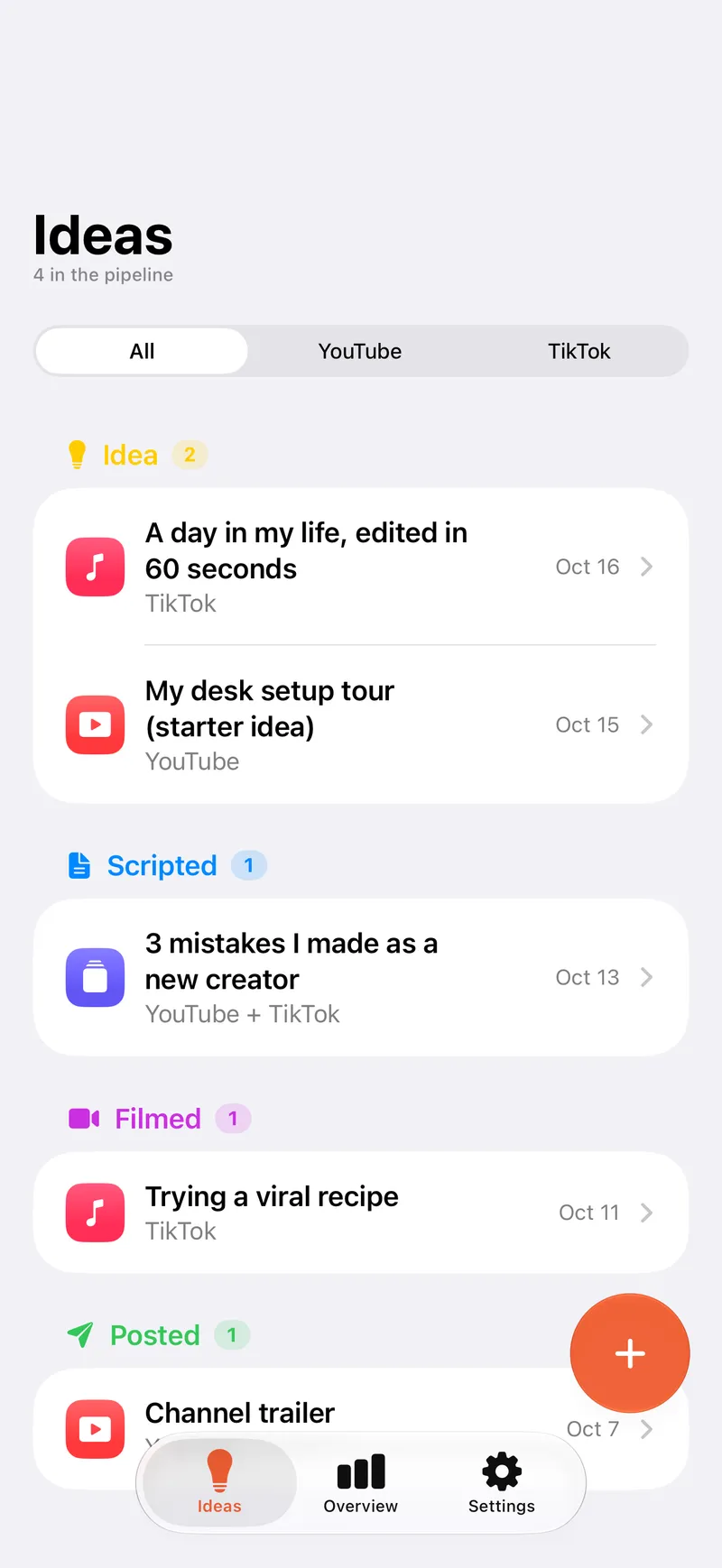
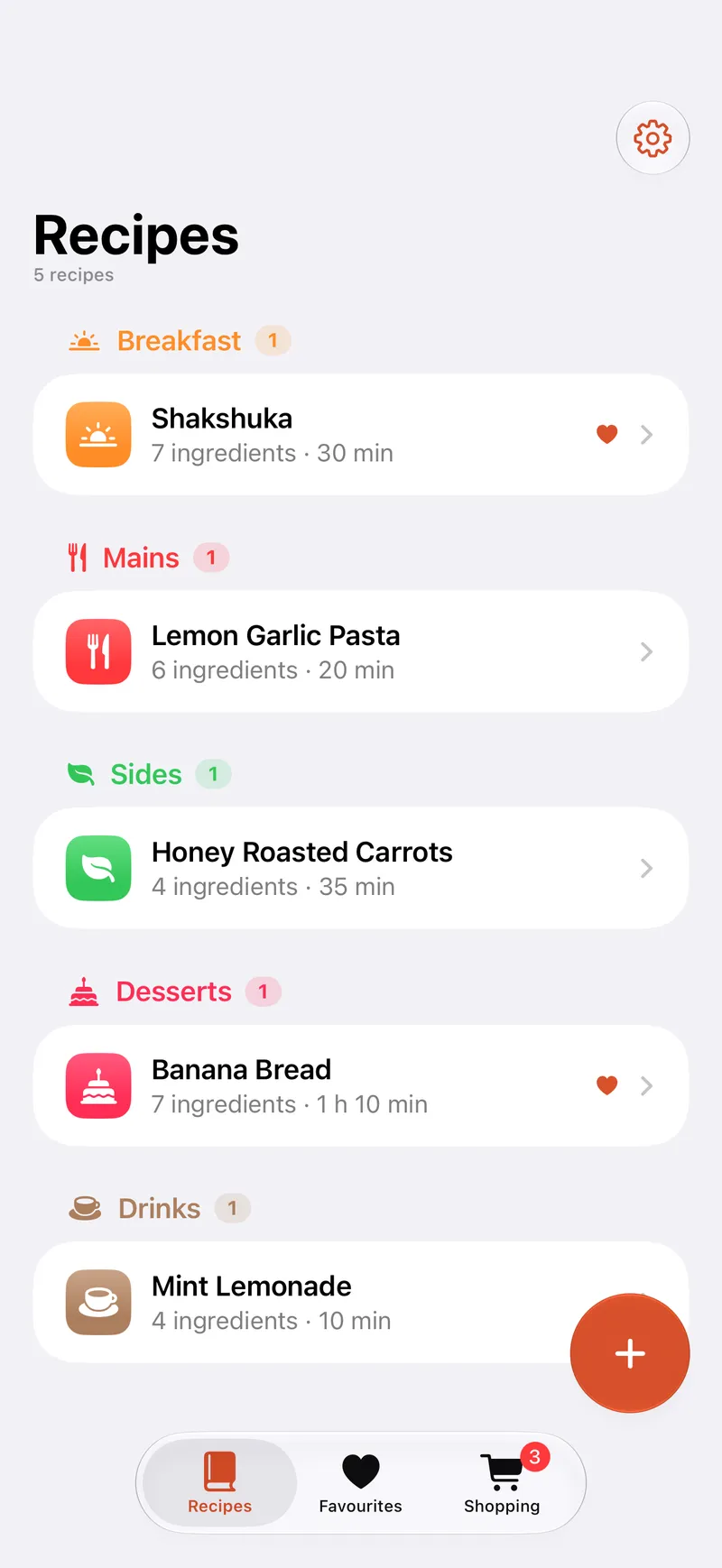
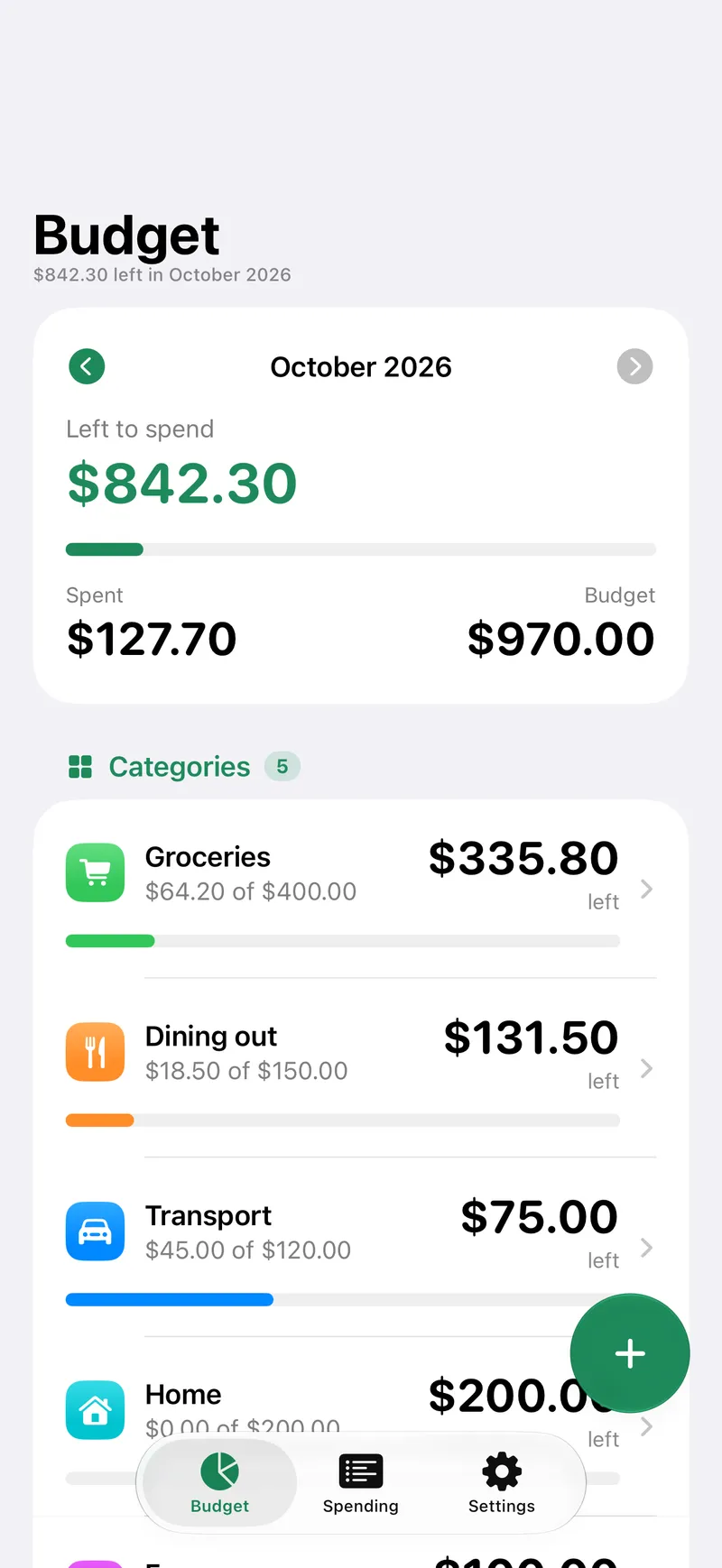
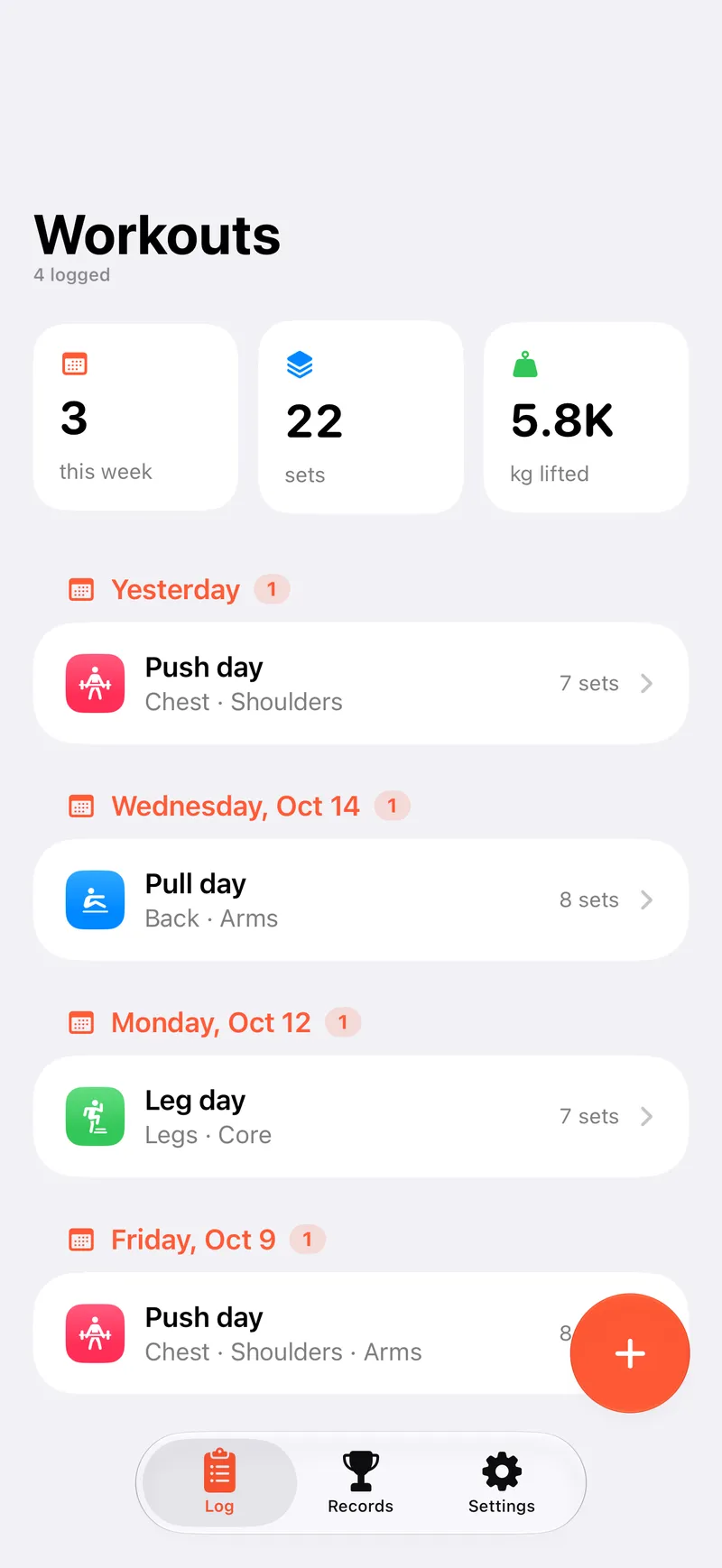
Apps built by Borel, in the iOS Simulator.
How it works
From an idea to the App Store, in three steps
- 1
Describe it
Say what the app does and what people pay for. Borel writes it in Swift, with sign-in, data and AI wired in, and runs it on a live iPhone in your browser.
- 2
Add a paid plan
Press Add payment, name the plan, pick how often it bills and set a price. Borel writes the paywall, with Apple's price and Restore Purchases.
- 3
Publish it
On Pro, Publish builds, signs and uploads the app from Borel's Mac, and you send it to App Review. Apple takes the payments and pays you directly.
Built in
What does an app business need?
Most of what turns an app into a business repeats from one app to the next: people sign in, their data is kept safe, the app often uses AI, someone pays for it, and Apple approves it. Borel builds each part into your app when you ask for it, with no server to run and no keys to paste.
Each part has a page of its own: accounts and a place to keep your users' data, AI chat and pictures in your app and in-app purchases. If the app is for a business you already run, Borel for small businesses has ideas with prompts, Borel for founders is for testing a new idea with a real app, and how to make an app for your business walks through the choices.
Sign-in and accounts
Sign-up and sign-in with email and password, a confirmation code, password reset, signing out, and the Delete account option Apple asks for.
A place to keep your users' data
A cloud database of the app's own, which Borel runs, where what each person saves stays theirs and follows them to their other devices, plus storage for the photos and files they add.
AI features
An assistant people chat with, writing, answers from the web and pictures made from words, on Borel's AI with no API key. The app asks each person before it first uses the AI.
Subscriptions and unlocks
Apple's In-App Purchase, with a ready paywall that shows Apple's price, the renewal terms and Restore Purchases.
App Store publishing
Borel sets the app up at Apple, builds and signs it on its own Mac and uploads it, from Windows or a Mac, and you send it for review from the same window.
A check before Apple's review
Stamp builds this version of your app on Borel's Mac, opens it, and reads it for what Apple most often turns first apps down for.
What it takes
What comes with Pro, and what needs Apple's Developer Program?
Building starts free: the free plan gives 5 free credits a day, up to 30 a month, and the live iPhone in your browser is free on every plan. Pro, from $25 a month, adds publishing to the App Store and selling in your app. Apple's Developer Program, $99 a year paid to Apple, is what puts the app on the App Store under your own name or your company's.
Running the app is paid separately: its cloud and AI come out of a balance in dollars, which you top up, and they pause at $0 until you add funds. Borel takes none of what your app earns.
| To do this | On Borel | At Apple |
|---|---|---|
| Build the app and try it on a live iPhone in your browser | Any plan, the free one included | Nothing |
| Put it on your own iPhone with Borel Companion | Pro | A free Apple ID |
| Publish it to the App Store | Pro | The Developer Program, $99 a year |
| Sell subscriptions and unlocks | Pro | The Developer Program; Apple keeps 15% or 30% of each sale |
| Run its cloud and AI for the people who use it | Your balance, on any plan | Nothing |
App Review
How does an app get through Apple's review?
Apple reviews every app before it goes on the App Store, against its App Store Review Guidelines. First apps are often sent back for something small, like a missing Delete account option, a paywall that hides its renewal terms or a screen that still says coming soon, and every try waits for another review.
When an app has accounts or sells something, Borel builds in what Apple asks for: Delete account in the app's settings, a privacy policy people can open in the app, and Restore Purchases and the renewal terms under every paywall. Before you send it, Stamp checks your app for Apple against the rules first apps are most often turned down for, and Fix this hands what he finds to Rivet. Stamp lowers the chance of a rejection; only Apple decides.
Publish your iPhone app to the App Store walks through every step. The guideline pages explain the ones that matter most for a paid app: 3.1.1 In-App Purchase, 3.1.2 Subscriptions, 2.1 App Completeness and 5.1.1(v) account deletion. Then read why App Store apps get rejected, whether Apple accepts AI-generated apps, whether your app needs a privacy policy, how long App Store review takes and how to appeal a rejection.
Making money
How does an iPhone app make money?
Apple asks that anything digital people pay for inside an app, like a subscription, premium features or a full version, is sold through its In-App Purchase. Borel builds that for you: a subscription that renews weekly, monthly, every 2, 3 or 6 months or yearly, or a one-time unlock that people keep.
Apple keeps 15% of each sale in its App Store Small Business Program, for developers new to the App Store or with up to 1 million US dollars in proceeds the previous calendar year. Otherwise it keeps 30%, and 15% on a subscription after each subscriber's first year. Borel takes none of it, and the rest goes straight from Apple to you. Subscriptions and paywalls in your iPhone app has the details, and the App revenue calculator estimates a subscription's first year from your own guesses.
For the choices around it, read how to make money from an iPhone app, the iOS in-app purchase types, free trial or pay upfront, how much Apple takes from app sales, how to add payments to an iPhone app and how to add in-app purchases to an iPhone app. Borel's docs have the same in Make money with your app.
At Apple
What do you set up at Apple?
A membership in Apple's Developer Program, which puts the app on the App Store under your name. What the Apple Developer Program includes, how to enroll in it and whether to join as an individual or an organization take it step by step. To sell, you also accept Apple's Paid Apps agreement and add your bank details in App Store Connect.
The rest happens from Borel. When you sign in to Apple from Publish, Borel sets your app up there. It creates the products you sell before it builds the app, and it writes the notes Apple's reviewer reads. App Store Connect explained and TestFlight explained cover what you'll see on Apple's side, and the App Store submission checklist lists what Apple looks at.
None of it takes a Mac of your own. Publishing to the App Store without a Mac, TestFlight without a Mac, the guide to publishing from Windows and uploading an IPA to App Store Connect from Windows show the ways, and Apple's Xcode 26 upload rule says what every build has to be made with.
Costs
What does an app business cost to start?
Three things: Borel's Pro plan, from $25 a month, Apple's Developer Program at $99 a year, and what the app's cloud and AI cost as people use them, paid from your balance. The App Store build itself, made and signed on Borel's Mac, is free.
For the numbers around it, see what an iPhone app costs to make, what it costs to publish an app on the App Store and what an iPhone app costs to maintain, or try the app cost calculator. Every plan is on the pricing page.
After the App Store
How do people find your app?
Through an App Store page that tells them what the app does: App Store optimization for beginners covers the name, subtitle and keywords, with the screenshot sizes Apple asks for, how to choose a category, the age rating and how to get App Store ratings.
Then the work of getting it seen: a 30-day plan for releasing an iPhone app, how to promote an app with no budget and how to update an app on the App Store, which on Borel is a message in the chat and Publish again.
Choose Borel if…
- You want to sell an iPhone app, not only build one.
- You want sign-in, data and AI in it without setting up a server.
- You want subscriptions written for you on Apple's In-App Purchase.
- You want the App Store version built, signed and uploaded for you, from Windows or a Mac.
- You want your app checked for common rejections before Apple's review.
Frequently asked questions
Yes. Borel builds the app in native Swift with sign-in, a place to keep your users' data, AI and in-app purchases, and on Pro it publishes the app to the App Store under your own Apple developer account. Apple takes the payments and pays you directly.
Nothing. Apple keeps its commission on each sale, 15% or 30%, and pays the rest into your developer account. You pay Borel for your plan, and for the app's cloud and AI from your balance.
Building the app and trying it on a live iPhone in your browser start free, with 5 free credits a day, up to 30 a month. Pro, from $25 a month, adds publishing to the App Store and selling in your app; installing on your own iPhone comes with Pro.
Its cloud and AI are paid from a separate balance in dollars, which you top up on any plan. They pause at $0 until you add funds, so set a price above what a busy subscriber costs you.
Only Apple decides. Borel builds in what Apple asks of apps with accounts and purchases, and Stamp checks yours for what Apple most often turns first apps down for, which lowers the chance of a rejection but never promises approval.
Yes. It's published under your own App Store Connect account, what it earns goes from Apple to you, and you can download its SwiftUI code at any time.
Yes. Build and try the whole app on the free plan, paywall included, and move to Pro, from $25 a month, when you're ready to publish. Upgrade or downgrade any time.
Start your app business today
Describe the app in a sentence and watch it run on a live iPhone in your browser, free.