Shopify to iPhone app
Turn your Shopify store into a real iPhone app
Borel turns a Shopify store into a native iPhone app in Swift. Paste your store's address, and Borel reads that page and one shop page it links to: the name, colours, logo and a handful of the products shown. It photographs the home page and builds screens for browsing and saving. Orders and payments stay in Shopify. Try it on a live iOS Simulator, then publish to the App Store.
Updated
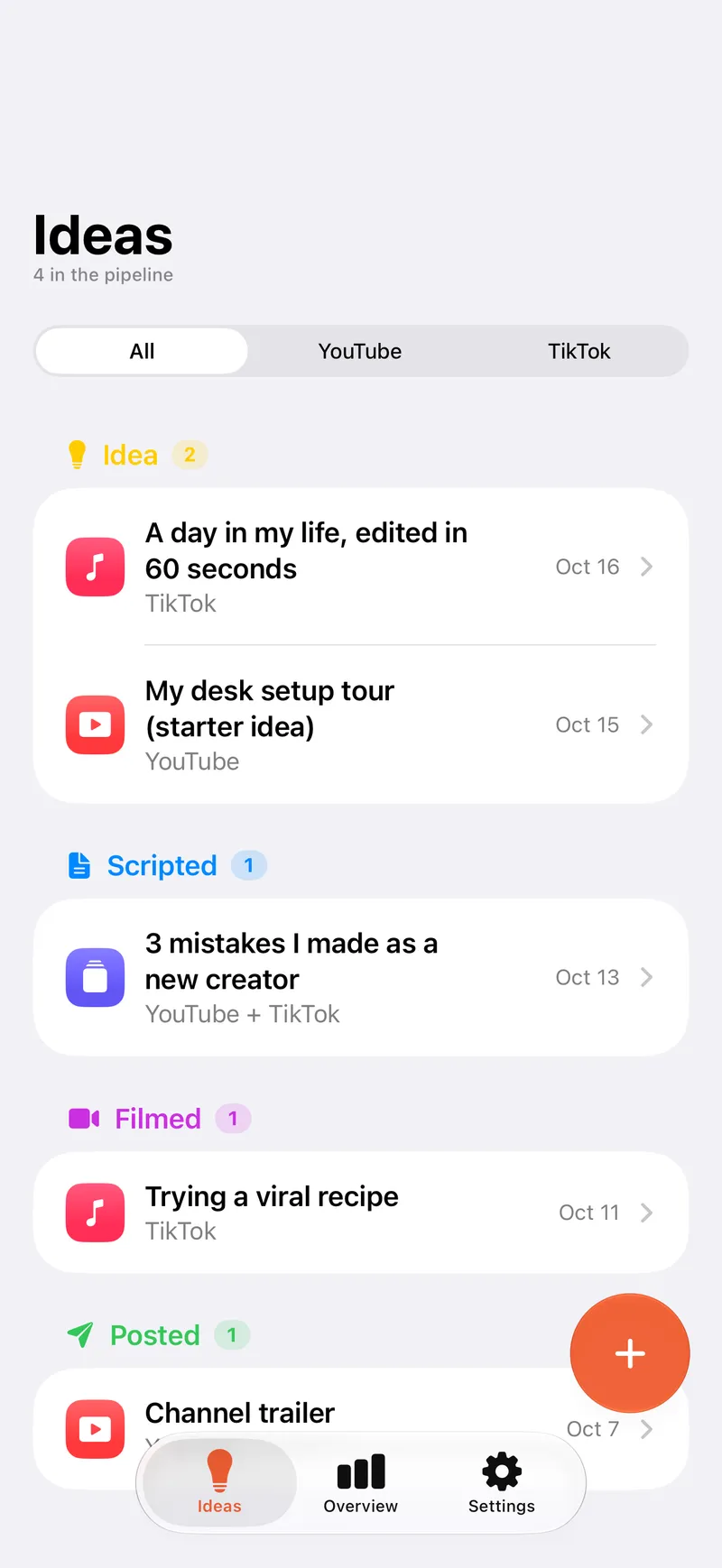
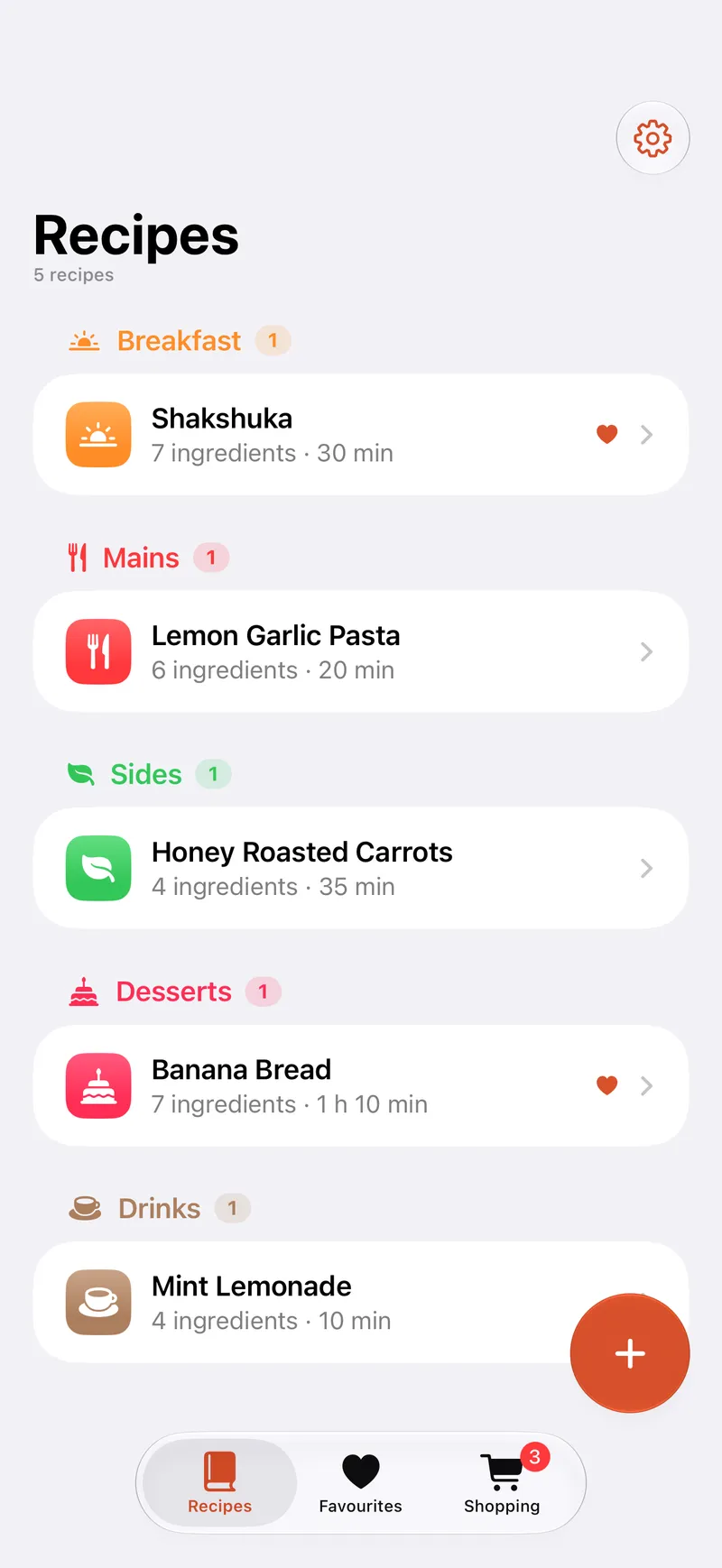
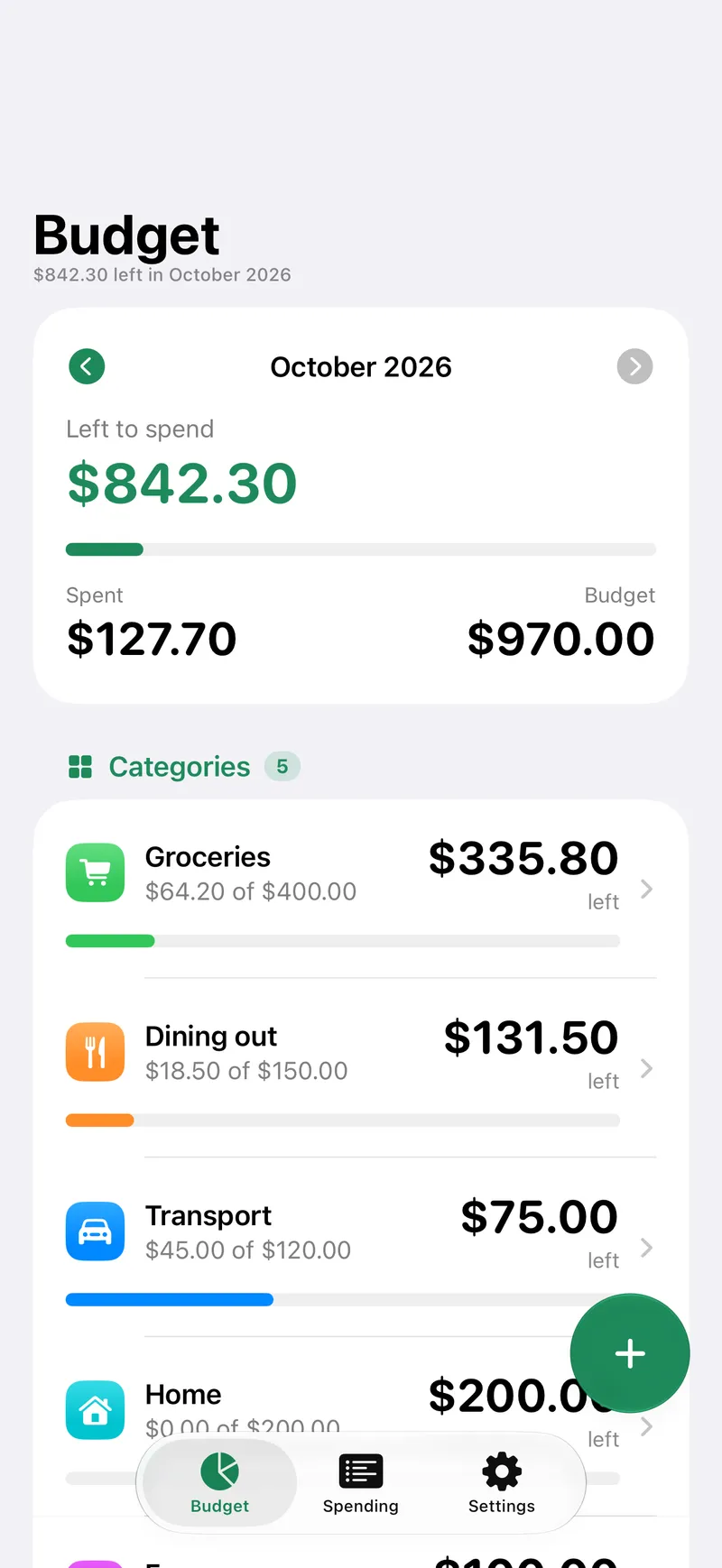
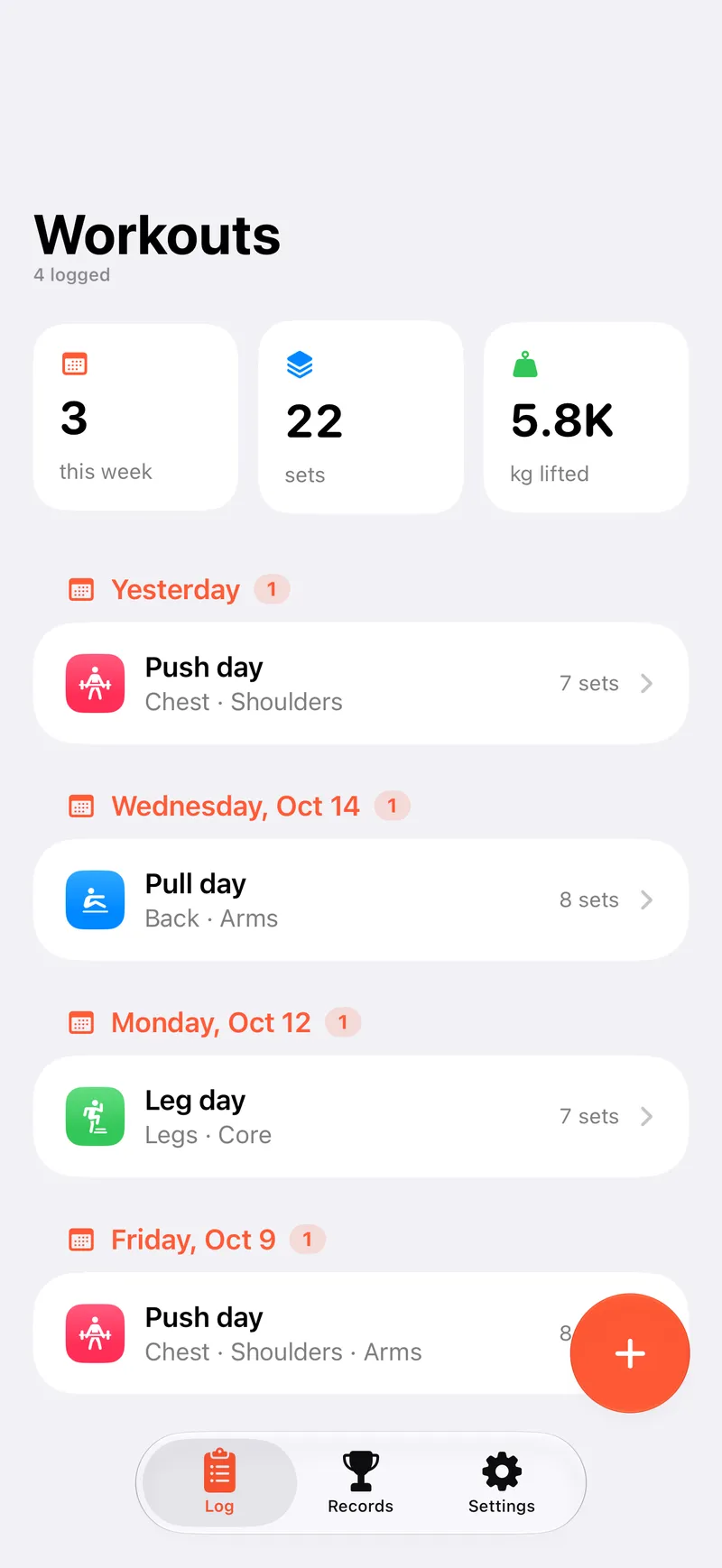
Native apps built by Borel, in the iOS Simulator.
Shopify
What does Shopify make?
Shopify runs online stores. Yours was given a myshopify.com address when you signed up, and a custom domain changes the address your customers see.
On a phone, customers meet the store in a browser, or in Shop, which Shopify's help centre describes as a shopping destination and delivery tracking app for iOS and Android. A store that meets Shop's merchant guidelines is listed there automatically.
The iPhone question
Doesn't Shopify already have an app for my store?
It has Shop, which is one app for many stores: your shop is a listing inside Shopify's app. For an app with your own name, the Shopify App Store has a category called Mobile app builder apps, described there as a way to reach customers with your own branded app.
Shopify's developer docs describe the hand-built route as well: an iOS app that shows products through the Storefront API and hands the cart to Checkout Kit, which presents Shopify's checkout. That takes a developer and an access token from your admin. Borel is a third path, and a separate one: it never connects to your Shopify admin, and it writes an app in Swift from the storefront page you paste and what you describe.
Apple's rule
Why a rebuild beats a wrapper
Apple reviews every app before it reaches the App Store, and a website in an app's frame is what its guideline 4.2 is about.
“Your app should include features, content, and UI that elevate it beyond a repackaged website. If your app is not particularly useful, unique, or “app-like,” it doesn’t belong on the App Store.”
Borel never wraps your Shopify store. It writes a separate app in Swift with SwiftUI, Apple’s own language and interface framework, so the screens, scrolling and controls are the iPhone’s.
Step by step
How to turn your Shopify store into an iPhone app
- 1
Copy your store's address
Your own domain or the myshopify.com one, in full with https://. Borel opens the storefront the way a shopper would, without signing in.
- 2
Say what regulars come back for
Send the prompt below. New arrivals, a wish list, lookbooks, care guides, store hours: name it. Add screenshots of a product page and a collection page, four per message.
- 3
A native shop window is built
Borel reads the page you paste and one shop page it links to: name, colours, logo and a handful of the products shown, with prices where the page prints them. The home page is photographed at phone and desktop size, and SwiftUI screens take the place of the theme.
- 4
Browse it on an iPhone
Tap through your collections in the iOS Simulator in your browser, free. Borel Companion, on Pro, installs the app on your own iPhone.
- 5
Publish under your shop's name
With Pro and Apple's Developer Program, Borel builds, signs and uploads the app to App Store Connect. Your Shopify store keeps taking the orders.
Just for you? Skip step 5: personal apps need no App Store.
Your first message
A prompt to start from
Put your address where it says, fill in the brackets, and send it as your first message.
Make a native iPhone app for my Shopify store at <your address>. Use our name, logo, colours and the products the page shows. Shoppers browse by [collections], open a product with its price and details, save favourites to an account made with email, and find [lookbook, care guides or store hours] on its own tab.
Moving over
What moves over, and what is made new
Borel works from what your app shows, the screenshots you add and the words you write. It doesn't copy code or accounts out of another platform.
| In your Shopify store | In the iPhone app |
|---|---|
| Brand | Moves over. Shop name, logo and colours, read from your storefront. |
| A handful of products | Moves over. About five of the products shown on the page you paste, or on the shop page it links to, start the catalogue. Product pages aren't opened. |
| Collections and menus | Moves over. The collections you name in your message become the app's tabs and sections. |
| Product photos | Made new. Only your logo is picked up. Attach the product pictures you want in the app to a message, four at a time. |
| The full catalogue and stock | Made new. Not imported from Shopify. The products Borel reads are written into the app as its starting catalogue. To add or change one, ask Borel in the chat. |
| Customer accounts | Made new. Shoppers make a new account in the app with email and password. |
| Shopify apps and theme code | Made new. Not used. What one of them does is rebuilt natively when you ask for it. |
| Checkout, payments and orders | Stays. Run by Shopify, in your admin, exactly as today. |
Frequently asked questions
No. Borel doesn't connect to your Shopify admin or read a product export. It reads a handful of the products shown on the page you paste and writes them into the app as a starting catalogue. The rest you give Borel in the chat.
Selling physical goods through the app isn't something Borel sets up, so orders and payments stay with your Shopify store. Digital extras, such as a subscription or a one-time unlock, can be sold with Apple's in-app purchases.
The things a browser tab does poorly: your products on the home screen, saved favourites, an account, and content regulars return to, like lookbooks or care guides. Apple also expects an app to be more than a repackaged website, so give it a job of its own.
Not on their own. The products are written into the app when Borel builds it, so a price you change in Shopify stays as it was in the app until you ask Borel in the chat to change it.
No. Those are apps you add to your store from Shopify's App Store. Borel is separate from Shopify: it writes a native app in Swift with SwiftUI from the storefront page you paste and your description, and the code is yours to download.
Paste your Shopify store
See your shop as a native iPhone app that your regulars keep on their home screen.