Next.js to iPhone app
Turn your Next.js app into a real iPhone app
Borel turns a Next.js app into a native iPhone app by writing a second front end for it in Swift and SwiftUI. Paste your deployed address, and Borel reads that page, photographs it and rebuilds the routes you list as iPhone screens. Your server keeps running where it is. You test the app on a live iOS Simulator and publish it to the App Store.
Updated
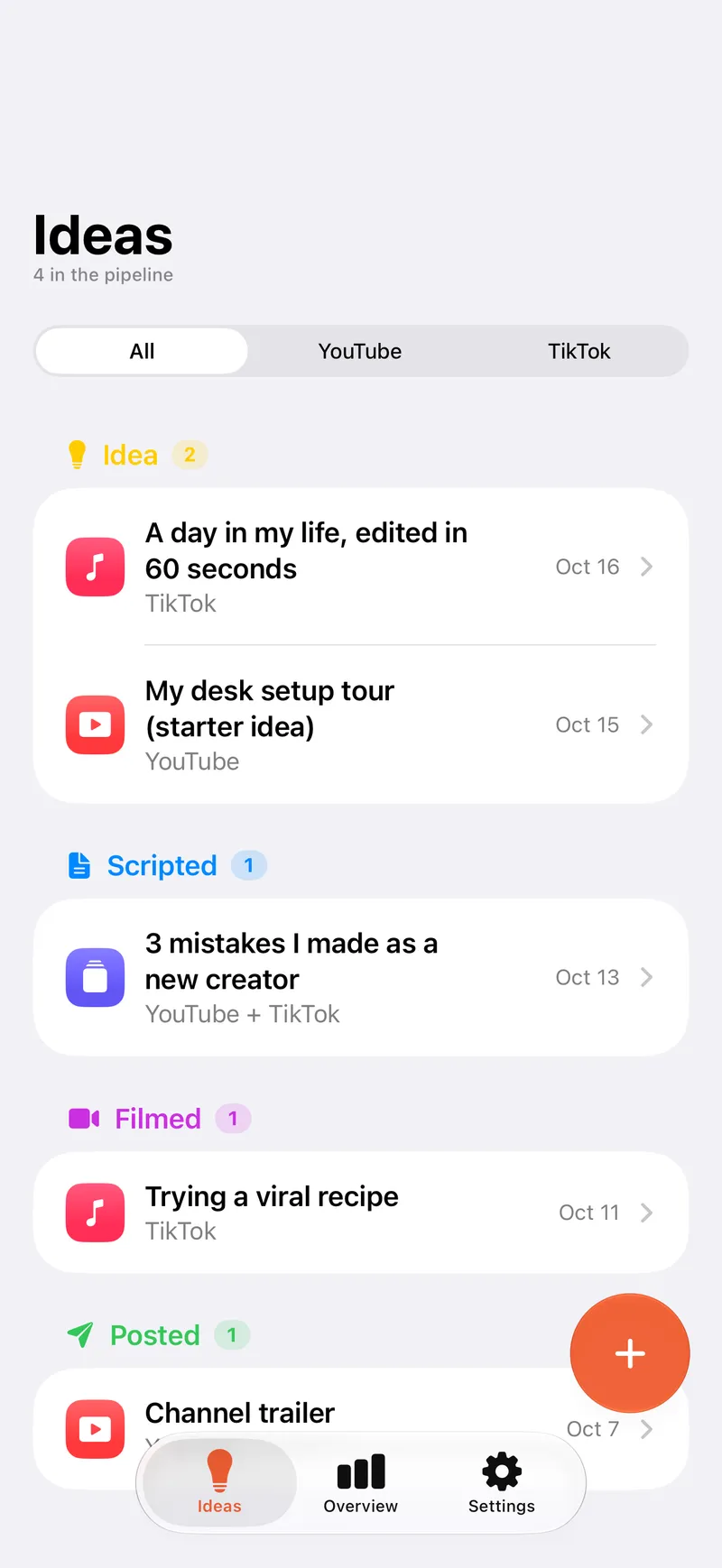
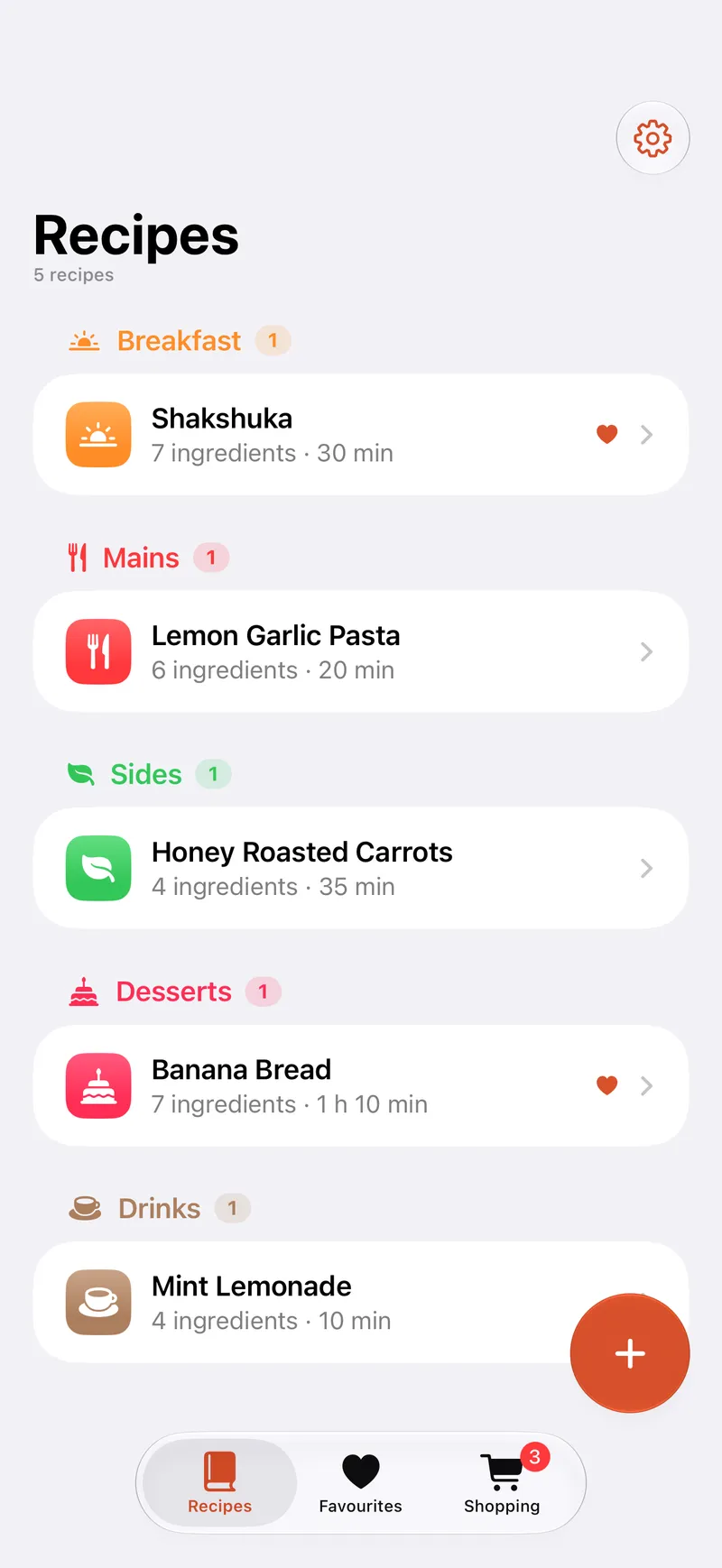
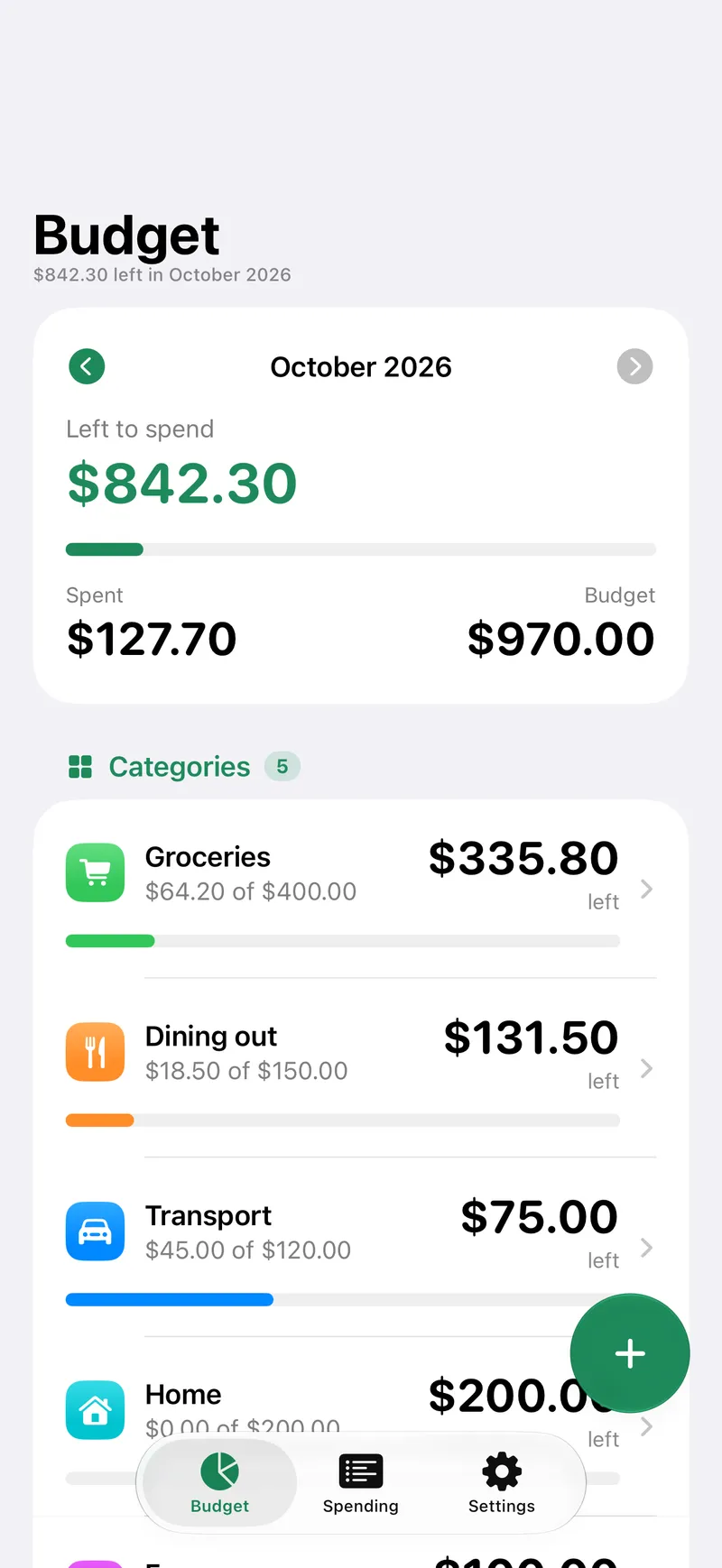
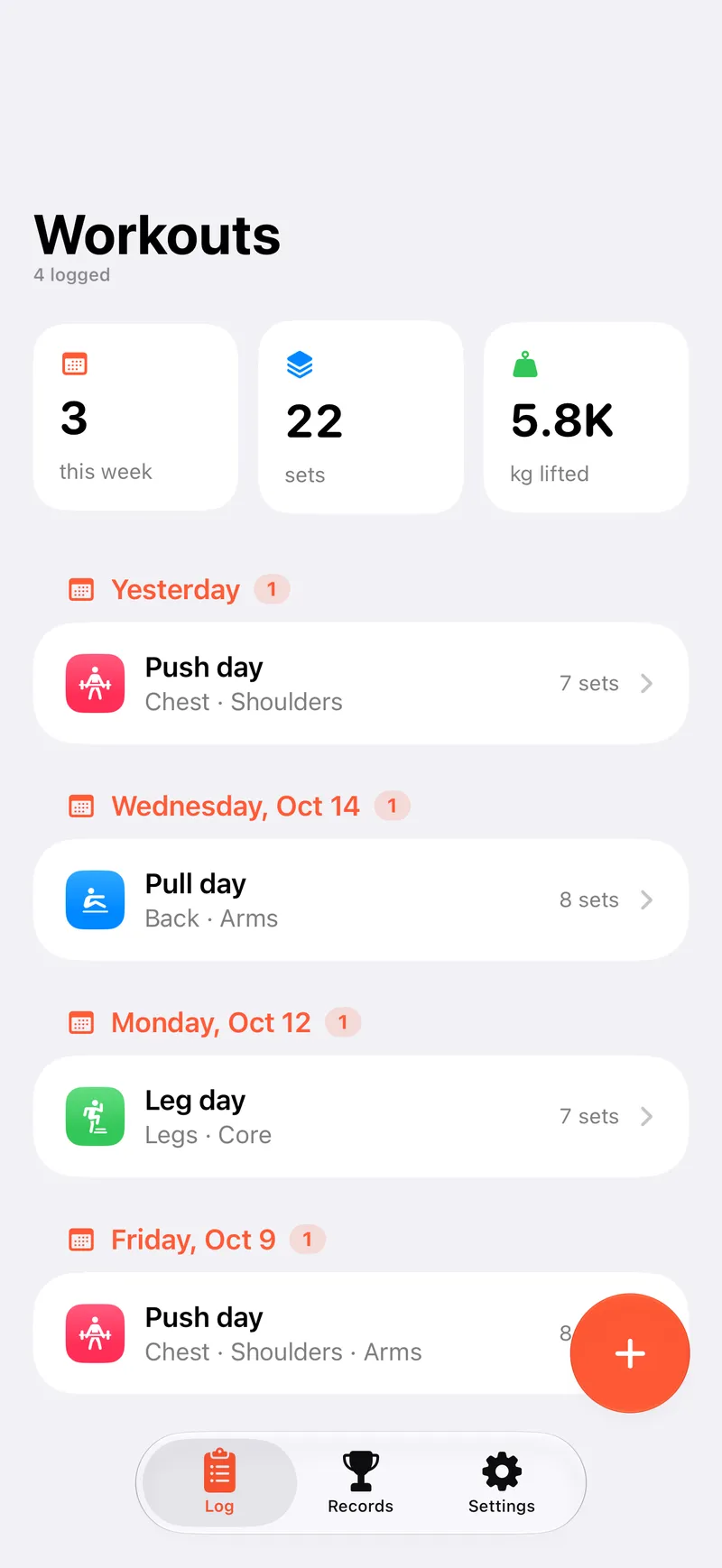
Native apps built by Borel, in the iOS Simulator.
Next.js
What is a Next.js app made of?
Next.js calls itself the React framework for the web. It is used to build full-stack web applications: you write React components for the interface, and Next.js provides the routing, rendering, data fetching and caching around them.
That makes a Next.js app two things at once: pages a browser draws, and server code those pages depend on. Only the first half is what a person sees, and neither half is written in a language an iPhone app is built from.
The iPhone question
Doesn't Next.js have a mobile story?
Its own docs offer one: a guide to turning a Next.js app into a progressive web app, described as an app-like experience without multiple codebases or app store approvals. On an iPhone, the guide's own example tells visitors to tap the share button and then Add to Home Screen, and it notes that a custom install button doesn't work in Safari on iOS.
A PWA installed from the browser isn't listed in the App Store. The other shortcut, your pages inside a web view, is what Apple's guideline 4.2 is wary of. An App Store app means a native front end, and Borel writes that part in SwiftUI while your server stays as it is.
Apple's rule
Why a rebuild beats a wrapper
Apple reviews every app before it reaches the App Store, and a website in an app's frame is what its guideline 4.2 is about.
“Your app should include features, content, and UI that elevate it beyond a repackaged website. If your app is not particularly useful, unique, or “app-like,” it doesn’t belong on the App Store.”
Borel never wraps your Next.js app. It writes a separate app in Swift with SwiftUI, Apple’s own language and interface framework, so the screens, scrolling and controls are the iPhone’s.
Step by step
How to turn your Next.js app into an iPhone app
- 1
Copy your production URL
The deployed address, on Vercel or your own host, typed with https://. Pick a route that renders without signing in.
- 2
Map routes to screens
Send the prompt below with your main routes and what each one does. Attach screenshots of the routes behind auth, at most four in a message.
- 3
A second front end, in SwiftUI
Borel captures the page you gave at iPhone and desktop widths, reads its theme and the copy your server renders as HTML, and writes a SwiftUI screen for each route you listed.
- 4
Click through it like QA
The build runs in Apple's iOS Simulator on Borel's Mac and streams to your browser at no cost. Borel Companion, on Pro, installs it on your own device.
- 5
Submit a real build
With Pro and an Apple Developer membership, Borel archives and signs the app and uploads it to App Store Connect. You don't need Xcode yourself.
Just for you? Skip step 5: personal apps need no App Store.
Your first message
A prompt to start from
Put your address where it says, fill in the brackets, and send it as your first message.
Write a native SwiftUI iPhone app for my Next.js app at <your address>. Routes: [/route: what it shows and does]. Keep the theme colours, logo and copy. Use a tab bar for [routes] and email sign-in. Data comes from [my API at host, or new cloud tables for entities].
Moving over
What moves over, and what is made new
Borel works from what your app shows, the screenshots you add and the words you write. It doesn't copy code or accounts out of another platform.
| In your Next.js app | In the iPhone app |
|---|---|
| Theme | Moves over. Colours and fonts from the stylesheet and the screenshot Borel takes. |
| Routes | Moves over. Each route you list becomes a screen, with native navigation between them. |
| Copy | Moves over. Read from the HTML your server renders for that page. What is drawn only in the browser comes from the photograph and your screenshots. |
| React components and CSS | Made new. Written again as SwiftUI views. JSX and Tailwind classes don't run on iOS. |
| Route handlers and server code | Stays. On your host. The app can call an endpoint that takes a key, saved under Tools › Keys. |
| Database and auth users | Made new. By default the app has its own tables and accounts in Borel's cloud, with email and password. |
| The web deployment | Stays. Serving browsers as before. |
Frequently asked questions
No. Borel doesn't import a repo or a build output. It works from the one page you paste, your screenshots and your description, and writes Swift.
Yes, when they accept a key in a header or in the address. After the first build, save the key under Tools › Keys with your host's name and ask Borel to fetch from those endpoints. The app sends that one key for everyone; it can't sign each person in to your API with their own account.
A PWA is a good web app, and you can keep it. It isn't listed in the App Store, and it runs in the browser's engine. A SwiftUI app is a separate, native build that Apple reviews and lists.
They stay on the server and keep serving your website. The iPhone app doesn't render React, so anything it needs from the server has to be reachable as an HTTP endpoint.
Not by default: accounts in a Borel app are made with email and password in Borel's cloud. Existing users sign up again in the app.