Airtable to iPhone app
Turn your Airtable interface into a real iPhone app
Borel turns an Airtable interface into a native iPhone app of your own. Attach screenshots of the interface, list your tables and fields, and Borel writes the app in Swift with SwiftUI: lists, detail screens and forms, with sign-in and a cloud database. You try it on a live iOS Simulator in your browser and publish it to the App Store under your name.
Updated
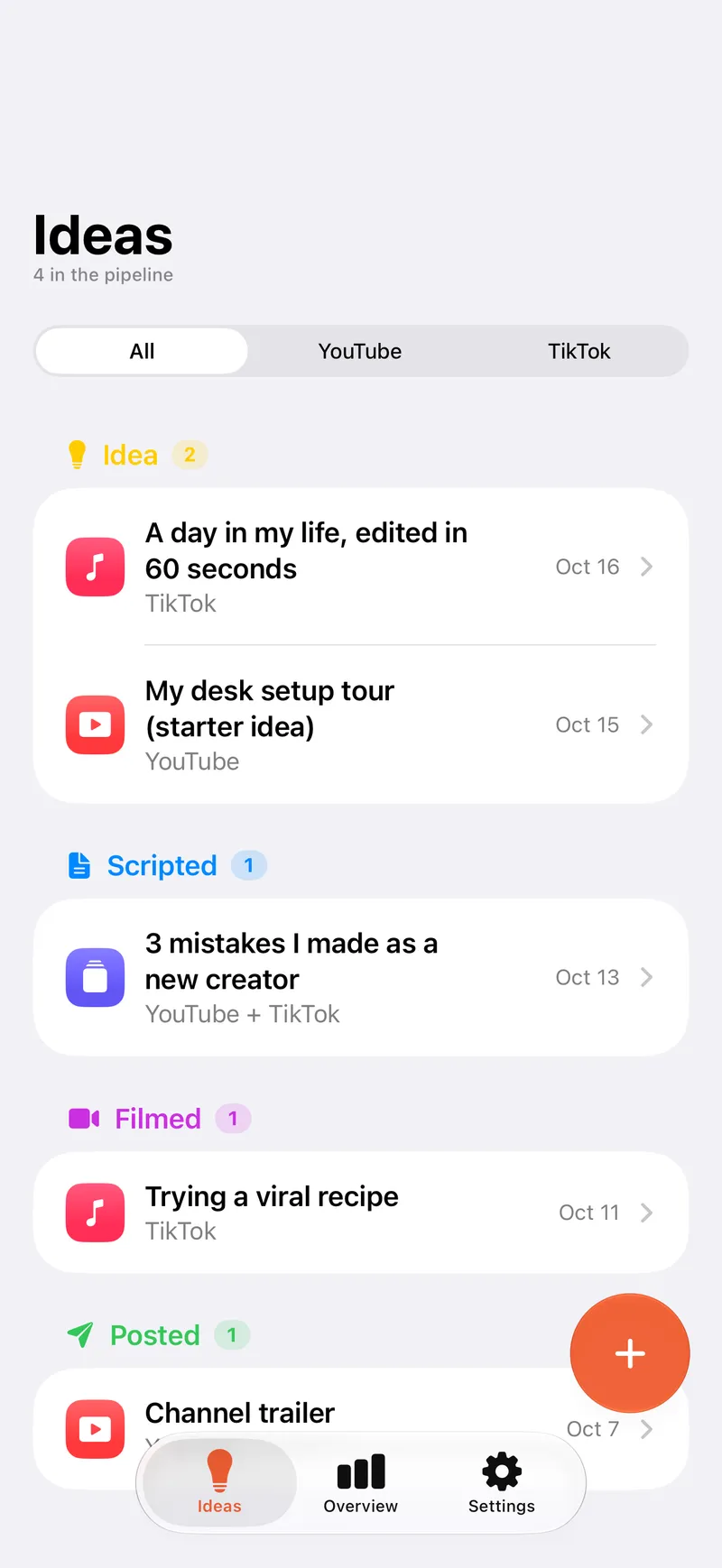
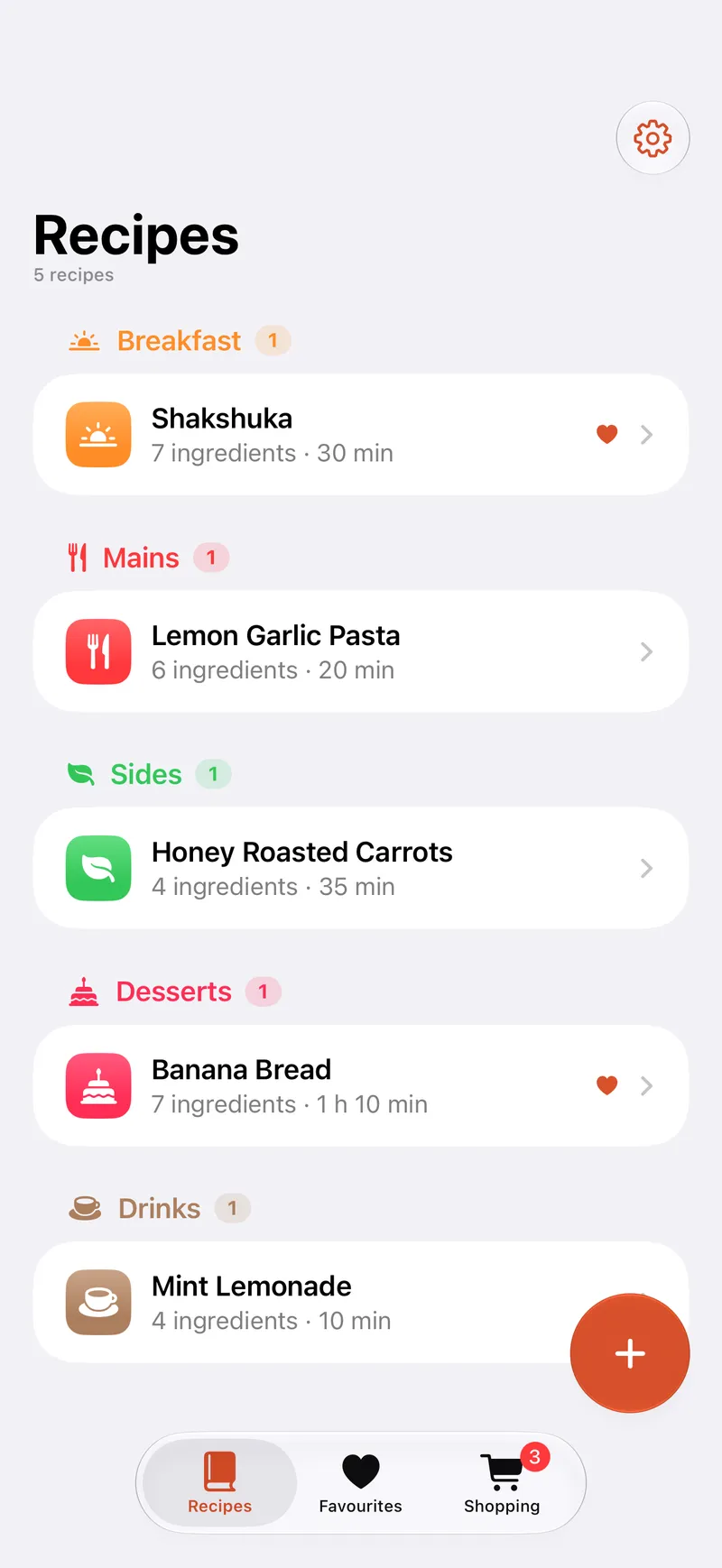
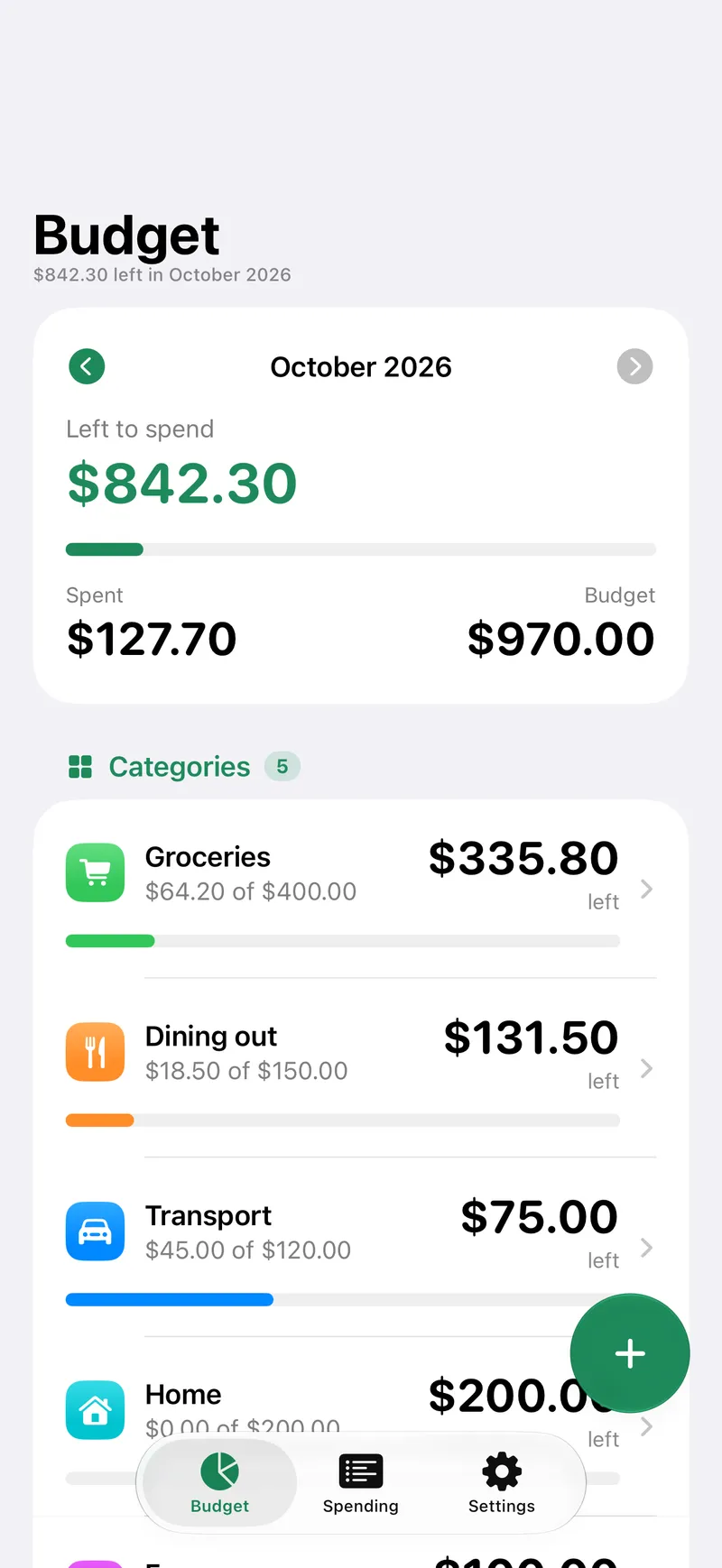
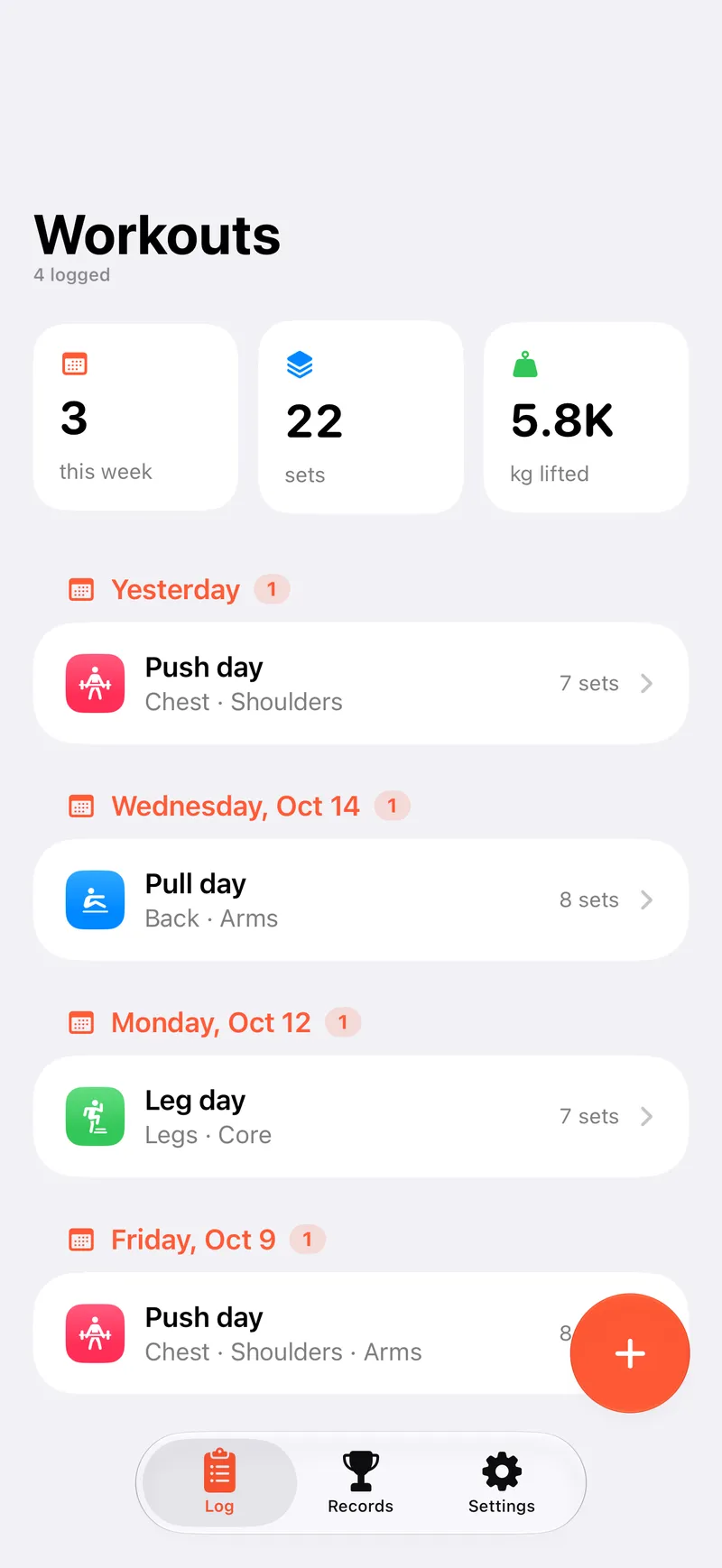
Native apps built by Borel, in the iOS Simulator.
Airtable
What is an Airtable interface?
An Airtable base holds your records, and an interface is a simpler front for them. Airtable's help says Interface Designer is built for interactive dashboards and workflows, because most people in an organisation don't need every piece of information in the data underneath.
In Airtable's terms, builders create, edit and publish interfaces, and end users work inside the published result.
The iPhone question
Doesn't Airtable have an iPhone app?
It does, and interfaces open in it. Airtable's page on mobile interfaces says the app is designed for end users and contributors who have access to the interface, marks layouts such as Timeline and Swimlanes as unsupported on iOS, and adds that viewing interface pages in a mobile browser isn't supported.
For a team inside your Airtable account, that may be all you need. It stops being enough when the people using it are customers or the public: they would need Airtable's app and access to your interface, and what they open is Airtable, not your product. An App Store app with your own name has to be built separately.
Apple's rule
Why a rebuild beats a wrapper
Apple reviews every app before it reaches the App Store, and a website in an app's frame is what its guideline 4.2 is about.
“Your app should include features, content, and UI that elevate it beyond a repackaged website. If your app is not particularly useful, unique, or “app-like,” it doesn’t belong on the App Store.”
Borel never wraps your Airtable interface. It writes a separate app in Swift with SwiftUI, Apple’s own language and interface framework, so the screens, scrolling and controls are the iPhone’s.
Step by step
How to turn your Airtable interface into an iPhone app
- 1
Screenshot the interface
An interface sits behind a login, so Borel can't open it. Take screenshots of its main pages; one message carries four.
- 2
List tables and fields
Send the prompt below with each table, its fields and whether each table is private to whoever made the row or open for everyone to read. A table only your team sees isn't possible yet. A public website, if you have one, supplies your logo and colours.
- 3
Lists, details and forms in SwiftUI
Borel lays out the pages from your screenshots as native screens, and declares your tables in its cloud database, each one private per person or open for everyone to read.
- 4
Enter a record on an iPhone
Add and edit records in the iOS Simulator in your browser, free. Borel Companion, on Pro, puts the app on your own iPhone.
- 5
Give people an App Store link
On Pro, with your Apple Developer account, Borel builds, signs and uploads the app to App Store Connect, for TestFlight or review.
Just for you? Skip step 5: personal apps need no App Store.
Your first message
A prompt to start from
Put your address where it says, fill in the brackets, and send it as your first message.
Make a native iPhone app like my Airtable interface (screenshots attached). Tables: [table: fields], [table: fields]. Every table gets a list, a detail screen and a form for adding a record. People sign in with email and see only their own [records]. Our logo and colours are on <your address>.
Moving over
What moves over, and what is made new
Borel works from what your app shows, the screenshots you add and the words you write. It doesn't copy code or accounts out of another platform.
| In your Airtable interface | In the iPhone app |
|---|---|
| Interface pages | Moves over. Rebuilt from your screenshots as native lists, detail views and forms. |
| Table structure | Moves over. The tables and fields you list are created in Borel's cloud database. |
| Branding | Moves over. From your website's address, or from a picture of your logo. |
| Records | Made new. Not copied. The app starts empty or with starter rows you paste, or reads the base through Airtable's API. |
| Collaborators and permissions | Made new. People make an account in the app with email and password. A table is private to whoever made the row or open for everyone to read; roles and groups don't carry over. |
| Automations and formulas | Made new. Describe what each one does, and Borel writes that behaviour in Swift. |
| Your Airtable base | Stays. Still where your team works. |
Frequently asked questions
Yes, through Airtable's API. After the first build, save a personal access token under Tools › Keys and ask Borel to fetch from your base. Airtable lets you limit what a token can reach, so give it only the base the app needs. Everyone who uses the app reads through that one token. The token stays on Borel's server, never in the app.
For colleagues, do. Airtable's app is designed for people who have access to the interface. Customers and the public expect an app of your own from the App Store, without an Airtable login.
Yes. A table can be private, so each row is seen only by the signed-in person who created it. The other choice is a table everyone can read, which any signed-in person can also add to. A table only your team sees isn't possible yet.
No. Automations stay in Airtable and keep running on the base. Behaviour the app itself needs is written in Swift from your description.
Through Apple: Borel uploads the build to App Store Connect, and from there it goes to TestFlight or the App Store. Borel Companion, on Pro, installs an app on your own iPhone only.
Show Borel your interface
See your Airtable interface as a native iPhone app you can publish.