WooCommerce to iPhone app
Turn your WooCommerce store into a real iPhone app
Borel turns a WooCommerce store into a native iPhone app for your customers. Paste the shop's address, and Borel reads that page and one shop page it links to for the name, colours, logo and a handful of products, photographs the front page and writes the app in Swift with SwiftUI. Orders and payments stay in WooCommerce, while shoppers get products to browse, favourites and an account.
Updated
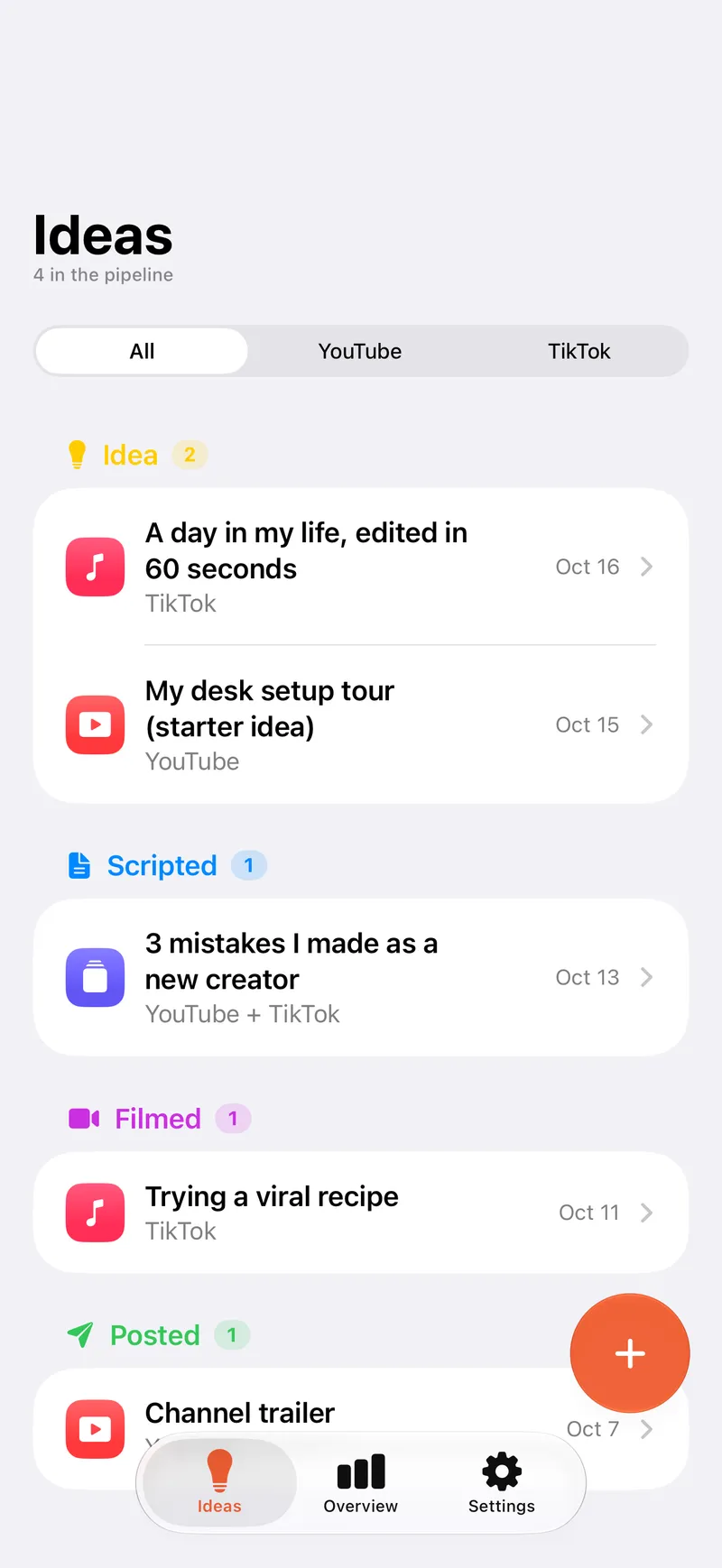
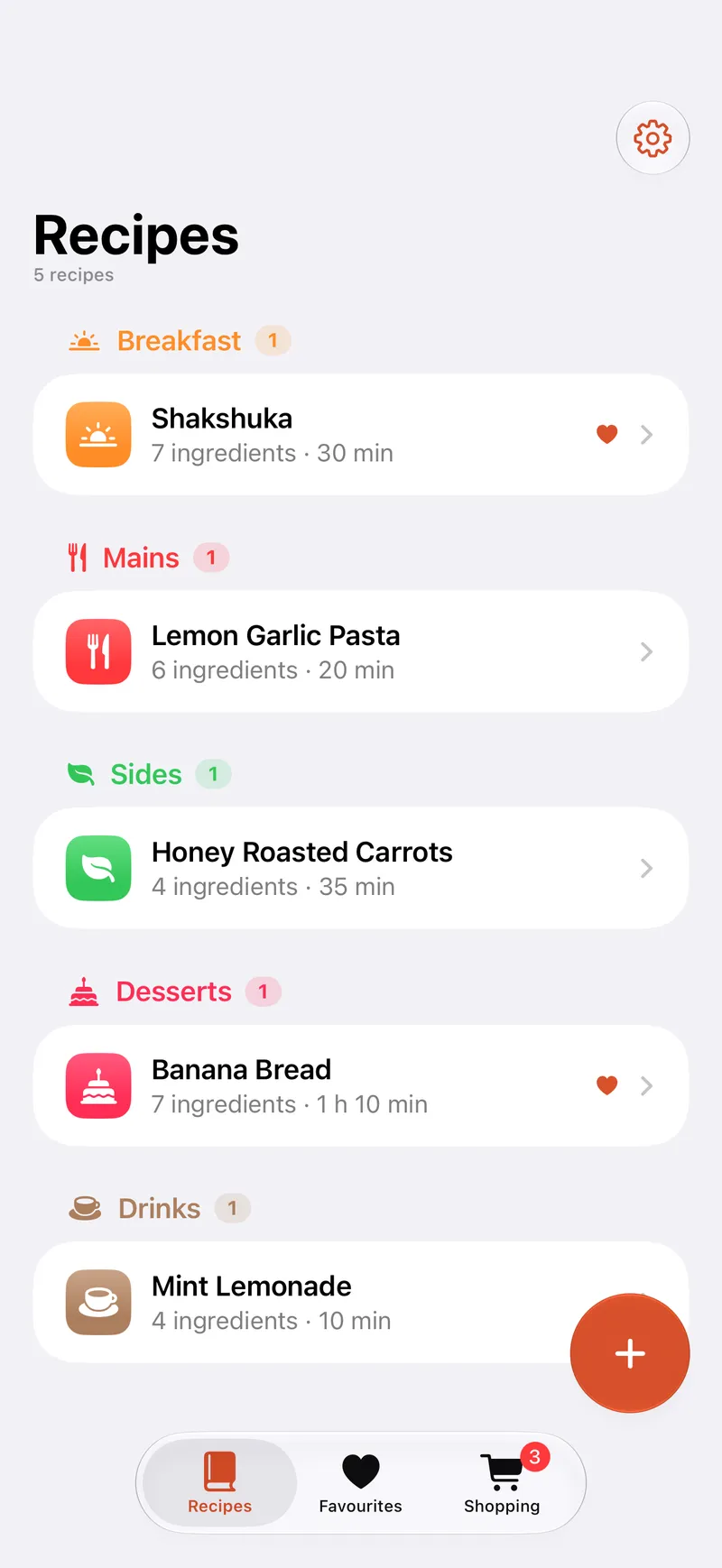
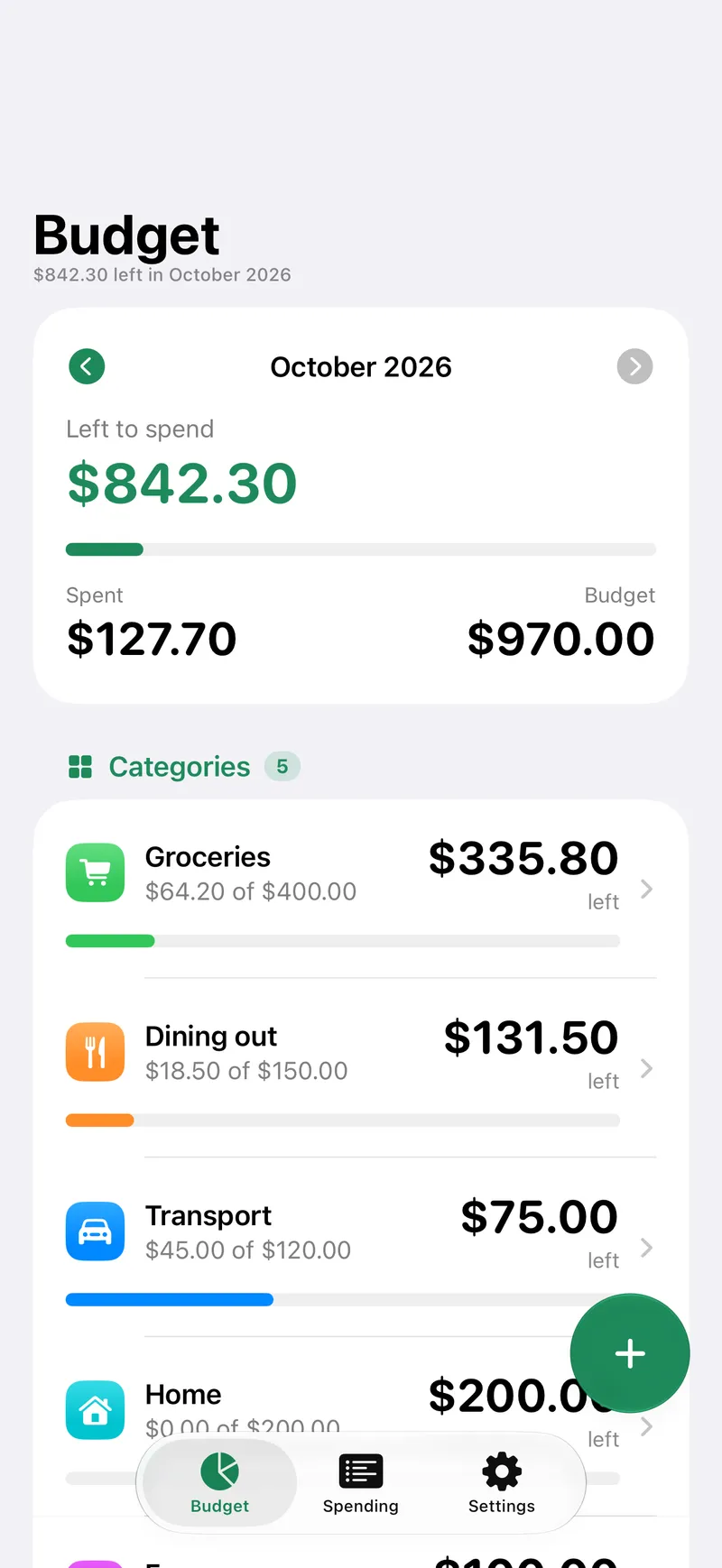
Native apps built by Borel, in the iOS Simulator.
WooCommerce
What does WooCommerce make?
WooCommerce is an open-source ecommerce platform powered by WordPress, so your shop is a WordPress site with a store inside it.
You run it from the WordPress admin, or from WooCommerce's own mobile app, whose four main sections are My Store, Orders, Products and Menu.
The iPhone question
Isn't there a WooCommerce app already?
There is, for the people behind the counter. WooCommerce's documentation describes an app in which people with the Administrator or Store Manager role manage a store from their own devices, and take payment in person by card reader, Tap to Pay or cash. Its documentation describes it for running a store, not for shopping.
For shoppers, a WooCommerce store on an iPhone is a web page in Safari. Showing those same pages inside an app frame gives you an icon, but it is the repackaged website Apple's guideline 4.2 describes. A rebuild gives shoppers screens that were made for a phone.
Apple's rule
Why a rebuild beats a wrapper
Apple reviews every app before it reaches the App Store, and a website in an app's frame is what its guideline 4.2 is about.
“Your app should include features, content, and UI that elevate it beyond a repackaged website. If your app is not particularly useful, unique, or “app-like,” it doesn’t belong on the App Store.”
Borel never wraps your WooCommerce store. It writes a separate app in Swift with SwiftUI, Apple’s own language and interface framework, so the screens, scrolling and controls are the iPhone’s.
Step by step
How to turn your WooCommerce store into an iPhone app
- 1
Copy the shop's address
The front page or the shop page of your WordPress site, typed in full with https://. Borel reads it from outside, like a customer's browser.
- 2
Describe the shopper's side
Send the prompt below. Which categories matter, what a product page must show, what people save. Screenshots of a category and a product help, four per message.
- 3
Your shop, as iPhone screens
Borel pictures the front page at phone and desktop width, reads your logo, colours and a handful of the products that page shows, and writes a category list, product screens and a favourites tab in SwiftUI.
- 4
Shop-test it in the browser
Scroll the products in the iOS Simulator, free on every plan. Borel Companion, on Pro, puts the app on your iPhone, so you can check it at the counter.
- 5
Send it to the App Store
With Pro and an Apple Developer membership, Borel signs the build and uploads it to App Store Connect. Nothing is installed on your WordPress server.
Just for you? Skip step 5: personal apps need no App Store.
Your first message
A prompt to start from
Put your address where it says, fill in the brackets, and send it as your first message.
Make a native iPhone app for my WooCommerce store at <your address>. Keep our name, logo and colours. Show products by [categories] with price and description, let shoppers save favourites to an account made with email, and add a tab for [opening hours, delivery info or news].
Moving over
What moves over, and what is made new
Borel works from what your app shows, the screenshots you add and the words you write. It doesn't copy code or accounts out of another platform.
| In your WooCommerce store | In the iPhone app |
|---|---|
| Shop identity | Moves over. Name, logo and colours from your theme's front page. |
| A few products | Moves over. Around five products from the page you paste, or from the shop page it links to, become starter items; give Borel more in the chat. |
| Categories | Moves over. The ones you name in your message become sections of the app. |
| Product images | Made new. Your logo comes from the site. Other pictures reach the app when you attach them in the chat. |
| The product database | Made new. Not read from WordPress. The starter items are written into the app; to add or change one, tell Borel in the chat. |
| Customer accounts and order history | Made new. New accounts in the app, by email and password. Past orders stay on the site. |
| Plugins and extensions | Made new. What one of them adds, such as a wish list or a store locator, is built natively when you ask. |
| Cart, checkout and payments | Stays. On your WooCommerce site, untouched. |
Frequently asked questions
Not through Borel. Selling physical goods in the app isn't something Borel sets up, so the cart and checkout stay on your WooCommerce site. Digital extras can be sold with Apple's in-app purchases.
No. Nothing is added to WordPress or WooCommerce. Borel opens the public shop from outside, and the iPhone app is a separate Swift project.
There is no import from WooCommerce. Borel takes a handful of the products the pasted page shows as a starting catalogue. More products, or a changed price, go in through the chat.
No. That app is for administrators and store managers to run the store. A Borel app is for your shoppers, published under your own shop's name.
If the site is mostly posts, pages and a club, yes: the WordPress page covers menus and articles. This one is about the shop itself: products, favourites and accounts.
Paste your WooCommerce shop
See your shop as a native iPhone app before you look for a plugin.