Google Sites to iPhone app
Turn your Google Sites website into a real iPhone app
Borel turns a Google Sites website into a native iPhone app. Paste the address of your published site, and Borel reads that page for the name, look and wording, photographs it and writes an app in Swift and SwiftUI around what the site is for. You try it on a live iOS Simulator in your browser and publish it to the App Store, with no Mac.
Updated
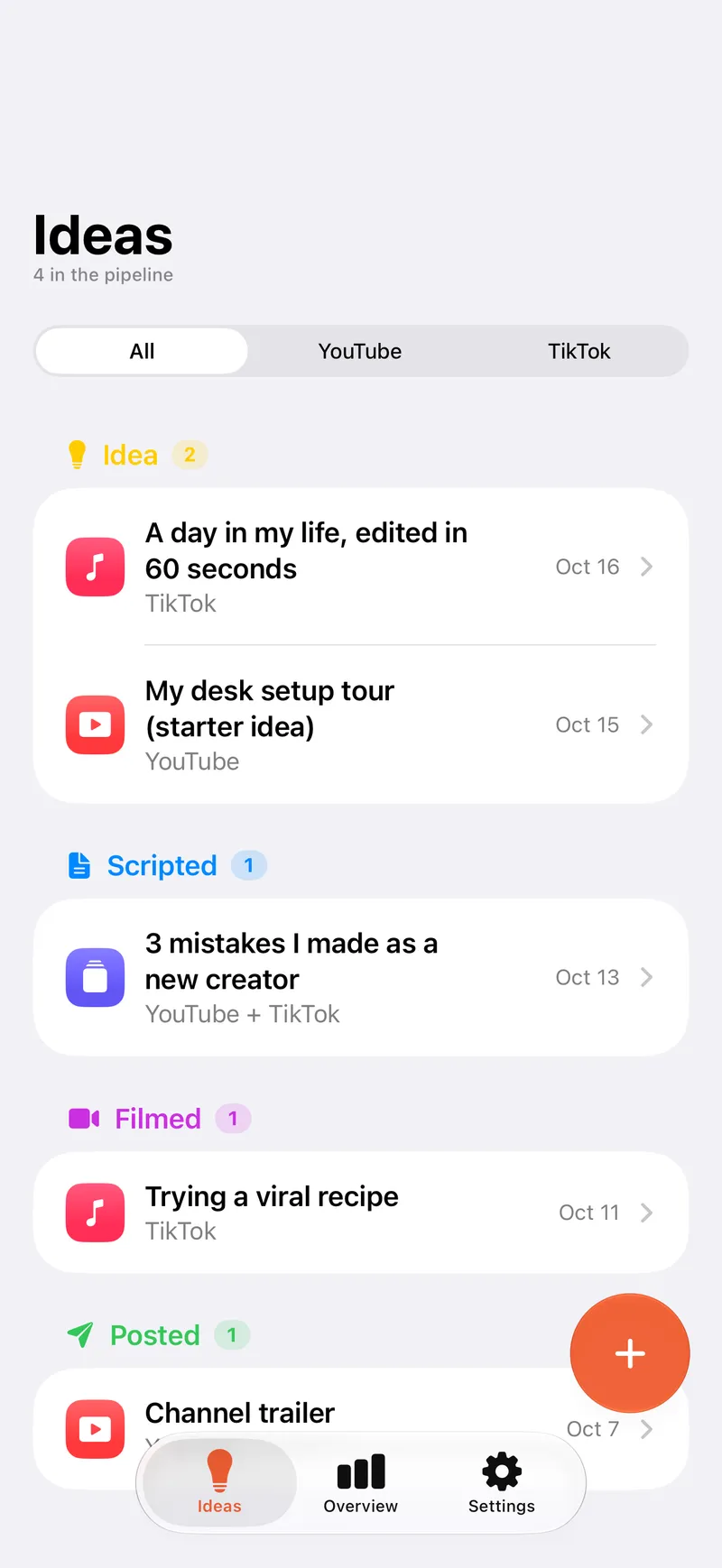
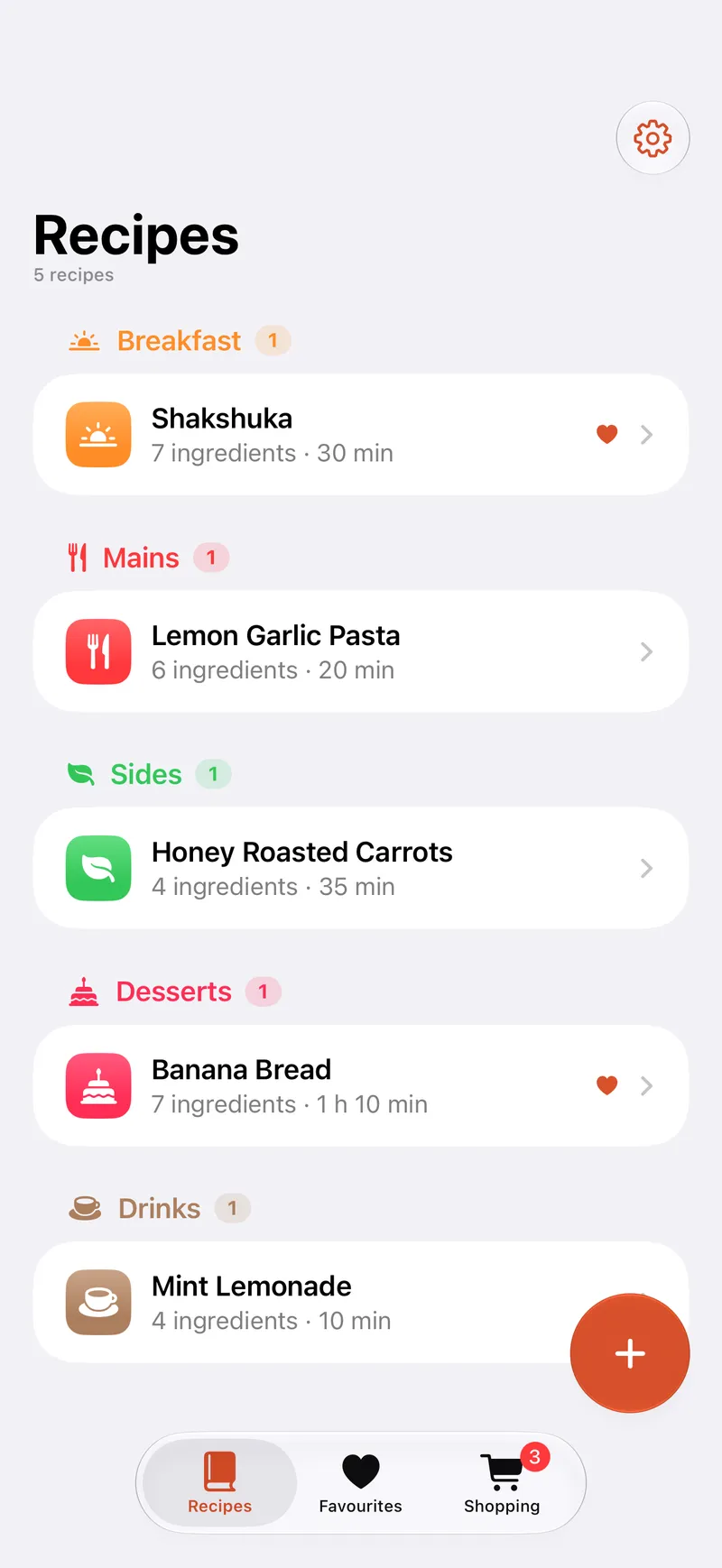
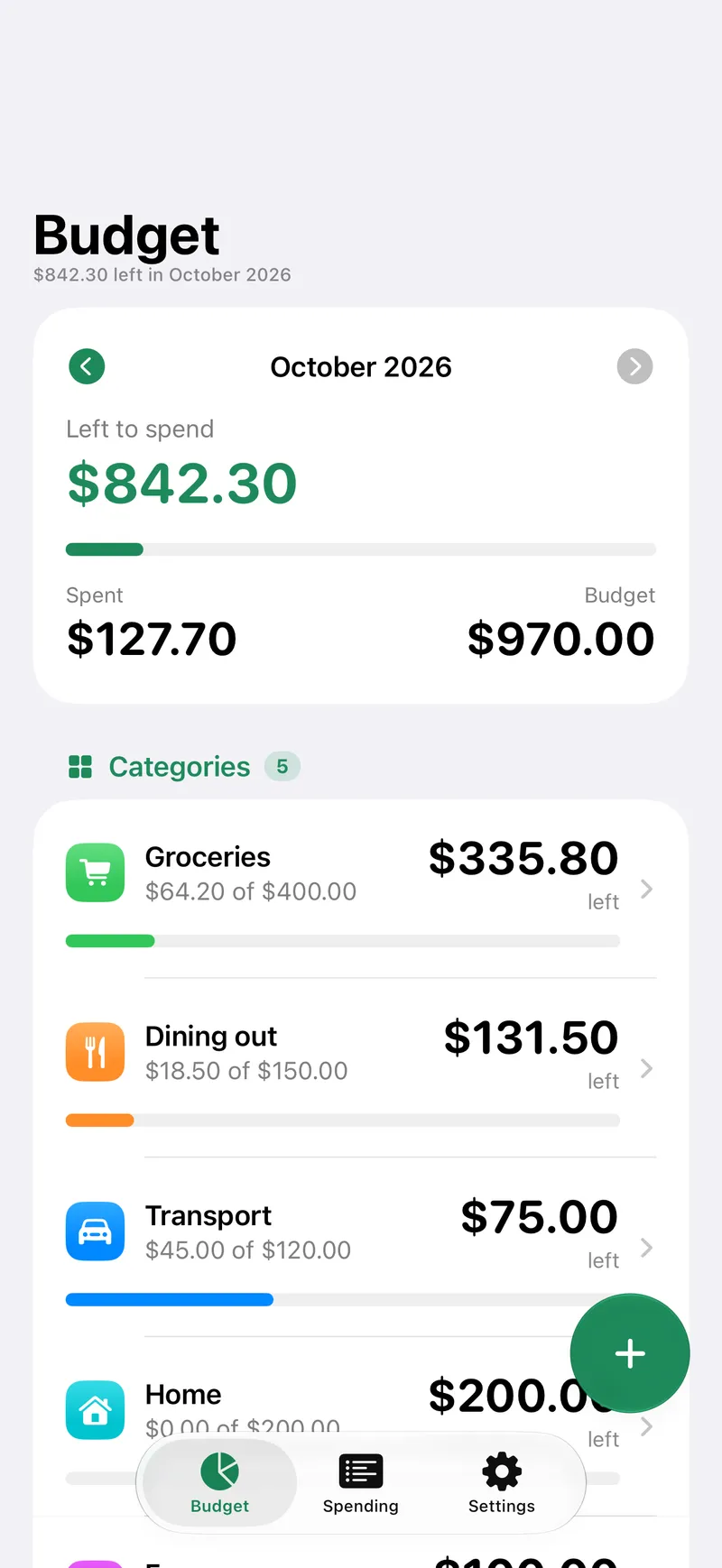
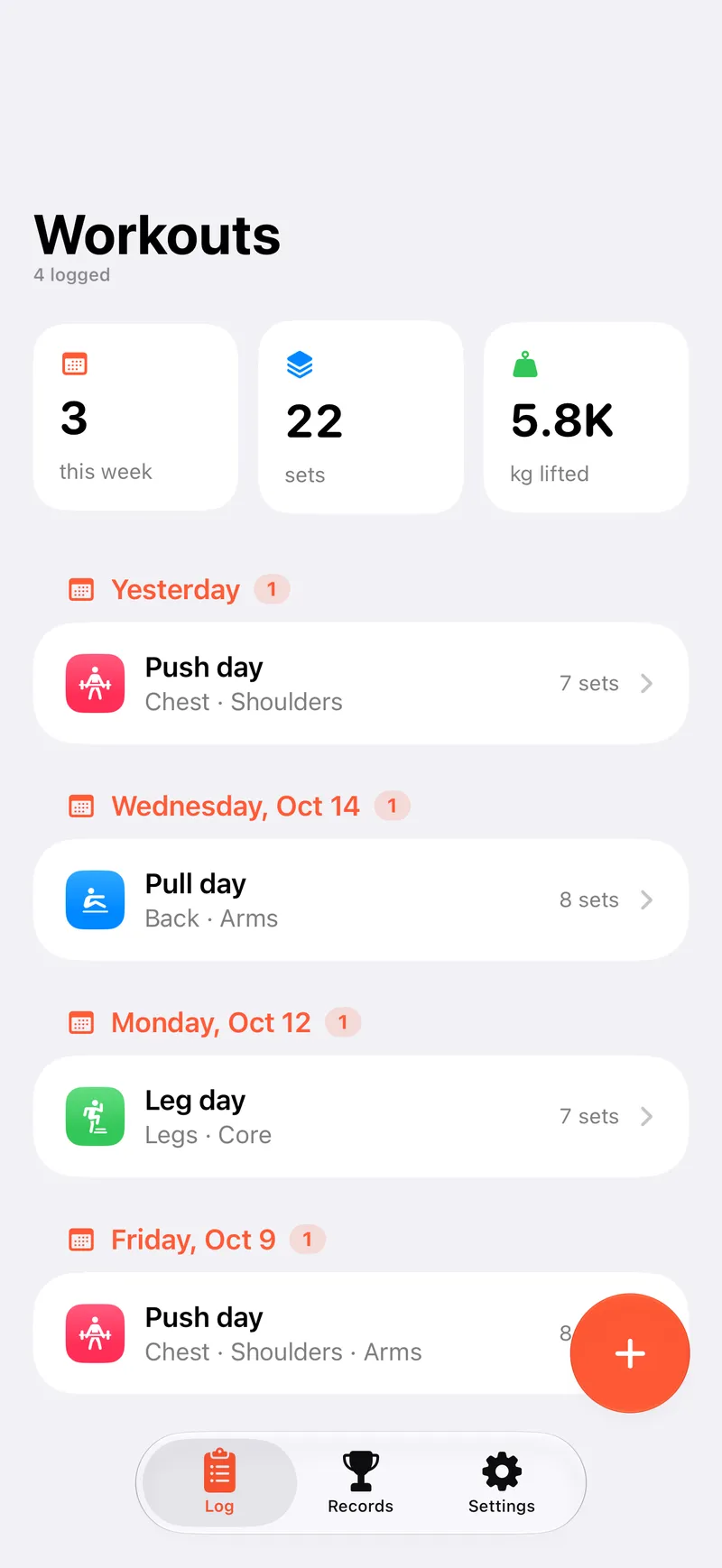
Native apps built by Borel, in the iOS Simulator.
Google Sites
What does Google Sites make?
Google Sites is Google's website maker. Its help centre puts the purpose in one line: you can create a website to share information with others.
When you publish, you enter the web address for the site and decide who can see it: Restricted or Public.
The iPhone question
Can Google Sites make an app?
Google's help describes no way to make one. It says a site can be viewed on a computer, phone or tablet, which on an iPhone means in a browser, and that editing needs a computer. The publishing page offers who can see the site, and no app option.
An information site inside an app frame is the plainest example of what Apple's guideline 4.2 describes. So the question to answer first is what people would do in the app that they can't do on the page: tick things off, keep their own notes, save what matters to them, look up a schedule.
Apple's rule
Why a rebuild beats a wrapper
Apple reviews every app before it reaches the App Store, and a website in an app's frame is what its guideline 4.2 is about.
“Your app should include features, content, and UI that elevate it beyond a repackaged website. If your app is not particularly useful, unique, or “app-like,” it doesn’t belong on the App Store.”
Borel never wraps your Google Sites website. It writes a separate app in Swift with SwiftUI, Apple’s own language and interface framework, so the screens, scrolling and controls are the iPhone’s.
Step by step
How to turn your Google Sites website into an iPhone app
- 1
Set the site to Public, copy it
Borel can only open a site anyone can see. Copy the published address in full, with https:// at the start.
- 2
Say who it's for
Send the prompt below: a class, a club, a neighbourhood. Borel opens only the page you paste, so attach screenshots of the other pages that matter, four in one message.
- 3
Pages turn into app screens
Borel reads the name and text of the page you pasted, photographs it for phone and desktop, and builds SwiftUI tabs and lists from the sections you named.
- 4
Check it like a member would
Sign up and look around in the iOS Simulator in your browser, at no charge. Borel Companion, on Pro, installs the app on your iPhone.
- 5
Put it on the App Store
Pro and an Apple Developer membership let Borel build, sign and upload the app to App Store Connect from its own Mac.
Just for you? Skip step 5: personal apps need no App Store.
Your first message
A prompt to start from
Put your address where it says, fill in the brackets, and send it as your first message.
Make a native iPhone app from my Google Sites website at <your address>, for [my class or club]. Keep the name, sections and wording. People sign in with email, see [schedule, announcements or resources], and can [tick off, note or save] things of their own.
Moving over
What moves over, and what is made new
Borel works from what your app shows, the screenshots you add and the words you write. It doesn't copy code or accounts out of another platform.
| In your Google Sites website | In the iPhone app |
|---|---|
| Name and sections | Moves over. The site's title, and the sections you name or show in screenshots, become the app's tabs. |
| Text | Moves over. What the pasted page says, in your own wording; the rest you paste into the chat. |
| Look | Moves over. Colours and logo from the first page, set in the iPhone's own type. |
| Embedded Docs, Sheets and Forms | Made new. Not read. A list the app needs is built natively, with its data in Borel's cloud. |
| Who can see it | Made new. The app has its own accounts, by email and password. A table is private to whoever made the row or open for everyone to read; one only your group sees isn't possible yet. |
| Things people do | Made new. Checklists, notes or saved items of each person's own, written in Swift from your description. |
| Your Google Site | Stays. Published and edited in Google Sites as before. |
Frequently asked questions
No. Borel opens the address as a signed-out visitor, so a Restricted site shows it nothing. Either make a Public copy, or attach screenshots of the pages and describe them.
No. Borel doesn't read embedded files or connect to a Google account. Paste the text you need into the chat, and ask for a list or table where the Sheet used to be.
Accounts in a Borel app are made with email and password. Members sign up once in the app; nothing is linked to their Google account.
Only if people would do something in it. A page of information is fine as a site. A schedule people check every week, or a checklist and notes of their own, is where an app earns its place.
No. You describe the app in plain words and ask for changes the same way. Borel writes the Swift and builds it with Xcode on its own Mac.
Paste your Google Site
See your class or club site as a native iPhone app.