Carrd to iPhone app
Turn your Carrd site into a real iPhone app
Borel turns a Carrd site into a native iPhone app. Paste your site's address, and Borel reads the name, colours, logo and wording of your one page, photographs it and writes an app in SwiftUI that goes further than a page can: several screens, accounts and saved data. You try it on a live iOS Simulator and publish it to the App Store.
Updated
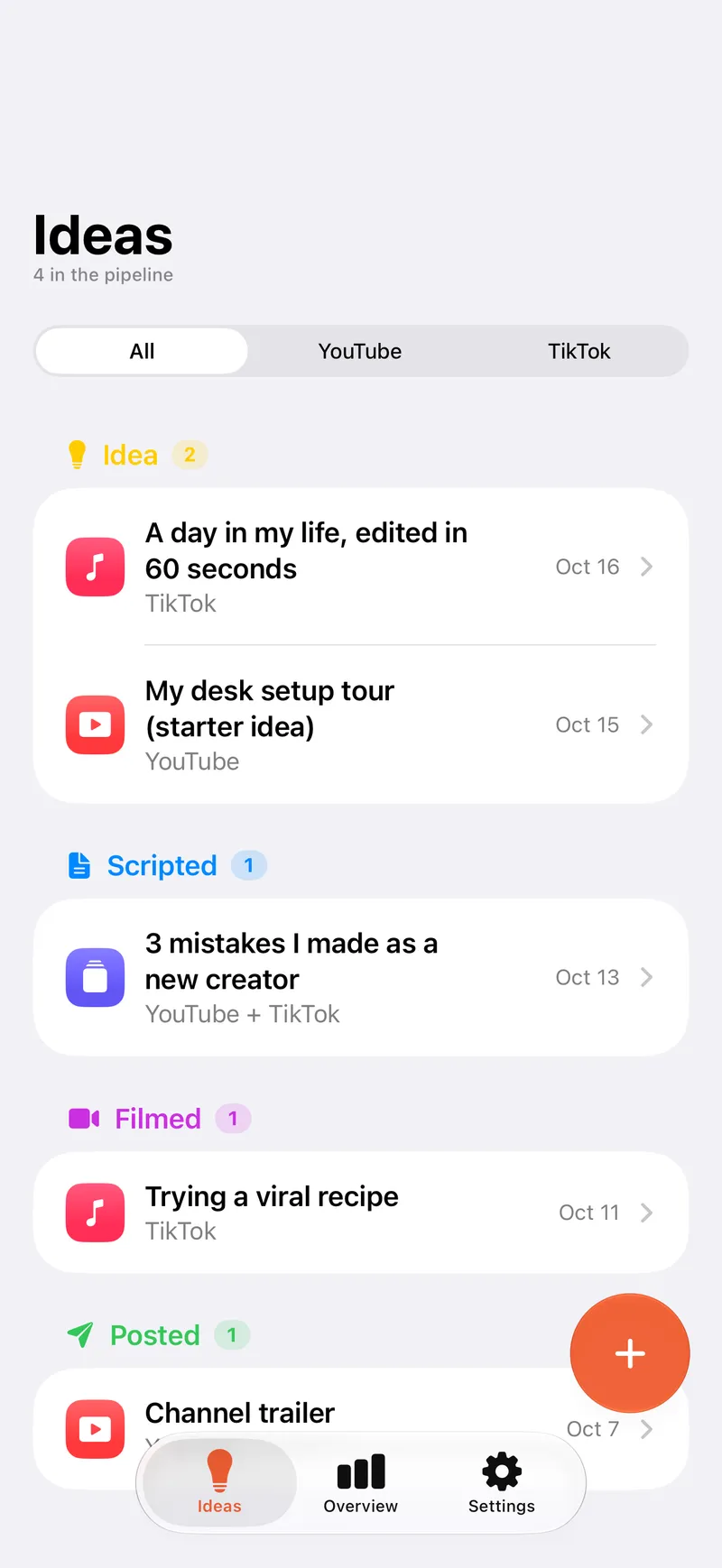
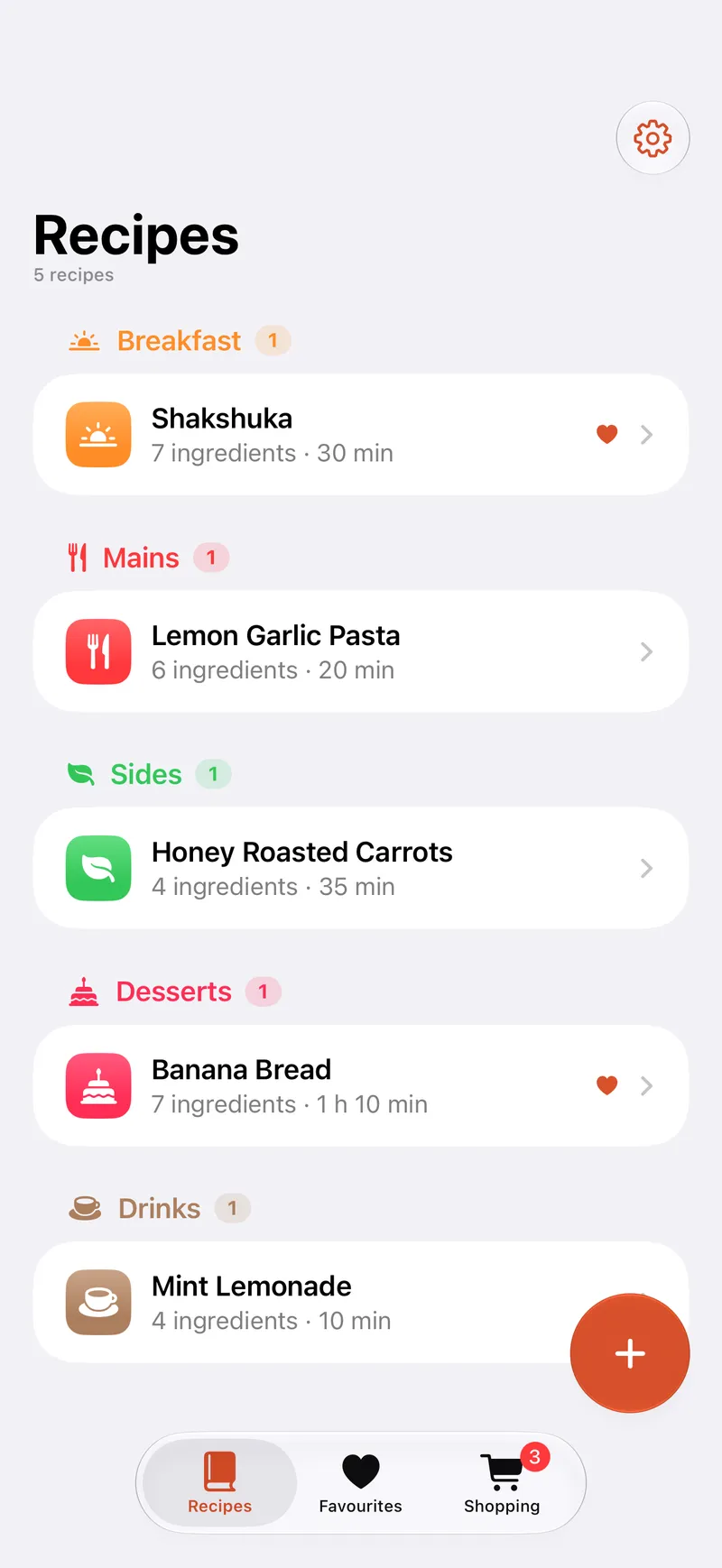
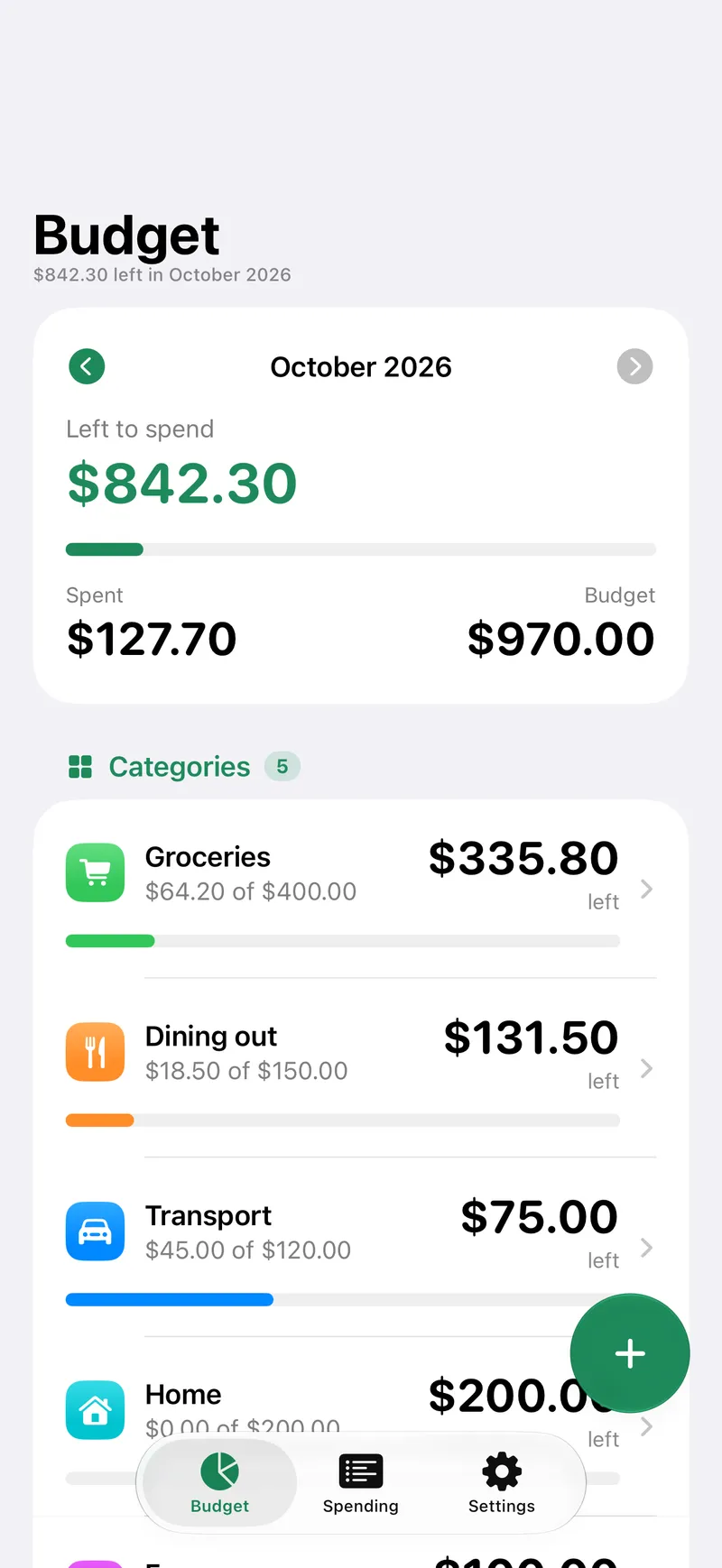
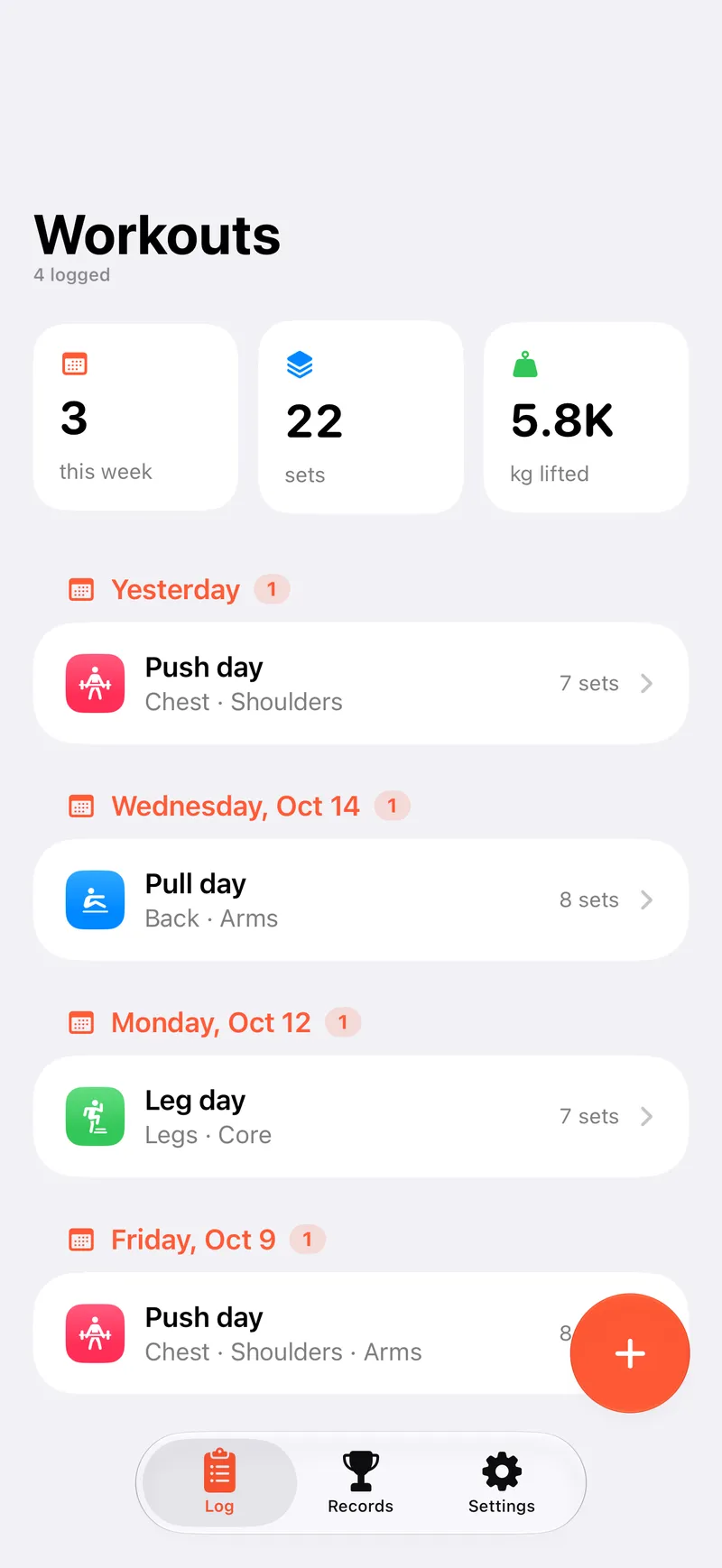
Native apps built by Borel, in the iOS Simulator.
Carrd
What does Carrd make?
Carrd builds one-page sites: in its own words, simple, free and fully responsive, for pretty much anything. A personal profile and a landing page that captures emails are the examples it gives.
Its Pro plans add your own domain, contact and signup forms, and embeds from services such as Stripe, PayPal, Gumroad and Typeform, which is how a single page ends up taking sign-ups and payments.
The iPhone question
Can a Carrd site be exported as an app?
Carrd's top plan lets you download a site's HTML, CSS, JavaScript and images. That is a copy of the web page. It isn't an iPhone app, which is compiled from Swift and signed for Apple.
Because Carrd sites are responsive, yours already fits an iPhone in Safari. One page in an app frame is the thinnest case of what Apple's guideline 4.2 describes, so an app made from a Carrd site has to do a job the page doesn't. Usually that job is whatever your page is selling or collecting sign-ups for.
Apple's rule
Why a rebuild beats a wrapper
Apple reviews every app before it reaches the App Store, and a website in an app's frame is what its guideline 4.2 is about.
“Your app should include features, content, and UI that elevate it beyond a repackaged website. If your app is not particularly useful, unique, or “app-like,” it doesn’t belong on the App Store.”
Borel never wraps your Carrd site. It writes a separate app in Swift with SwiftUI, Apple’s own language and interface framework, so the screens, scrolling and controls are the iPhone’s.
Step by step
How to turn your Carrd site into an iPhone app
- 1
Copy your Carrd address
The published address of the site, or your custom domain, written in full with https://.
- 2
Describe the product behind the page
Send the prompt below. A landing page promises something: say what the app version of that promise does. Sketches or mock-ups can be attached, four per message.
- 3
One page becomes several screens
Borel photographs your page at phone and desktop size, keeps its name, logo, colours and words, and writes the screens you described in SwiftUI.
- 4
Try the idea for real
Use the app in the iOS Simulator in your browser, without paying. Borel Companion, on Pro, then installs it on your iPhone.
- 5
Launch it
With Pro and Apple's Developer Program, Borel compiles, signs and uploads the app to App Store Connect, and your Carrd page can link to it.
Just for you? Skip step 5: personal apps need no App Store.
Your first message
A prompt to start from
Put your address where it says, fill in the brackets, and send it as your first message.
Make a native iPhone app for the product on my Carrd site at <your address>. Keep the name, logo, colours and tone of the page. The app lets people [what it does]. Screens: [list them]. People make an account with email and their [items] are saved.
Moving over
What moves over, and what is made new
Borel works from what your app shows, the screenshots you add and the words you write. It doesn't copy code or accounts out of another platform.
| In your Carrd site | In the iPhone app |
|---|---|
| Name, logo and colours | Moves over. Read from your published one-page site. |
| Headline and wording | Moves over. Your pitch, kept as you wrote it. |
| Sections of the page | Moves over. About, features or links can become screens or an intro when you ask. |
| Signup and contact forms | Made new. Not connected. What someone saves in the app is private to them, so a form you would read yourself needs your list service's API, through Tools › Keys. |
| Payment embeds | Made new. Not carried over. Digital sales in the app go through Apple's in-app purchases. |
| What the app does | Made new. The screens, accounts and data that a single page never had, written in Swift. |
| Your Carrd site | Stays. Live as your landing page. |
Frequently asked questions
It's enough for the look and the words. The app itself comes from your description: tell Borel what the product does, screen by screen, and it builds that with your branding on top.
No. Borel doesn't import HTML, CSS or JavaScript. It reads the published page and writes Swift, which is what an iPhone app is made of.
On your Carrd site, yes. The app doesn't connect to that service by itself. If your list service has an API that takes a key, save the key under Tools › Keys after the first build and ask Borel to call it.
Digital things, such as a subscription or a one-time unlock, are sold through Apple's in-app purchases, set up from Payments in Borel's menu. Selling physical goods through the app isn't something Borel sets up.
It can show your links, but Apple's review expects more than a page of links. Add something people use, like a saved list, a tracker or a tool, and build the app around that.
Paste your Carrd site
Turn the page that describes your idea into the app itself.