Teachable to iPhone app
Turn your Teachable school into a real iPhone app
Borel builds a native iPhone app around your Teachable school. Paste the school's address, and Borel reads that page for the name, colours, logo and a few course titles, photographs it and writes the app in Swift with SwiftUI. Your courses already play in Teachable's own app, so this one covers what goes with them: practice, checklists, a planner, under your own name on the App Store.
Updated
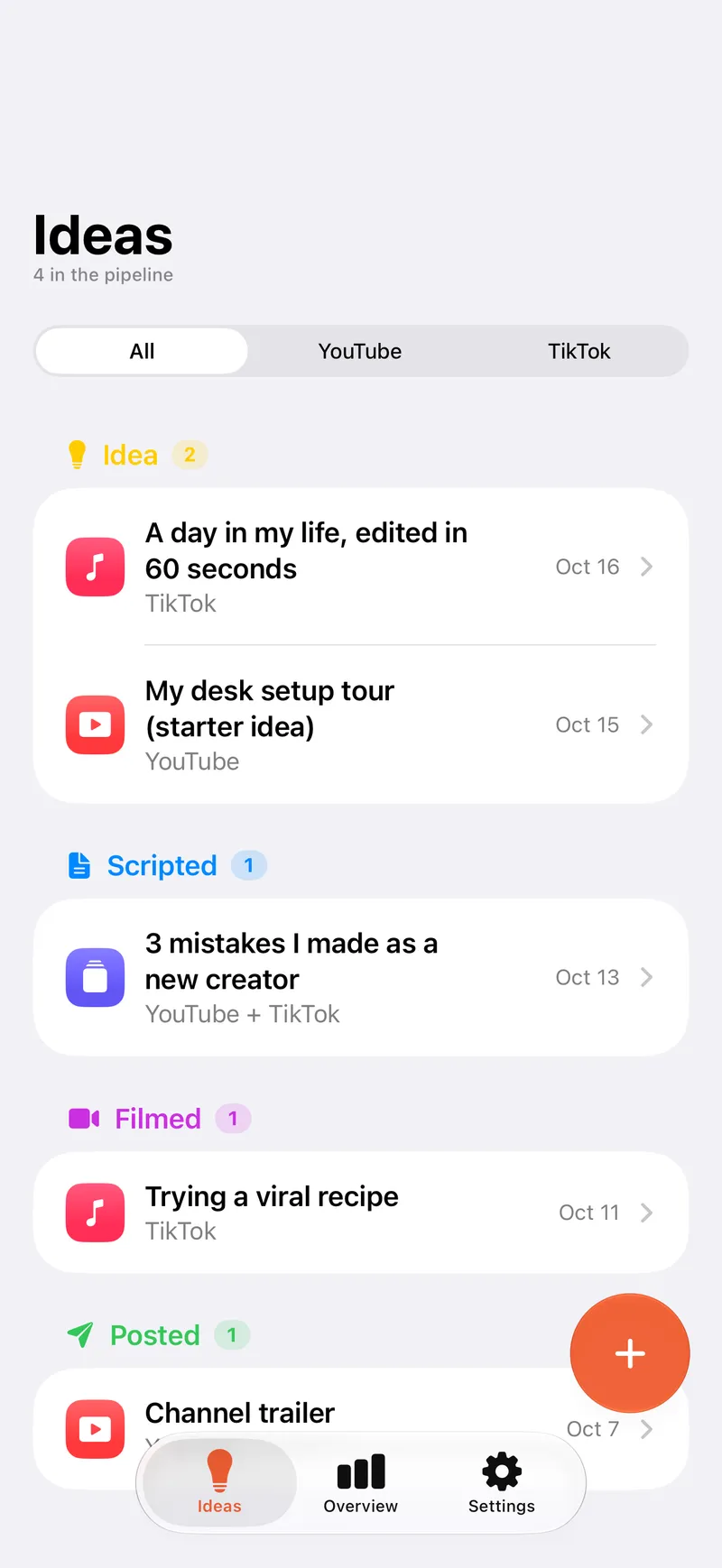
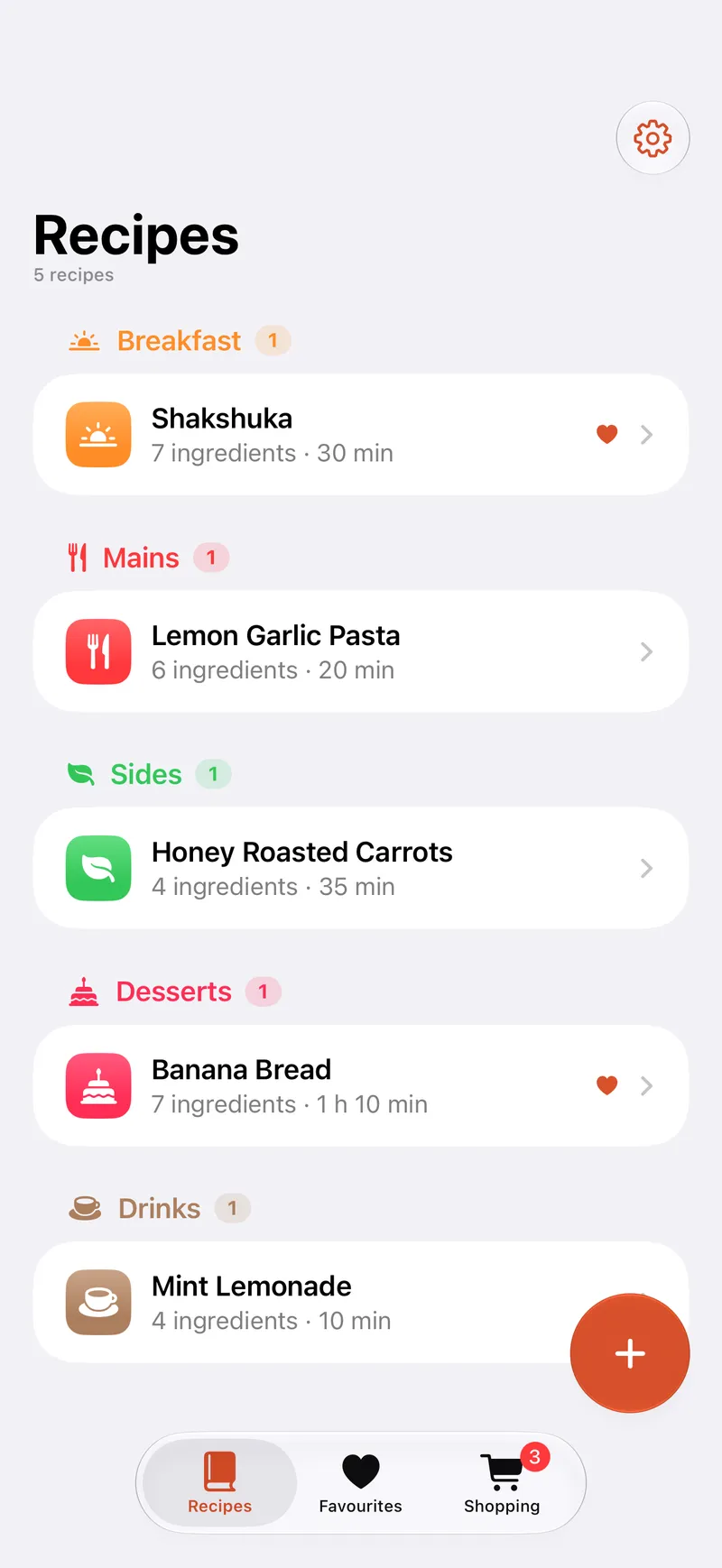
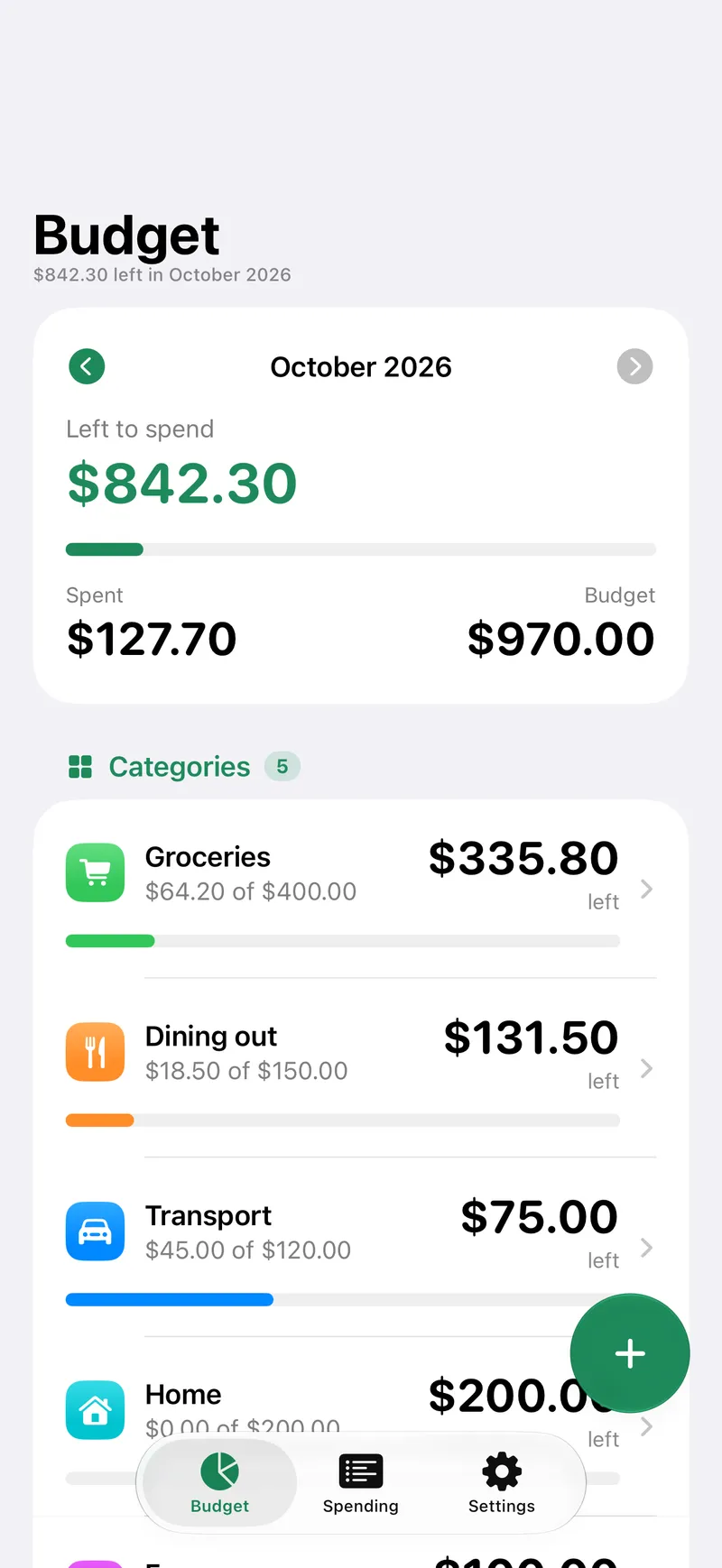
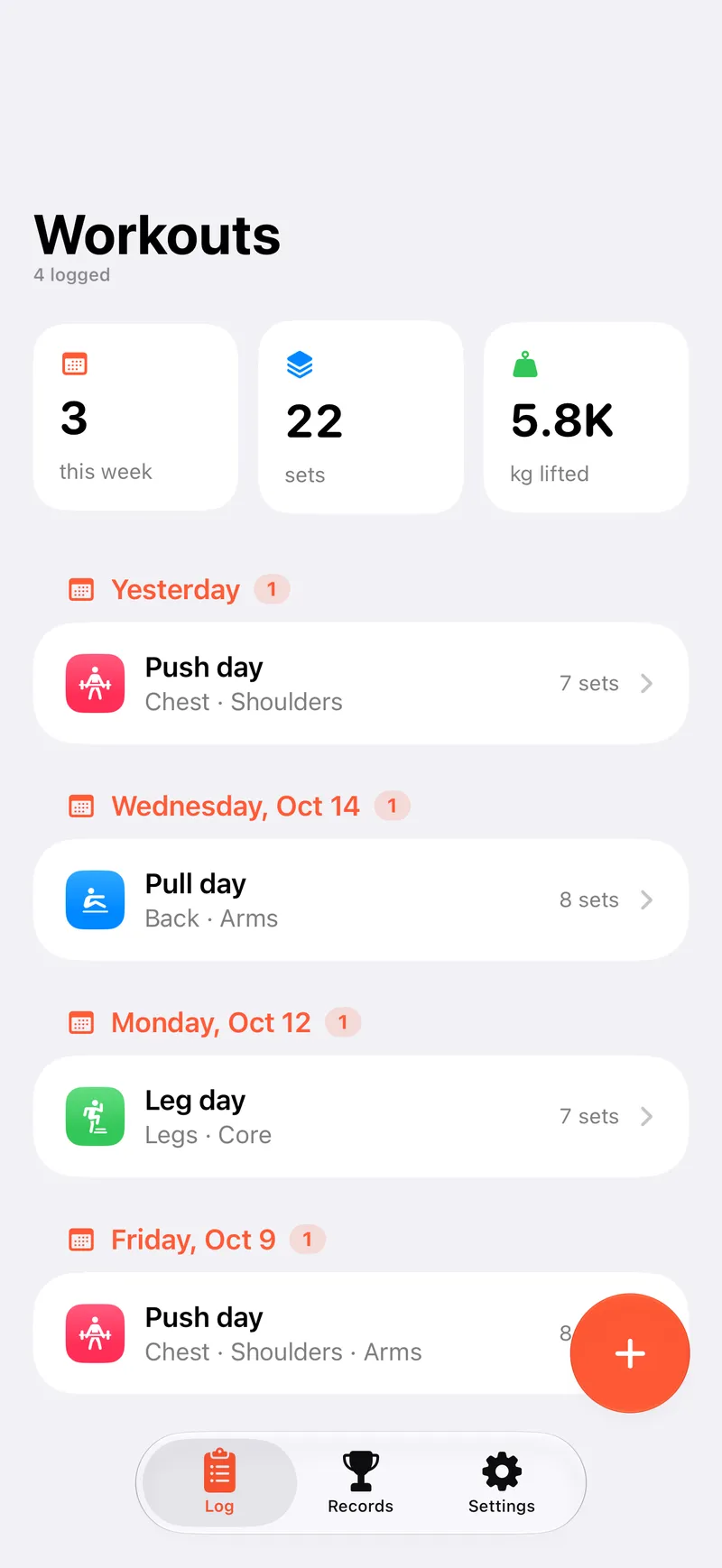
Native apps built by Borel, in the iOS Simulator.
Teachable
What does Teachable make?
On Teachable you build courses inside a school of your own. Teachable also has a mobile app for iOS and Android. It says every course built with Teachable is automatically available there, free for creators and students.
A student who signs in to that app sees a list of all the Teachable schools linked to their email, with yours among them.
The iPhone question
Isn't my school already in the Teachable app?
For courses, yes. Teachable's guide for creators says the iOS app lets students access their course content anywhere, and then lists the limit: the app only displays courses. Coaching products, digital downloads, memberships and community aren't supported in it.
So lessons are covered, in an app that carries Teachable's name. What isn't covered is anything of your own design. Wrapping your school's web pages in an app frame is what guideline 4.2 is about, and it would only repeat what Teachable's app does. An app worth making does something the course can't.
Apple's rule
Why a rebuild beats a wrapper
Apple reviews every app before it reaches the App Store, and a website in an app's frame is what its guideline 4.2 is about.
“Your app should include features, content, and UI that elevate it beyond a repackaged website. If your app is not particularly useful, unique, or “app-like,” it doesn’t belong on the App Store.”
Borel never wraps your Teachable school. It writes a separate app in Swift with SwiftUI, Apple’s own language and interface framework, so the screens, scrolling and controls are the iPhone’s.
Step by step
How to turn your Teachable school into an iPhone app
- 1
Copy your school's address
The address of your school's home page, or your own domain, with https:// first. Borel reads the public page that lists your courses.
- 2
Pick the app's job
Send the prompt below. Flashcards for a language course, a practice log for music, a meal planner for nutrition. Pictures of worksheets can be attached, four per message.
- 3
A study tool is written
Borel takes your school's name, logo and colours, photographs the page at phone and desktop size, and builds the practice screens you described in SwiftUI.
- 4
Do a practice session
Try a full session in the iOS Simulator in your browser, which costs nothing. Borel Companion, on Pro, installs it on your own iPhone.
- 5
List it beside your school
With Pro and Apple's Developer Program, Borel signs the app and uploads it to App Store Connect, to be published under your name.
Just for you? Skip step 5: personal apps need no App Store.
Your first message
A prompt to start from
Put your address where it says, fill in the brackets, and send it as your first message.
Make a native iPhone app that goes with my Teachable school at <your address>. Use the school's name, logo and colours. It is a [flashcard, practice log or planner] app for my course on [subject]: students make an account with email, practise [what], and see their streak and history. Screens: [list them].
Moving over
What moves over, and what is made new
Borel works from what your app shows, the screenshots you add and the words you write. It doesn't copy code or accounts out of another platform.
| In your Teachable school | In the iPhone app |
|---|---|
| School identity | Moves over. Name, logo and colours from the school's public page. |
| Course titles and outline | Moves over. A few course titles from the page you paste, and any outline you add in the chat, shape the app's sections. |
| Descriptions | Moves over. Your wording from the page you paste, for intro screens. |
| Lessons, videos and quizzes | Stays. In Teachable and its app. Borel doesn't import course content. |
| Students and enrolments | Made new. Students make a new account in your app; an enrolment in Teachable isn't checked. |
| Practice data | Made new. Cards, logs and progress are new tables in Borel's cloud, each row private to the student who made it. |
| Checkout | Stays. Course sales stay on your Teachable school. |
Frequently asked questions
No. There is no import of lessons, videos or students. Your courses are already available in Teachable's app; Borel builds a separate app from what you describe.
For what its app doesn't do. Teachable says the app only displays courses. A practice tool, a planner or a daily checklist that fits your subject is a different app, and it sits on the home screen under your school's name.
Borel doesn't check Teachable enrolments. Anyone can make an account in the app, and you can sell access with a subscription or a one-time unlock through Apple's in-app purchases.
Yes. Paste the terms and answers into the chat, and Borel writes them into the app as its starting deck. Cards a student adds are their own, kept in Borel's cloud.
No. You describe the app and ask for changes in plain words, and each change shows up in the simulator. The Swift code can be downloaded if a developer ever needs it.
Paste your Teachable school
Build the practice app that goes with your course.