Android app to iPhone app
Turn your Android app into an iPhone app
Borel turns your Android app into a native iPhone app for its users. Send screenshots of its screens and say what each one does; Borel writes the iPhone version fresh in Swift with SwiftUI, with no APK or code import. You try it on a live iPhone in your browser, Borel Companion, on Pro, puts it on your own iPhone, and Pro publishes it to the App Store.
Updated
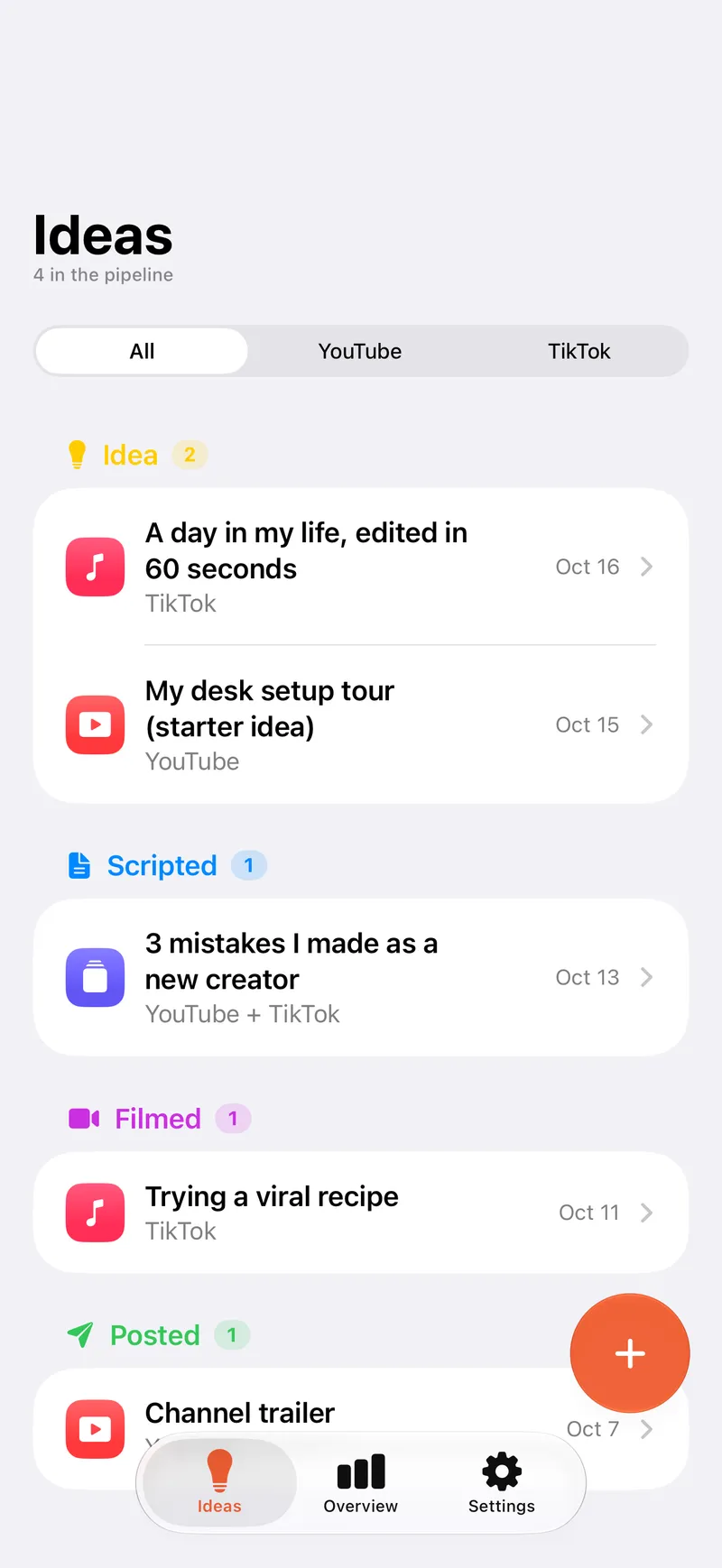
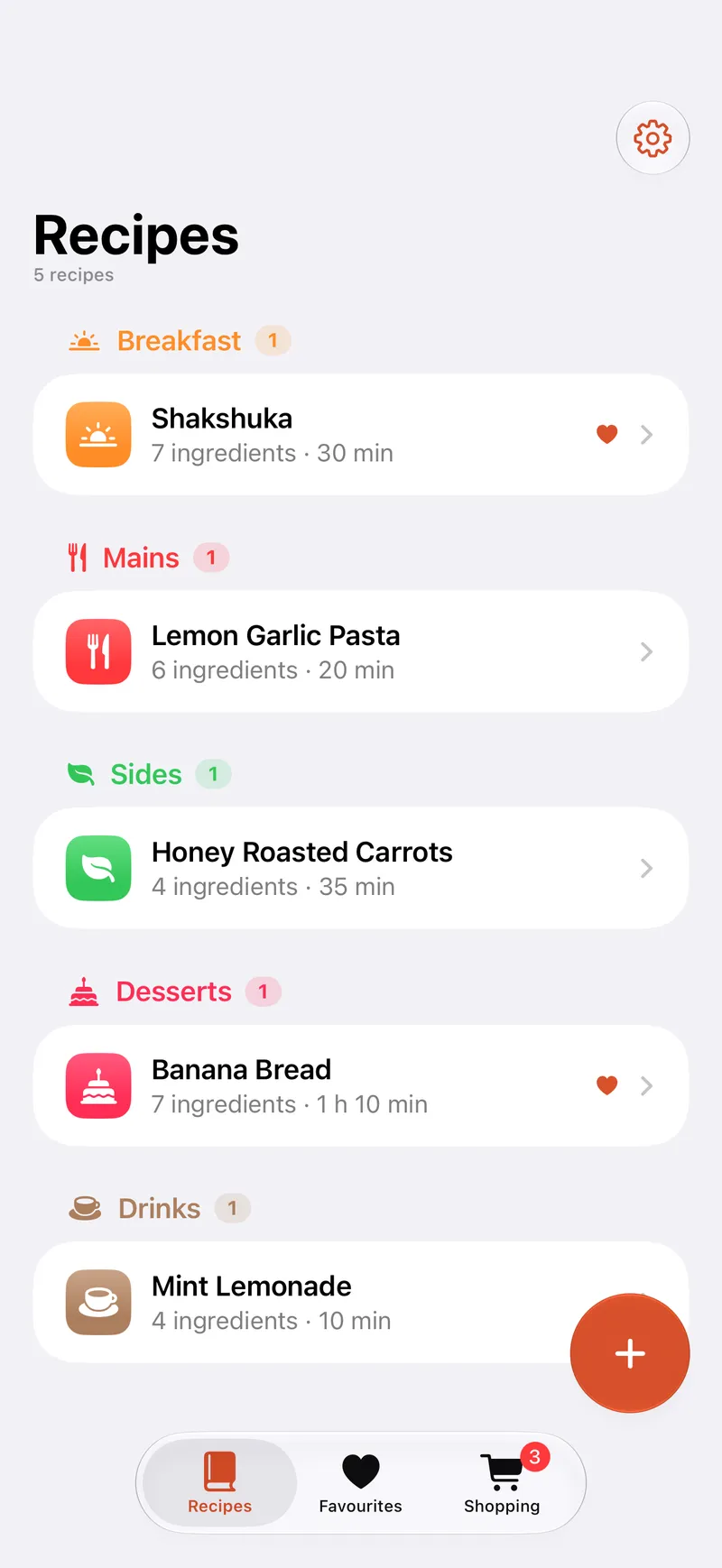
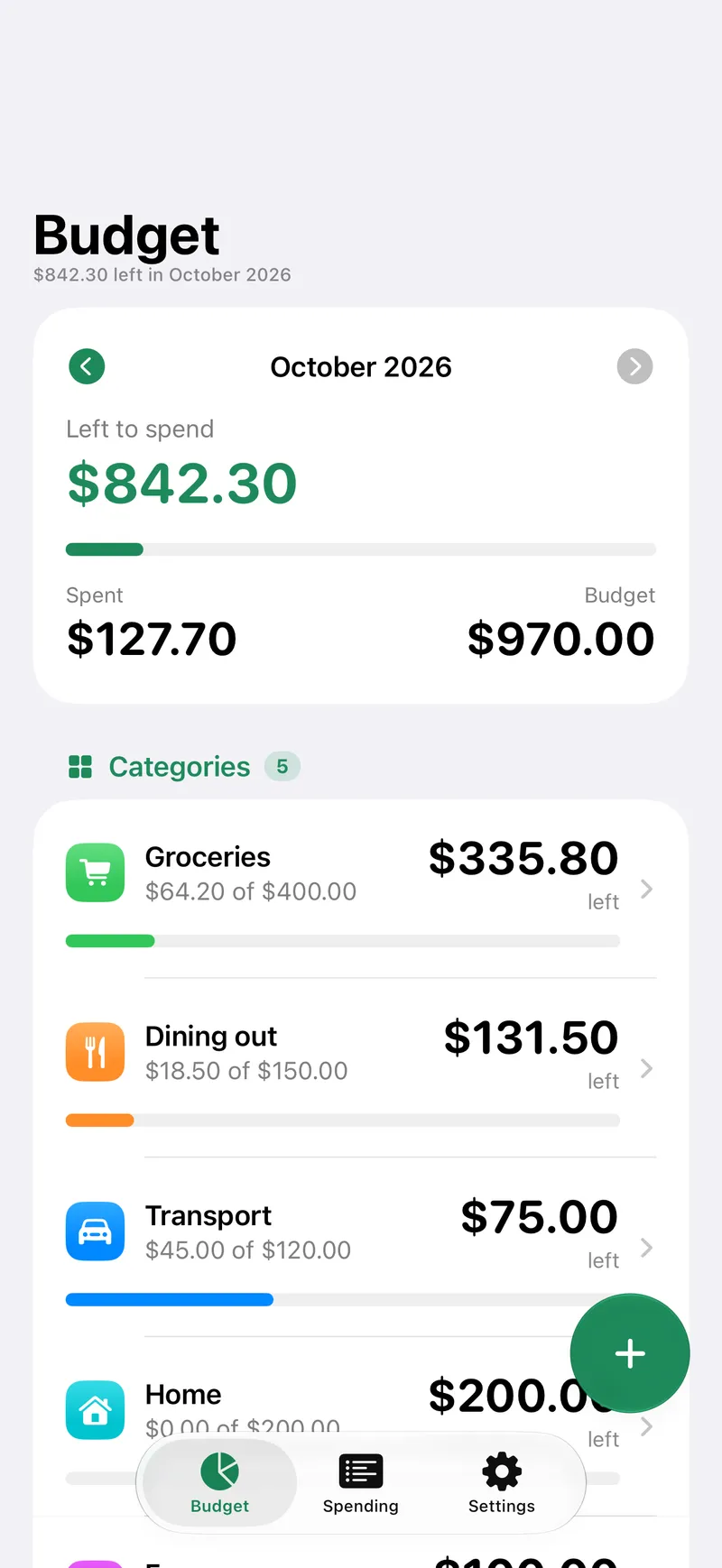
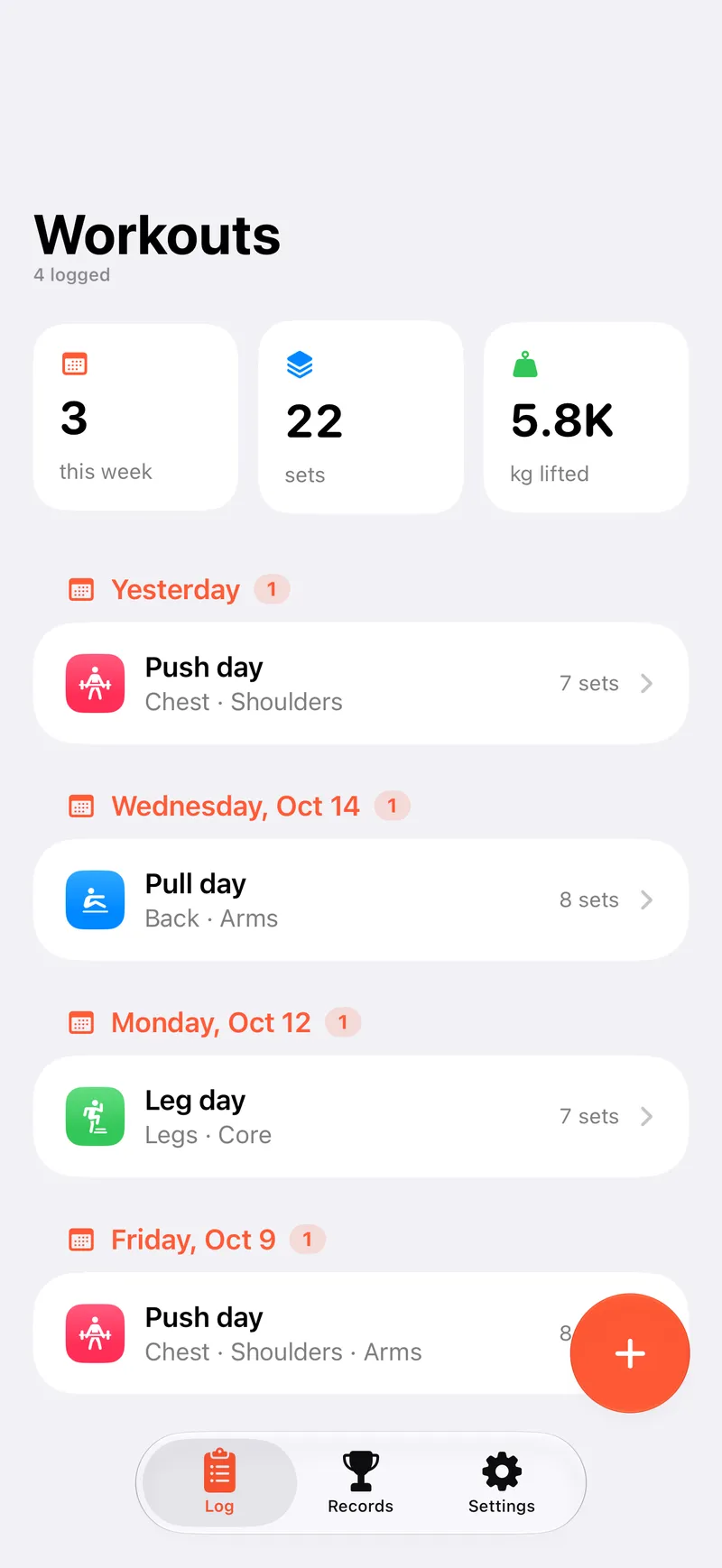
Native apps built by Borel, in the iOS Simulator.
Android app
What is an Android app made of?
Android apps are written in Kotlin, Java or C++, and Android's tools compile them into an APK, the file an Android phone installs, or an Android App Bundle, a format for publishing. Whether you wrote yours by hand or made it with another tool, a package like that is what reaches the phone.
The screens are often drawn with Jetpack Compose, which Google calls Android's recommended modern toolkit for building native UI. Android's guide puts a navigation bar along the bottom for three to five main sections, and most Android phones have a back button or a back gesture of their own.
The iPhone question
Why doesn't an Android app run on an iPhone?
The APK is made for Android devices, and an iPhone isn't one. Even Apple's Move to iOS app, which carries contacts, photos and messages from an Android phone to an iPhone, brings over only free apps that are on both Google Play and the App Store and support the transfer. An app that is only on Google Play has no iPhone version to bring.
The usual routes need a developer and a Mac. One is a rewrite in Swift. Another is Kotlin Multiplatform, which shares an app's logic between Android and iOS; its guide says you need a macOS machine with Xcode installed to build the iOS app. Borel is a third route: it writes the iPhone app in SwiftUI from your screenshots and words, and builds it on its own Mac.
Apple's rule
Why a rebuild beats a wrapper
Apple reviews every app before it reaches the App Store, and a website in an app's frame is what its guideline 4.2 is about.
“Your app should include features, content, and UI that elevate it beyond a repackaged website. If your app is not particularly useful, unique, or “app-like,” it doesn’t belong on the App Store.”
Borel never wraps your Android app. It writes a separate app in Swift with SwiftUI, Apple’s own language and interface framework, so the screens, scrolling and controls are the iPhone’s.
Step by step
How to turn your Android app into an iPhone app
- 1
Screenshot each main screen
On the Android phone, press Power and Volume down together on each screen people use most. Borel takes up to 4 pictures in a message, so send the rest in later messages.
- 2
Attach them and say what they do
Send the prompt below with the screenshots. Name each screen, and say what it does, what the app saves and who signs in. Attach your logo too, and say it is the logo and where it goes.
- 3
Borel writes it in Swift
Each screen becomes a native SwiftUI screen, with the iPhone's tab bar and Back button where Android has its navigation bar and back gesture. Xcode compiles it on Borel's Mac.
- 4
Try it, then put it on your iPhone
Use it on a live iPhone in your browser, free, with your Android phone beside it, and ask for whatever differs. Borel Companion, on Pro, installs it on your own iPhone with your Apple ID.
- 5
Publish it to the App Store
With Pro and Apple's Developer Program, Borel signs the iPhone app and uploads it to App Store Connect. Your Android app stays on Google Play, so each kind of phone has its own.
Just for you? Skip step 5: personal apps need no App Store.
Your first message
A prompt to start from
Attach your screenshots, fill in the brackets, and send it as your first message.
Build a native iPhone app of my Android app. The attached screenshots are its screens: [name each one and what it does]. Keep the layout, colours and words, and use a tab bar for [main sections]. People sign in, and the app saves [what they add]. [App name]'s logo is attached too.
Moving over
What moves over, and what is made new
Borel never opens your Android app. It works from your screenshots and the words you write, and copies no code, accounts or data out of it.
| In your Android app | In the iPhone app |
|---|---|
| Screens and layout | Moves over. Rebuilt from your screenshots as SwiftUI screens. |
| Colours, words and logo | Moves over. Read from the screenshots. Attach your logo and say where it goes. |
| Navigation bar and back gesture | Made new. Rebuilt the iPhone's way, with a tab bar and a Back button; the prompt below asks for them. |
| Kotlin or Java code | Made new. Not read. Borel writes the Swift itself. |
| Accounts and saved data | Made new. The iPhone app has its own sign-in and its own database in Borel's cloud. |
| The Android app | Stays. On Google Play and on people's phones, as it is. |
Frequently asked questions
No. Borel has no code import: it doesn't open APK or AAB files, Android Studio projects or GitHub repos, and it doesn't build from pasted Kotlin or Java. Send screenshots of each screen and say what the app does, and Borel writes the Swift from those.
It follows your layout, colours and words, and uses the iPhone's own controls, such as a tab bar at the bottom and a Back button at the top, so it works the way iPhone apps do. Where you want it closer to the Android version, say so in plain words.
Yes. Borel never touches it. It stays on Google Play and on the phones it is installed on, and you keep updating it as before. The iPhone app is a separate app beside it.
No. The iPhone app has its own sign-in and its own database in Borel's cloud. If your data sits behind your own API that takes a key, save the key under Tools › Keys after the first build and ask Borel to read from it.
Once you publish it and Apple approves it, yes: anyone can download it from the App Store. Publishing needs Pro and Apple's Developer Program, $99 a year. Until then the app is yours alone, on your own iPhone through Borel Companion with Pro.
No. Xcode runs on Borel's Mac, and the live iPhone streams into your browser on any computer, Windows included. Companion, the app that installs it on your iPhone with Pro, is for Windows and Mac.
Bring your app to iPhone
Send your Android screens, try the iPhone version on a live iPhone, test it on your own iPhone with Pro, then publish it.