Vue to iPhone app
Turn your Vue app into a real iPhone app
Borel turns a Vue app into a native iPhone app without Ionic or Capacitor. Paste the address where your Vue app is deployed: Borel photographs its first screen and, with your screenshots, writes each view you list again in Swift with SwiftUI. The result is an iPhone app, not a web view. Run it on a live iOS Simulator, then publish it to the App Store.
Updated
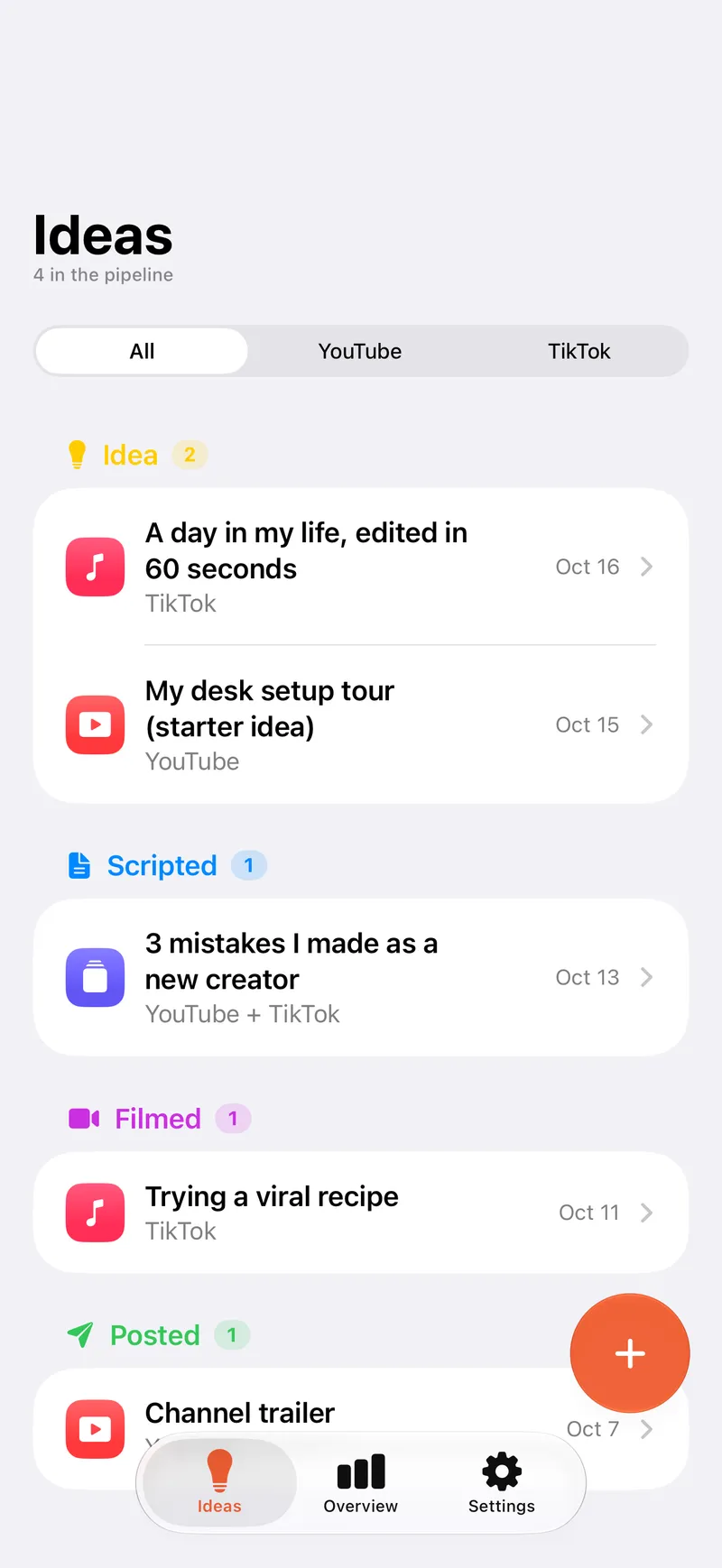
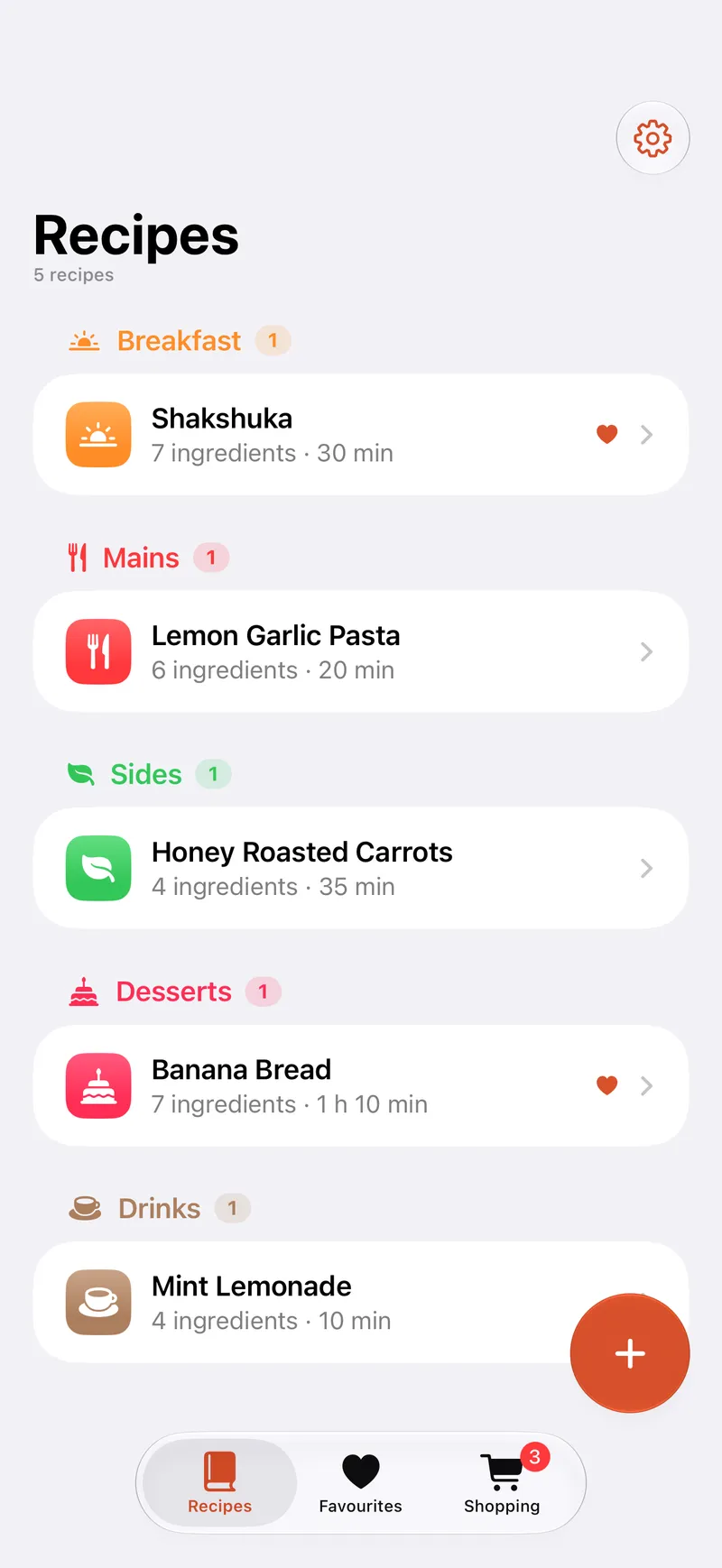
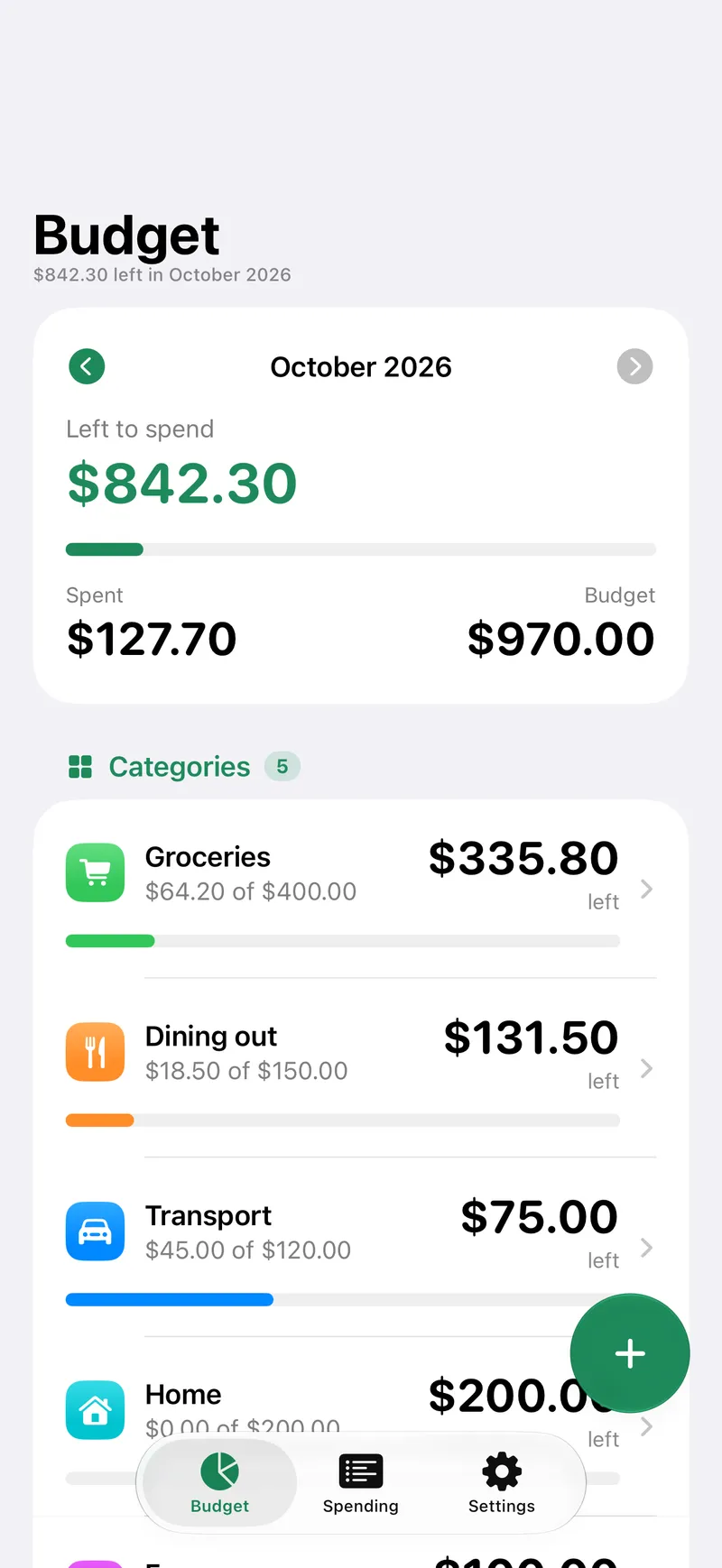
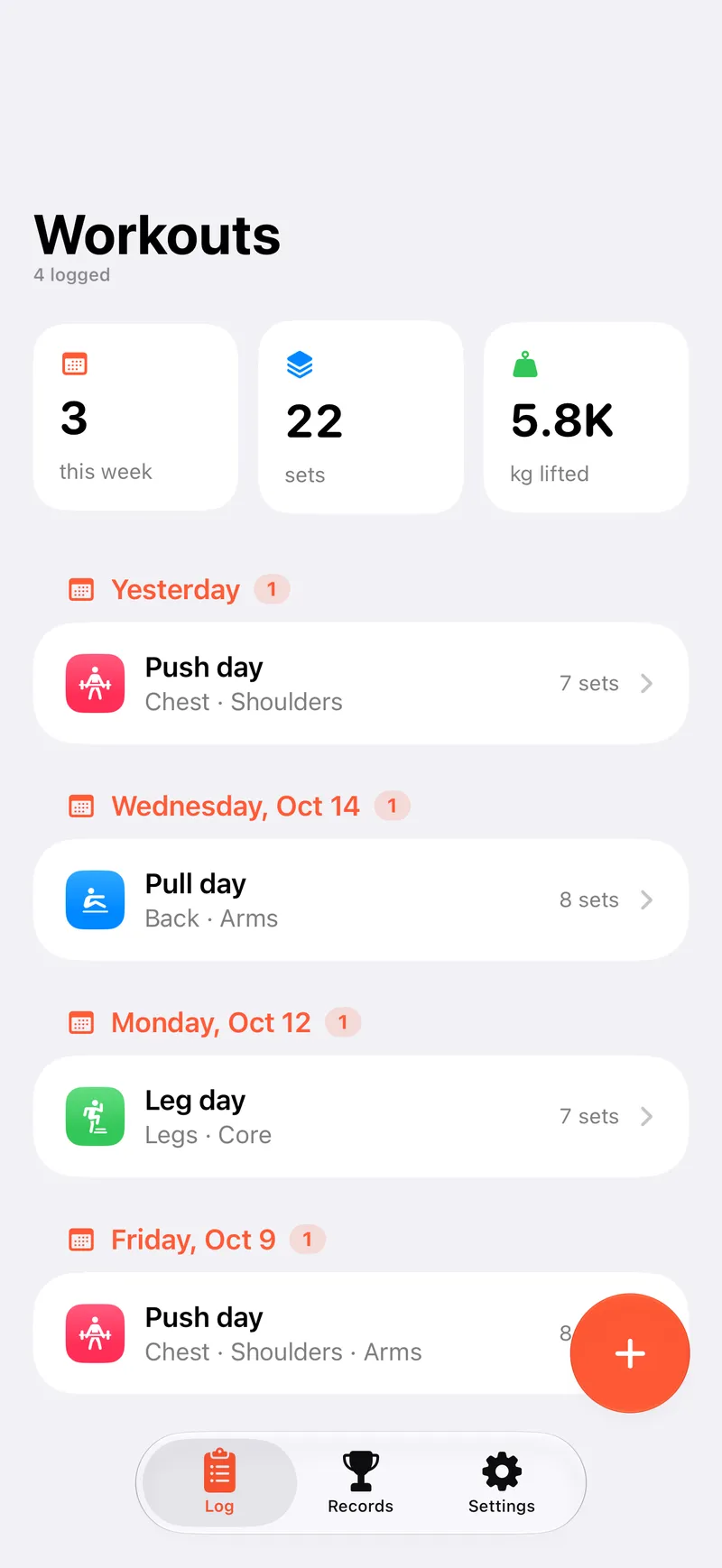
Native apps built by Borel, in the iOS Simulator.
Vue
What is a Vue app made of?
Vue is a JavaScript framework for building user interfaces. In its own introduction, it builds on standard HTML, CSS and JavaScript and gives you a declarative, component-based way to write them.
A Vue app is therefore a web page at heart: its components end up as HTML, CSS and JavaScript that a browser draws.
The iPhone question
What does Vue suggest for mobile?
Vue's docs say it is primarily designed for building web applications, and then point outward: build mobile apps with Ionic Vue, or desktop and mobile apps from one codebase with Quasar or Tauri. None of those is part of Vue itself.
Follow the Ionic route and you reach Capacitor, the runtime Ionic names for running on iOS. Capacitor's iOS page says it uses WKWebView, Apple's web view, and requires Xcode. So your components keep running as a web page inside an app. Guideline 4.2 asks such an app to be more than a repackaged website. Borel takes the other route and writes the screens in SwiftUI.
Apple's rule
Why a rebuild beats a wrapper
Apple reviews every app before it reaches the App Store, and a website in an app's frame is what its guideline 4.2 is about.
“Your app should include features, content, and UI that elevate it beyond a repackaged website. If your app is not particularly useful, unique, or “app-like,” it doesn’t belong on the App Store.”
Borel never wraps your Vue app. It writes a separate app in Swift with SwiftUI, Apple’s own language and interface framework, so the screens, scrolling and controls are the iPhone’s.
Step by step
How to turn your Vue app into an iPhone app
- 1
Deploy and copy the address
Netlify, Vercel, Cloudflare or your own server all work. Paste the full https:// address of a view that loads without logging in.
- 2
List your views
Send the prompt below with the routes in your router and what each view does. Screenshots of views behind a login can be attached, four at a time.
- 3
Views turn into SwiftUI
Borel captures the first view at iPhone and desktop widths, takes colours, fonts and copy from that photograph and your screenshots, and writes a SwiftUI screen for every view you named.
- 4
Try it in the simulator
The app runs in Apple's iOS Simulator on Borel's Mac, streamed to your browser free. Borel Companion, on Pro, installs it on your iPhone.
- 5
Ship without Xcode on your machine
With Pro and your Apple Developer membership, Borel archives, signs and uploads the app to App Store Connect from its own Mac.
Just for you? Skip step 5: personal apps need no App Store.
Your first message
A prompt to start from
Put your address where it says, fill in the brackets, and send it as your first message.
Rebuild my Vue app at <your address> as a native SwiftUI iPhone app. Views: [route: what it does]. Keep the colours, logo and copy. Put [views] in a tab bar, use email sign-in, and keep [what my store holds] in cloud tables.
Moving over
What moves over, and what is made new
Borel works from what your app shows, the screenshots you add and the words you write. It doesn't copy code or accounts out of another platform.
| In your Vue app | In the iPhone app |
|---|---|
| Look | Moves over. Colours, fonts and logo from the photograph of the first screen and the stylesheet. |
| Views | Moves over. Each view you list becomes a SwiftUI screen. |
| Copy | Moves over. Taken from the photograph of the first screen and your screenshots, plus what you paste. |
| Components and templates | Made new. Written again in SwiftUI. Single-file components don't run on iOS without a web view. |
| Store and router | Made new. State lives in Swift, and navigation is the iPhone's own stack and tabs. |
| Your API and its users | Made new. The app starts with Borel's cloud and new accounts; an API that takes a key can be added under Tools › Keys. |
| The Vue web app | Stays. Unchanged on its host. |
Frequently asked questions
No. Borel doesn't import JavaScript projects or repositories. It photographs the deployed app, takes your screenshots and description, and writes a new project in Swift.
It reuses your code, which is a real advantage. The trade-off is that the app is your web page in WKWebView, and you build it with Xcode yourself. Borel gives you native SwiftUI screens and does the building on its own Mac.
If it has an API that takes a key in a header or the address, yes. After the first build, save the key under Tools › Keys and ask Borel to fetch from it. That one key serves every user of the app; signing each person in to your backend with their own account isn't possible. Otherwise the app keeps its data in Borel's cloud database.
A little. A page that Nuxt renders on the server reaches Borel as text as well as a photograph; a page drawn only in the browser reaches it as the photograph alone.
Yes. The project is plain SwiftUI with an XcodeGen project.yml, and you can download it and open it in Xcode.
Paste your Vue app's URL
See your views as native SwiftUI screens before you set up Capacitor.