Angular to iPhone app
Turn your Angular app into a real iPhone app
Borel turns an Angular app into a native iPhone app. Paste the address where it is deployed, attach screenshots of the screens behind the login, and Borel writes the iPhone version in Swift with SwiftUI: lists, forms and detail screens in place of components and templates. You check it on a live iOS Simulator in your browser and publish it to the App Store.
Updated
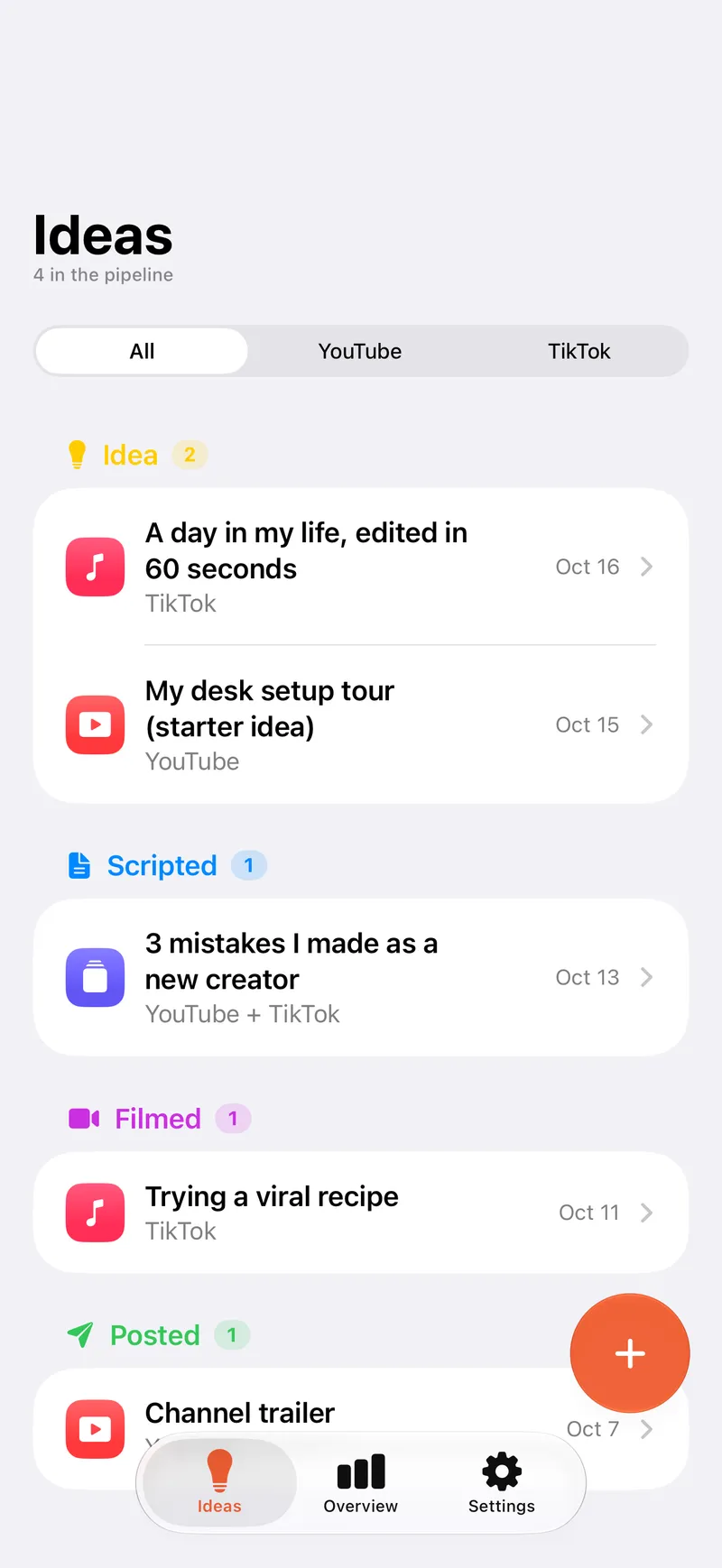
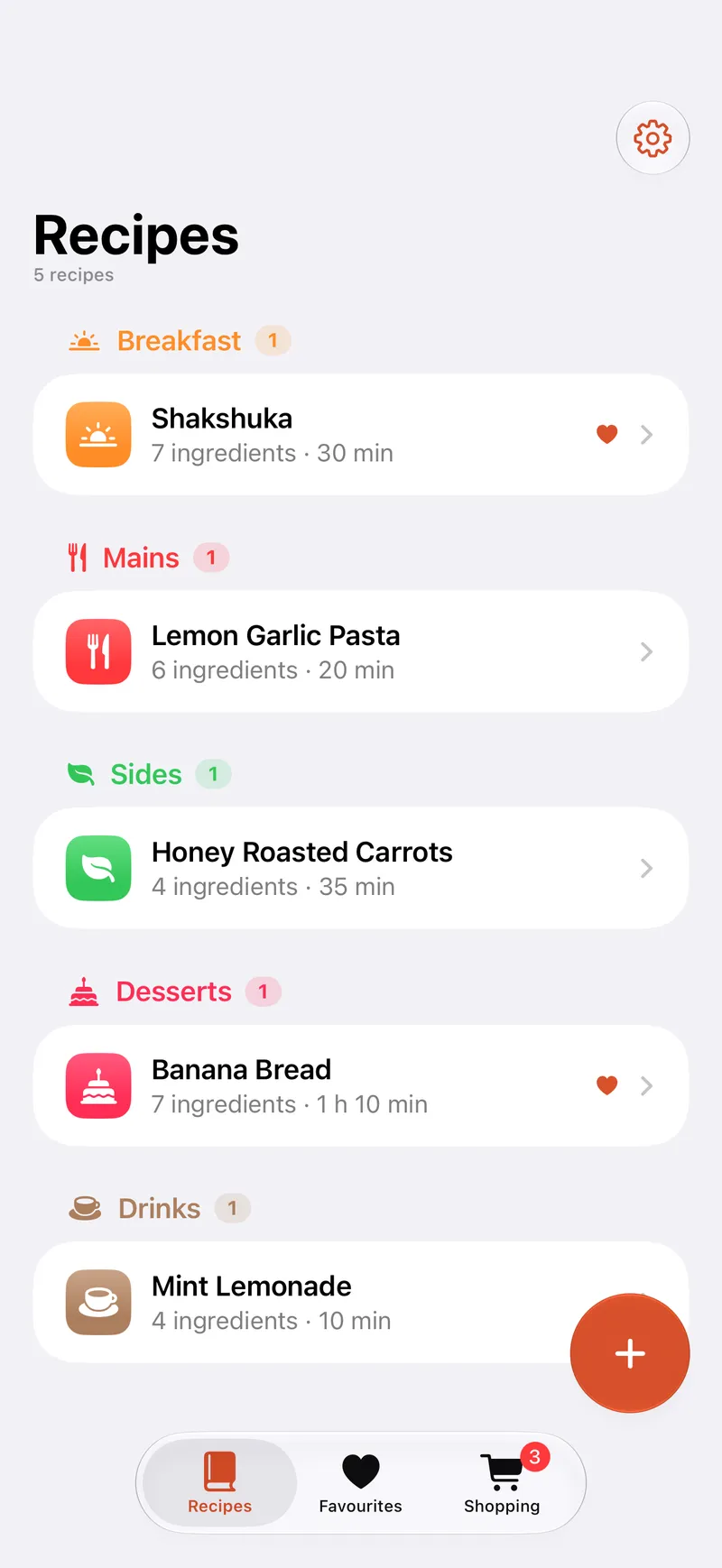
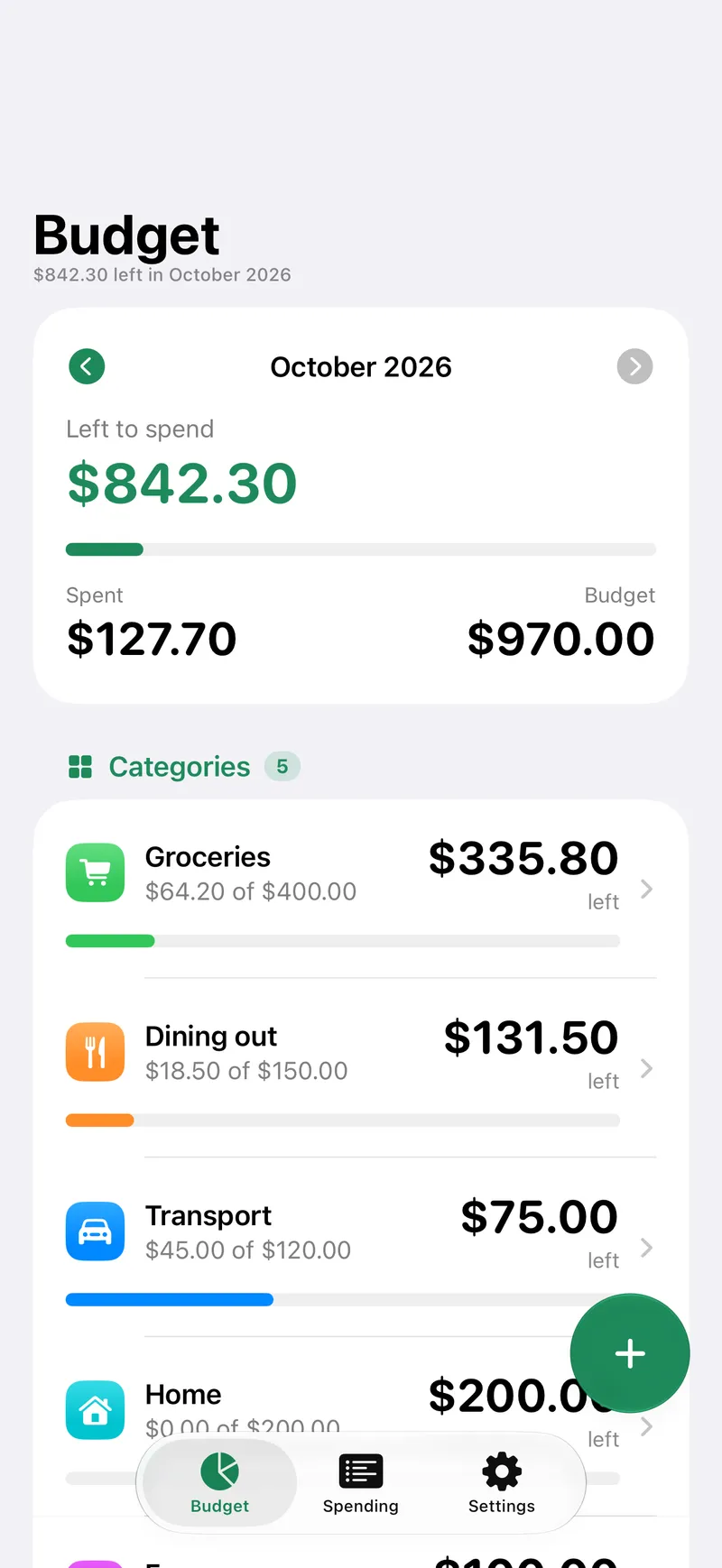
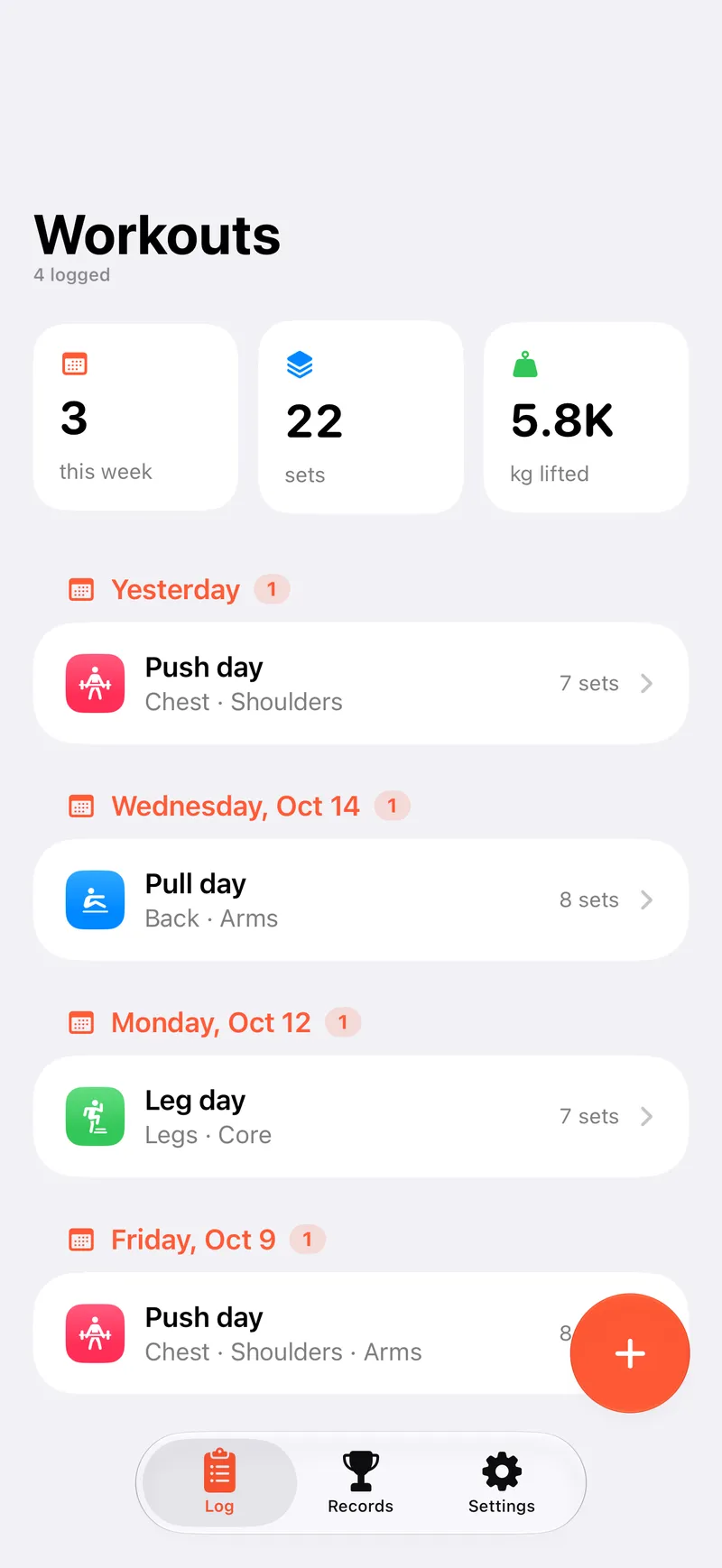
Native apps built by Borel, in the iOS Simulator.
Angular
What is an Angular app made of?
Angular describes itself as a web framework for building fast, reliable applications. An Angular app is components and templates written in TypeScript, compiled to JavaScript that a browser runs.
If yours is a dashboard, a portal or an admin tool behind a login, that matters here: Borel can only open what a signed-out visitor sees, so screenshots carry the rest.
The iPhone question
What does Angular itself offer for phones?
A progressive web app. Angular's docs describe adding a service worker, with the command ng add @angular/pwa, as one of the steps for turning an application into a PWA, and compare caching the application to installing a native one. People then add it to their home screen from Safari.
The comparison stops at the App Store. A PWA is still a web address, and Apple's store takes app builds; a web view around your app is what guideline 4.2 is about. Angular's overview calls it a web framework and describes no native iOS build, so the App Store version is a second front end. Borel writes that one in SwiftUI.
Apple's rule
Why a rebuild beats a wrapper
Apple reviews every app before it reaches the App Store, and a website in an app's frame is what its guideline 4.2 is about.
“Your app should include features, content, and UI that elevate it beyond a repackaged website. If your app is not particularly useful, unique, or “app-like,” it doesn’t belong on the App Store.”
Borel never wraps your Angular app. It writes a separate app in Swift with SwiftUI, Apple’s own language and interface framework, so the screens, scrolling and controls are the iPhone’s.
Step by step
How to turn your Angular app into an iPhone app
- 1
Copy the deployed address
Production or a staging build, with https:// at the start. If everything is behind a login, Borel's photograph shows only the sign-in screen, which is still enough for your brand.
- 2
Show the screens inside
Send the prompt below. Attach screenshots of the main modules, four per message, and name the fields in each form and the columns in each table.
- 3
Forms and tables go native
Borel takes the colours and logo from its photograph of the page it can open and the layouts from your screenshots, then writes SwiftUI forms, lists and detail screens.
- 4
Fill in a form on an iPhone
Enter real-looking data in the iOS Simulator in your browser, free. Borel Companion, on Pro, installs the build on your own iPhone.
- 5
Release it
On Pro, with Apple's Developer Program, Borel compiles and signs the app and uploads it to App Store Connect for TestFlight or review.
Just for you? Skip step 5: personal apps need no App Store.
Your first message
A prompt to start from
Put your address where it says, fill in the brackets, and send it as your first message.
Make a native iPhone app from my Angular app at <your address> (screenshots attached). Modules: [module: what it does]. Forms: [form: fields]. Tables: [table: columns]. Keep the logo and colours. People sign in with email and see only their own [records].
Moving over
What moves over, and what is made new
Borel works from what your app shows, the screenshots you add and the words you write. It doesn't copy code or accounts out of another platform.
| In your Angular app | In the iPhone app |
|---|---|
| Brand | Moves over. Logo and colours from the photograph of the first screen. |
| Modules and screens | Moves over. Rebuilt from your screenshots as SwiftUI lists, forms and detail views. |
| Field names and labels | Moves over. From the screenshots and the lists in your prompt. |
| Components, templates and TypeScript | Made new. Not imported. The iPhone app is Swift, which you can download. |
| Form validation | Made new. State the rules, such as required fields and formats, and Borel writes them in Swift. |
| Services and backend | Made new. The app uses Borel's cloud database, where a table is private per person or open to everyone, or calls your API when it takes a key (Tools › Keys). |
| The Angular web app | Stays. Still deployed for desktop users. |
Frequently asked questions
No. Nothing converts TypeScript and templates into Swift here, and Borel doesn't read a repository. It rebuilds the app from a photograph of the deployed page, your screenshots and your description.
For the screens, yes: screenshots carry them. For sign-in, the iPhone app has its own accounts with email and password in Borel's cloud; it doesn't connect to your identity provider.
When the API accepts a key in a header or the address, yes. Save the key under Tools › Keys after the first build and ask Borel to fetch from it. The key is added on Borel's server, and it is one key for the whole app, not a login per employee.
For the App Store listing and the iPhone's own navigation and controls. The PWA can stay for everyone who prefers the browser.
Whoever holds the Borel account describes the change in the chat. A developer can also download the SwiftUI project and open it in Xcode.
Paste your Angular app's URL
See your forms and tables as a native iPhone app.